


Dubai AC to Heat Health Guide 2026: Skin, Thermal Shock and Wellness
Stepping out from a chilled twenty-one-degree living room into a forty-five-degree Dubai midday feels like walking directly into a wall of damp, pressurized heat. Within ninety seconds, your capillaries dilate, sweat glands struggle against ninety percent coastal humidity, and facial moisture evaporates beneath a film of perspiration.
Living in the Emirates means negotiating these radical twenty-plus-degree microclimate shocks half a dozen times every day between offices, metro carriages, and outdoor walkways. Managing that environmental whiplash requires more than carrying a cold water bottle; it demands an intentional medical protocol targeting your epidermal barrier, vascular system, and respiratory tract.
At a glance | Details |
|---|---|
Recommended indoor temp | 24C recommended by DEWA |
Thermal gradient | Up to 24C difference |
Skin barrier actives | Ceramides, ectoin, squalane |
Daily hydration goal | 2.5 to 3.5 liters daily |
AC filter frequency | Clean every 30 to 45 days |
Sun protection standard | SPF 50+ broad spectrum |
The Physiological Shock of Twenty-Degree Temperature Swings
Moving abruptly between refrigerated indoor air and oppressive coastal heat triggers rapid autonomic reflexes known medically as thermal shock. Blood vessels in the skin rapidly dilate to dump internal body heat, precipitating temporary drops in blood pressure that cause transient lightheadedness in commuters.
Vascular Expansion and Blood Pressure Fluctuations
When you step out of a heavily chilled office into midday heat, your peripheral vascular resistance plummets within two minutes. Healthy bodies adapt smoothly, but prolonged daily shifts can trigger chronic fatigue, sluggish circulation, and recurrent tension headaches by late afternoon.
Respiratory Constriction and Humidity Rebound
Cold air delivered by industrial air conditioning chills bronchial passages and dries mucous membranes. Stepping directly into dense ambient humidity forces airways to rapidly adjust moisture saturation, often inciting sudden coughing spasms or aggravating latent asthma.
Dermatologist Skincare Routine for Compromised Skin Barriers
Air conditioning continuously pulls ambient moisture out of indoor air, dropping relative room humidity below thirty percent. When you leave that arid environment and enter humid heat, your stratum corneum swells unevenly while sweat salts break down delicate lipid bilayers, resulting in redness and rough texture.
Gentle non-foaming hydrating cleanser with physiological pH 5.5 used morning and evening
Alcohol-free hydrating essence containing glycerin and ectoin applied to damp skin
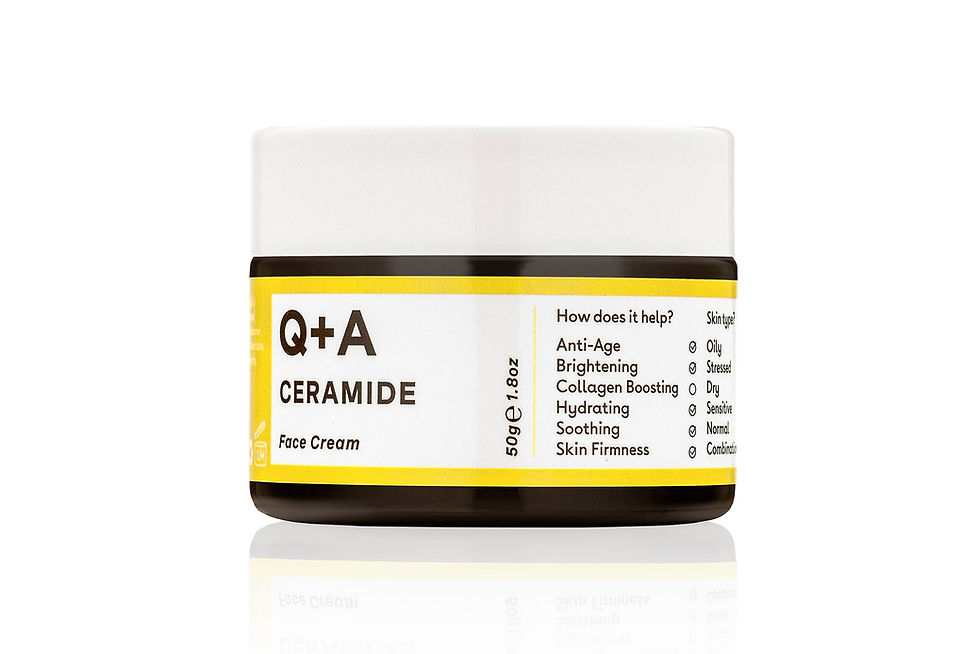
Multi-ceramide barrier repair emulsion with squalane to seal microscopic surface micro-cracks
Dry-touch water-resistant broad-spectrum sunscreen with SPF 50+ re-applied every two hours outdoors
Hypochlorous acid facial spray mist used immediately after outdoor sweating to neutralize bacterial proliferation
Layer a light ceramide serum before leaving an air-conditioned room to lock in intercellular moisture before heat exposure triggers moisture evaporation.
Indoor Air Conditioning Versus Outdoor Exposure Comparison
Managing your daily wellness requires balancing two polar opposite physical microclimates throughout your workweek. Understanding their contrasting physiological demands helps you implement targeted preventive measures.
Environment | Primary Stress | Body Defence |
|---|---|---|
Chilled Office | Arid air dehydration | Lipid barrier barrier |
Midday Outdoors | Vascular dilation heat | Electrolyte water intake |
Public Metro | Sudden draft exposure | Light cotton layer |
Parked Vehicle | Extreme radiant heat | Window pre-ventilation |
Indoor Air Quality, Coil Hygiene, and Airway Protection
Health advisories regularly issued across the Emirates News Agency highlight the unseen respiratory hazards of neglected ventilation systems. Chilled cooling coils accumulate condensation that quickly breeds mold spores and harboring dust mites if maintenance schedules are ignored. Airway inflammation from recirculated particles often mimics seasonal head colds, producing dry morning throat tickles and chronic sinus pressure.
AC Duct Maintenance and Coil Sanitization
Residential AC units require filter washing every thirty to forty-five days throughout summer and a comprehensive duct disinfection once annually. Using certified deep-cleaning services prevents aerosolized microbial colonies from circulating through bedrooms while you sleep.
Desk Humidifiers and Airway Hydration
Running a compact ultrasonic cold-mist humidifier on your workstation counter maintains local relative humidity at forty to fifty percent. This prevents nasal mucosal drying without elevating the overall ambient temperature of your working space.
Optimising Home Thermostats and Staged Temperature Transitions
Slashing your thermostat down to nineteen degrees might feel refreshing for ten minutes, but it strains your autonomic regulation and skyrockets your monthly utility billing. Energy conservation guidelines published by DEWA recommend setting indoor thermostats to twenty-four degrees Celsius to safeguard health and energy efficiency. Transitioning between environments in stages, such as pausing in building lobbies for sixty seconds, allows internal vascular tone to normalize gradually.
Setting your home air conditioning to twenty-four degrees reduces the thermal shock gradient by five full degrees and preserves natural skin moisture levels.
Daily Transit Protocols for Commuters and Drivers
Stepping straight into a parked vehicle baked by the midday sun exposes drivers to cabin temperatures exceeding sixty degrees Celsius. Public safety campaigns organized by Dubai Police consistently remind motorists never to blast maximum air conditioning immediately upon entering an overheated car. Roll down side windows for the first two minutes of movement to flush superheated air out before turning on internal climate compressors.
Remote-start vehicle climate control three minutes before departure if equipped with manufacturer mobile connectivity.
Open opposite side windows immediately upon entering to allow trapped convective heat to escape rapidly.
Drive sixty seconds with fresh air vents open before activating internal cabin air recirculation mode.
Angle dashboard directional AC vents toward your chest and shoulders rather than directly at facial skin.
Check multi-modal route updates on RTA Dubai channels to avoid prolonged outdoor transit platform waits.
Review municipal community wellbeing notices on the UAE Government Portal for real-time air quality advisories.
FAQ
Why does my skin break out during Dubai summer despite air conditioning?
Constant transitions force sweat and sebum to mix with surface bacteria under high humidity, while indoor dry air depletes skin lipids. This dual stress triggers reactionary overproduction of oil that clogs pores.
What is the best way to prevent AC sickness in Dubai offices?
Keep a light linen or cotton cardigan at your desk to shield your neck and shoulders from direct cold drafts. Drink warm herbal infusions and ensure desk air vents are angled away from your face.
Do electrolyte drinks really help against AC-induced dehydration?
Yes, dry air-conditioned air increases insensible perspiration while outdoor heat induces heavy sweating. Adding sodium, potassium, and magnesium to your water ensures cellular fluid absorption rather than rapid renal clearance.
How often should apartment AC filters be cleaned in Dubai?
Wash primary mesh filters every thirty days between May and October. Have an accredited HVAC maintenance company perform full evaporator coil and blower wheel chemical cleaning at least once a year.
Useful Links
Emirates News Agency — read official summer health advisories
DEWA — verify recommended home cooling settings
Dubai Police — check vehicle summer safety advisories
RTA Dubai — plan air conditioned transit routes
UAE Government Portal — consult national public health standards
Dubai Health Authority — access seasonal clinical healthcare guidelines
Pair It With

— Angel Tyagi, Creator of Angel In Dubai
Prices, timings and availability may change — always check directly with the venue before visiting. Not sponsored.
Story lead: khaleejtimes.com. Reporting can be updated or withdrawn after publication — always check the original before relying on anything here.
Photo by Facial Mist: A Simple DIY Hydrating Facial Mist to Moisturize Your Face via web, Photo by Ceramide Barrier Defence Face Cream | Q+A Skincare via web


Comments