


UAE Private Wealth Boom 2026: Boston Consulting Group Report, Hubs, and Assets
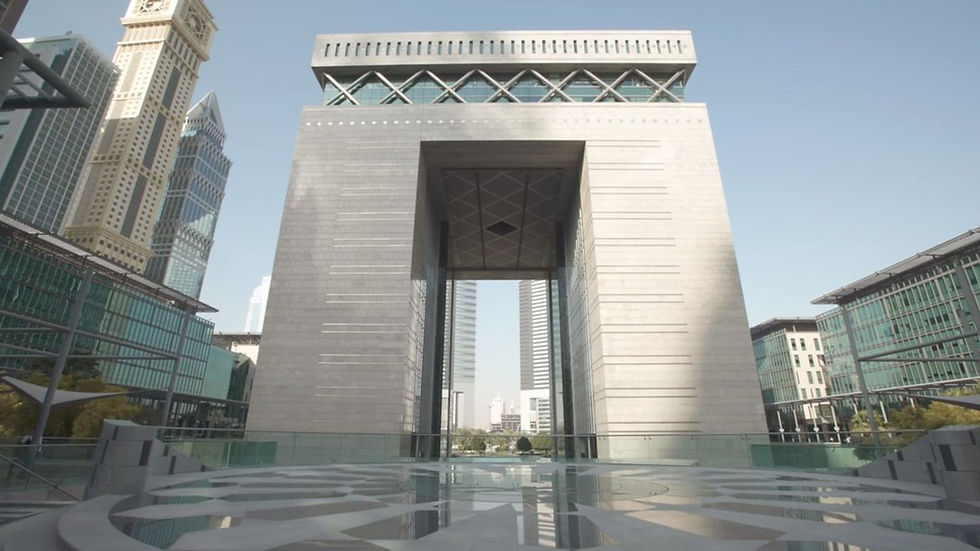
Sitting across from a private banker on the terrace of the DIFC Gate Precinct as the morning markets opened, the discussion centered on a single startling figure from the latest advisory brief. The UAE has crossed 3.6 trillion dollars in total net financial wealth as of October 2026, pulling in unprecedented capital allocations from Europe, Asia, and the wider Middle East.
Boston Consulting Group released its milestone private wealth study outlining this acceleration, mapping how the Emirates is on track to approach 5.8 trillion dollars by 2030. Having tracked capital flows across Dubai and Abu Dhabi for years, I analyzed the data to see where ultra-high-net-worth families are actively parking liquidity, how family offices structure holdings, and what this wealth influx means for local financial markets.
At a glance | Details |
|---|---|
Current wealth | $3.6 trillion as of October 2026 |
2030 projection | $5.8 trillion via BCG analysis |
Primary hubs | DIFC Dubai and ADGM Abu Dhabi |
Annual growth | 9.2% compound annual rate |
Key driver | Inflow of high-net-worth families |
Key Findings from the October 2026 BCG UAE Wealth Report

According to the milestone study by Boston Consulting Group released in October 2026 the UAE financial base has expanded at rapid rates. Net financial wealth held within the Emirates reached an estimated 3.6 trillion dollars as of October 2026, advancing at a compound annual expansion rate of 9.2 percent. Please note that this analysis is compiled for informational review and this is not financial advice.
This capital accumulation outpaces traditional offshore jurisdictions across Western Europe and the Caribbean. Millionaire migration into Dubai and Abu Dhabi accelerated as global entrepreneurs sought fiscal predictability, modern digital infrastructure, and comprehensive legal security under established common law free zone frameworks.
Compound Annual Expansion Trajectory
The research firm forecasts UAE financial wealth expanding to 5.8 trillion dollars by 2030 as of October 2026 projections. Growth figures remain indicative — verify with the bank/developer, and past trajectory never guarantees future capital preservation.
Cross-Border Wealth Migration Drivers
High-net-worth families from the United Kingdom, Switzerland, India, and Southeast Asia account for the largest proportion of cross-border asset relocations into UAE bank accounts as of October 2026.
The pivot from transient wealth parking to permanent family office residency represents the structural shift in the UAE financial landscape.
Where Incoming Millionaires Are Allocating Capital
Capital allocation patterns among incoming wealth creators reveal a balanced distribution across liquid instruments and tangible assets. Rather than keeping holdings in uninvested cash, family balance sheets have pivoted toward structured fixed-income credit, listed equities, and high-yielding residential real estate as of October 2026. All cited allocation proportions are indicative — verify with the bank/developer before committing funds.
Local sovereign issuances and corporate sukuk have absorbed substantial private capital as investors look for yields denominated in US dollars or UAE dirhams. Private equity participation in homegrown regional technology ventures and logistics infrastructure has similarly increased.
Asset Class | Allocation Share | Reported Driver |
|---|---|---|
Public Equities | 28% of wealth | Local stock exchange privatizations |
Real Estate | 24% of wealth | Prime luxury rental portfolios |
Cash & Deposits | 22% of wealth | Attractive fixed deposit yields |
Private Markets | 16% of wealth | Direct venture and infrastructure |
DIFC versus ADGM as Premier Wealth Hubs
Specialized wealth management regimes in Dubai International Financial Centre offer tailored legal foundations and family office licensing pathways. Capital structuring frameworks inside the Abu Dhabi Global Market provide direct proximity to sovereign wealth entities and international institutional funds. Both jurisdictions operate independent courts based on English common law, assuring international fiduciaries that contracts and trust deeds remain legally enforceable.
Choosing between the two commercial centers depends largely on family operational focus. Dubai provides an established ecosystem of international private banks, art advisory desks, and luxury living amenities, while Abu Dhabi offers seamless integration with institutional asset managers and direct government co-investment funds.
Financial Centre | Legal Framework | Ecosystem Focus |
|---|---|---|
DIFC Dubai | DIFC Courts Law | Private banking and family offices |
ADGM Abu Dhabi | English Common Law | Sovereign co-investment and asset management |
DWTC Authority | Free Zone Codes | Boutique single family trusts |
Single family offices increasingly pair DIFC corporate structuring with local real estate holdings to establish permanent multi-generational foundations.
Regulatory Anchors and Tax Framework Supporting Wealth Inflows
Monetary policy moves in lockstep with the US Federal Reserve due to the dirham peg maintained by the Central Bank of the UAE across retail institutions. Regulatory oversight conducted by the Securities & Commodities Authority guarantees institutional fund compliance and investor asset protection across capital markets. Official tax schedules published by the Federal Tax Authority detail the corporate rate of nine percent while preserving individual personal exemptions.
This statutory stability ensures family principals face no sudden wealth taxes, capital gains duties, or worldwide income taxes on private portfolios. Combined with bilateral investment protection treaties, the Emirates presents a transparent regulatory perimeter for multi-generational wealth preservation as of October 2026.
Zero percent personal income tax regime remains firmly protected across all federal jurisdictions as of October 2026.
Corporate tax standard rate of nine percent applies only to business profits above AED 375,000 with qualifying exemptions.
Comprehensive bilateral double taxation avoidance treaties now number over one hundred and forty active partner nations.
Long-term Golden Visa residency pathways offer ten-year stability for qualifying real estate and fund investors.
How Ultra-Wealthy Families Establish Family Offices in the UAE
Setting up a private wealth vehicle requires navigating regulatory filings, legal structuring, and commercial bank onboarding. Advisors recommend establishing the core family constitution and governance rules prior to submitting entity applications to free zone registries.
The entire formation process takes between four and eight weeks depending on the complexity of underlying international holding companies. Professional legal counsel is essential to ensure cross-border compliance with foreign reporting standards.
Select between a single family office or multi-family structure based on advisory overhead and asset scale.
Choose your legal seat between DIFC, ADGM, or mainland structures under appropriate common law framework.
Draft constitutional foundation documents covering asset succession, governance boards, and fiduciary roles.
Complete mandatory anti-money laundering compliance verifications and beneficial ownership registries.
Open institutional banking and custody accounts with licensed UAE financial entities or international custodian branches.
Building your family charter early resolves multi-jurisdictional inheritance dilemmas before moving high-value global assets into regional escrow.
Market Risks and Portfolio Considerations for 2026
While private wealth inflows into the Emirates continue to set records, fiduciaries must remain mindful of global macro risks and cyclical real estate valuations. Market returns are never guaranteed, and past performance provides no assurance of future returns. Any yield figures or historical asset performance mentioned remain purely indicative — verify with the bank/developer.
Foreign exchange rate shifts in home currencies, evolving global anti-tax avoidance standards, and regional geopolitical developments require active hedging. Maintaining diversified multi-currency allocations and robust emergency liquidity pools protects wealth against unexpected macroeconomic shocks.
Monetary policy moves in lockstep with the US Federal Reserve due to the dirham peg maintained by the Central Bank of the UAE.
Common Reporting Standard protocols mean full tax transparency remains active between UAE authorities and international home countries.
Asset valuation cycles in luxury real estate require disciplined liquidity reserves rather than over-leveraged borrowing.
Yield figures quoted by developers remain strictly indicative and subject to prevailing market conditions and operating fees.
FAQ
How much private wealth is currently held in the UAE?
According to the Boston Consulting Group report released in October 2026, the UAE holds approximately 3.6 trillion dollars in net financial wealth as of October 2026. The study projects this total will reach 5.8 trillion dollars by 2030, driven by an annual growth rate exceeding nine percent and continuous millionaire relocation.
Why are high-net-worth individuals moving wealth to Dubai in 2026?
Investors are attracted by the zero percent personal income tax environment, progressive 10-year Golden Visa regulations, modern English common law legal structures in financial free zones, and robust security. Furthermore, extensive commercial flight connectivity and strategic neutrality position the UAE as an ideal operational bridge between European, Asian, and African markets.
What is the minimum asset requirement to set up a family office in DIFC?
While DIFC eliminated strict statutory liquid asset minimums for single family offices to improve accessibility, advisory firms generally recommend a minimum net worth of 50 million dollars to justify administrative, compliance, and legal overheads. Establishing a foundation or holding company can be accomplished with lower initial capitalization depending on licensing tier.
Is investment income in the UAE subject to corporate tax?
Personal investment income, capital gains from shares, dividends, and individual real estate earnings for natural persons remain exempt from UAE corporate tax under Federal Tax Authority regulations as of October 2026. Corporate tax of nine percent only applies when personal investment activities qualify as a licensed commercial business.
Useful Links
Boston Consulting Group — global wealth management industry report analysis
Central Bank of the UAE — banking monetary stability and currency regulations
Securities & Commodities Authority — licensed investment managers and funds registry
Federal Tax Authority — official corporate tax rates and guidance
Dubai International Financial Centre — family office regulations and court framework
Abu Dhabi Global Market — common law financial free zone regulations
Pair It With

— Angel Tyagi, Creator of Angel In Dubai
Prices, timings and availability may change — always check directly with the venue before visiting. Not sponsored.
Story lead: Zawya. Reporting can be updated or withdrawn after publication — always check the original before relying on anything here.
Rates and figures are indicative and were correct as of 16 October 2026; they change often, so verify with the provider before acting. This is general information, not financial advice.
Rules, fees and deadlines change often. This is a general summary, not legal advice — confirm with the relevant UAE authority before acting.
Photo by Iwona Castiello d'Antonio via unsplash, Photo by Damian Kamp via unsplash


Comments