


Best Credit Card Reward Points and Air Miles Programs in UAE 2026: Earning Rates and Expat Guide
Walking into my neighborhood supermarket in Downtown Dubai last week, I tapped my rewards card for our family grocery haul and watched 420 reward points register instantly on the payment terminal screen. In a retail market where consumer loyalty programs represent an estimated 5.6 billion dollar ecosystem across the region as of October 2026, failing to optimize card points means leaving hundreds of dirhams on the counter every month.
Between international airline partnerships, supermarket partnerships, and flexible bank currencies, navigating the loyalty space requires looking past marketing banner claims to inspect baseline earn rates and transfer ratios. This guide analyzes current earning rates, redemption sweet spots, and realistic expat value across major UAE banking platforms. Please note this post represents editorial analysis and is not financial advice; figures quoted are indicative and subject to individual bank terms as of October 2026.
At a glance | Details |
|---|---|
Top cashback rate | Up to 8% as of October 2026 |
Skywards earning | Up to 2.5 miles per USD as of October 2026 |
Salary requirement | From AED 5000 monthly as of October 2026 |
Annual card fees | AED 0 to AED 1575 as of October 2026 |
Ranking criteria | Earning rates, redemption versatility, fees |
How UAE Credit Card Loyalty Programs Work in 2026

Consumer loyalty across the United Arab Emirates operates through three distinct mechanisms: proprietary bank points, co-branded airline miles, and merchant cashback platforms. According to regulatory standards from the Central Bank of the UAE as of October 2026, retail credit products must maintain clear fee schedules and transparent interest rate disclosures. Proprietary points such as ADCB TouchPoints or Emirates NBD Plus Points provide broad flexibility across utility bill payments, retail vouchers, and hotel transfers, whereas co-branded cards bind your spending rewards directly to frequent flyer currencies.
The core editorial ranking criteria used throughout this guide assesses each card on four pillars: effective earn rate per dirham spent, redemption value floor, annual maintenance fee, and the realistic spend thresholds needed to offset carrying costs. A card charging an annual fee of AED 1050 must yield at least AED 1800 in verifiable net redemption value through regular lifestyle expenditure to justify its place in your wallet.
Proprietary Bank Currencies Versus Co-Branded Airline Schemes
Proprietary bank currencies give you flexibility when airline seat availability dries up. If you hold general reward points, you can liquidate them against school tuition fees, utility settlements, or car rentals. Co-branded airline cards offer higher nominal multiples on flight tickets but lock you into single carrier award charts subject to dynamic seat pricing.
Valuation Floors per Reward Point
As of October 2026, realistic redemption values average between 0.5 fils and 1.2 fils per standard bank point, while air miles can achieve valuations between 3 fils and 6 fils when redeemed for long-haul business class upgrades. Cash redemptions typically offer the lowest baseline yield.
Always calculate your net return after subtracting the card annual fee from your realistic annual redemption value rather than chasing headline welcome bonuses.
Air Miles Cards: Emirates Skywards Versus Etihad Guest
Airline loyalty cards remain the most popular product category for expatriates balancing frequent home visits with regional leisure trips. Travelers booking through the official portal of Emirates Skywards as of October 2026 can redeem miles for reward flights starting from 15000 miles. Frequent flyers managing accounts through the Etihad Guest loyalty platform as of October 2026 can convert bank loyalty points directly into flight seats.
Co-branded cards issued by Emirates NBD, Emirates Islamic, ADCB, and FAB present tiered earn rates depending on whether transactions occur domestically or internationally. Earning rates range from 1 to 2.5 miles per US dollar spent, equivalent to roughly 0.27 to 0.68 miles per dirham on foreign currency transactions as of October 2026. However, cards that levy foreign currency transaction fees of up to 3.14 percent will erode the monetary value of those accumulated miles unless international spend is substantial.
Emirates Skywards cards provide tier miles on purchases to help maintain Silver or Gold status.
Etihad Guest cards offer strong redemption yields on partner carriers across the SkyTeam network.
Foreign transaction markups can reach 3.14 percent, offsetting marginal points accumulation on overseas trips.
Points transfer times between bank reward portals and airline accounts generally require two to four business days.
Seat upgrade redemptions on flights between Dubai and London or Mumbai consistently provide triple the cash equivalent value of retail shopping voucher redemptions.
Supermarket and Utility Cashback Versus Reward Points
For residents whose monthly spending concentrates on school fees, DEWA utility payments, Salik recharges, and weekly supermarket visits, dedicated cashback cards often outperform points schemes. Certain cards offer up to 8 percent cashback on supermarket groceries and automotive fuel as of October 2026, subject to monthly spend caps ranging between AED 200 and AED 400 per category.
Points cards often apply restrictive category spend caps on utilities and government payments, reducing earn rates by up to 80 percent compared to regular retail purchases. Reviewing category exclusions in the card schedule ensures your routine household payments generate tangible value.
Category Caps on Household Expenses
Banks frequently restrict top-tier cashback to specific maximums. For example, an 8 percent headline grocery rate may cap your monthly benefit at AED 300, meaning any grocery expenditure exceeding AED 3750 in a single calendar month yields zero additional cashback.
Direct Statement Credit Mechanics
Unlike air miles that require manual transfers and award seat searches, cashback reflects directly on your monthly billing statement. This guarantees an immediate yield without point expiry deadlines or conversion friction.
Comparing Top Rewards Cards for Expats in 2026
Selecting the right rewards card involves balancing upfront membership fees against routine domestic spending habits. The comparative overview below summarizes key credit card options available in the UAE retail market. All earning metrics, minimum spend thresholds, and annual membership costs reflect official bank schedules as of October 2026 and are indicative. Cardholders must verify current fee schedules directly with each financial institution prior to submission. Ranking picks reflect editorial opinion based on earn rates, fee-to-benefit balance, and redemption versatility.
Card Name | Top Earn Rate | Best Feature |
|---|---|---|
Emirates NBD Duo | 5% reward points | Zero annual fee |
ADCB TouchPoints | 1.5 points per dirham | Utility bill redemption |
Citi Premier Card | 2 miles per dollar | Flexible airline partners |
CBD Super Saver | 8% cash rebate | Fuel and groceries |
FAB Travel Card | 3 travel miles | Comprehensive airport lounge |
Step-by-Step Strategy to Maximize Points and Avoid Fees
Maximizing points accumulation requires structured card discipline rather than using a single card for every checkout. Applying a multi-card strategy allows you to capture top-tier multipliers on distinct spending buckets while maintaining low overall annual carrying fees.
Audit your last 90 days of household expenses into groceries, utilities, travel, and online dining.
Select one dedicated cashback card for groceries and utilities and one flexible points card for travel.
Verify the minimum monthly spend requirement to activate promotional category earning tiers.
Transfer bank points to airline frequent flyer accounts only when ready to book specific award flight seats.
Setting up automated direct debit settlements for the full statement balance is the single most important habit to prevent finance charges from devouring your points.
Regulatory Safeguards and Red Flag Traps to Avoid
Credit card management in the UAE requires careful attention to billing cycles, payment allocations, and statutory costs. Standard billing statements subject to value added tax rules from the Federal Tax Authority apply a five percent charge to annual banking fees as of October 2026. In addition, carrying a revolving balance incurs finance charges between 2.5 percent and 3.45 percent monthly, which eliminates the monetary value of any accrued loyalty points within a single billing period.
Expats establishing local residency via the UAE Government Portal must provide valid Emirates ID cards and salary certificates when applying for credit facilities as of October 2026. Finally, security vigilance remains paramount when transacting online. Cardholders who identify suspicious unauthorized transactions can alert the e-crime unit at Dubai Police through their dedicated digital portal as of October 2026. This post is for informational purposes only and does not constitute financial advice.
FAQ
Do credit card reward points expire in the UAE?
Yes, most UAE bank reward points expire between 24 and 36 months from the date they are earned, depending on individual bank terms. However, some premium co-branded cards maintain non-expiring points as long as your account remains active and in good standing.
What minimum salary is required for premium air miles cards in Dubai?
Entry-level rewards cards require a minimum monthly salary of AED 5000 as of October 2026, while mid-tier air miles cards typically require AED 12000 to AED 15000. Premium metal cards with high lounge and travel tier allocations usually mandate a salary of AED 25000 to AED 30000 monthly.
Is cashback better than airline miles for UAE expats?
Cashback delivers higher guaranteed value for residents spending primarily on domestic household expenses like utilities and groceries. Air miles deliver superior value only if you regularly redeem for international business class tickets or long-haul family vacation flights.
Can I transfer UAE credit card points to international hotel loyalty programs?
Yes, cards issued by Citi, HSBC, and American Express in the UAE allow points transfers directly to hotel partners including Marriott Bonvoy, Hilton Honors, and IHG One Rewards. Transfer ratios vary between programs, so check the partner conversion matrix before submitting a transfer request.
Useful Links
Central Bank of the UAE — regulatory lending standards and consumer protections
Emirates Skywards — flight redemption tiers and tier points
Etihad Guest — air miles conversion rates and partner seats
Federal Tax Authority — tax treatment on annual card fees
UAE Government Portal — official residency requirements and documentation guidelines
Dubai Police — financial fraud reporting and consumer security
Pair It With

— Angel Tyagi, Creator of Angel In Dubai
Prices, timings and availability may change — always check directly with the venue before visiting. Not sponsored.
Story lead: Zawya. Reporting can be updated or withdrawn after publication — always check the original before relying on anything here.
Rates and figures are indicative and were correct as of 2 October 2026; they change often, so verify with the provider before acting. This is general information, not financial advice.
These are Angel's own editorial picks based on the criteria described above — not a paid placement, and not an independent survey.
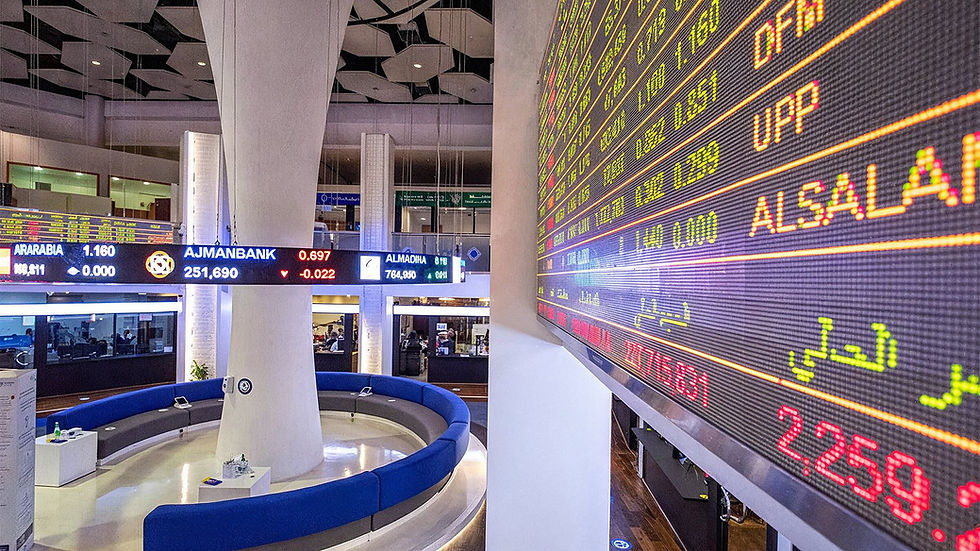
Photo by Emirates NBD launches Visa credit card for high-net-worth clientele ... via web, Photo by Delta, Amex Launch Another Round of Airline-Metal Credit Cards via web


Comments