


Cheap Free Zone License Sharjah 2026: Shams vs SAIF Zone Cost & Setup Guide
I spent yesterday morning at a cafe overlooking University City in Sharjah, comparing incorporation fee schedules with an e-commerce founder who was migrating her operations out of downtown Dubai. After facing steep office renewal demands and escalating desk fees in Dubai, she wanted to see whether setting up across the emirate border could genuinely cut her overhead in half without damaging her commercial credibility.
The short answer is yes, but only if you choose the specific free zone that matches your operational model. Between Sharjah Media City, known as Shams, and Sharjah Airport International Free Zone, or SAIF Zone, the licensing costs, visa quotas, physical space requirements, and banking onboarding paths differ substantially.
At a glance | Details |
|---|---|
Shams Zero Visa | AED 5,750 annually (as of October 2026) |
SAIF Zone Package | AED 10,800 onwards (as of October 2026) |
Visa Cost Range | AED 3,750 to 5,200 per person |
License Issue Time | 24 to 48 hours online |
Corporate Tax Base | 0% qualifying or 9% standard rate |
Why Entrepreneurs Are Choosing Sharjah Free Zones in 2026

For boutique consultancies, creative agencies, and digital solopreneurs, operating overhead in the northern emirates has become a compelling alternative to Dubai mainland and premium Dubai free zones. As of October 2026, baseline incorporation in Dubai often starts between AED 12,500 and AED 22,000 before factoring in lease commitments, whereas Sharjah provides legitimate legal entities with international trade capability starting well under AED 6,000 according to published tariff sheets from the UAE Government Portal. All figures mentioned throughout this guide are indicative and subject to change, so verify with the respective free zone authority before committing capital. Furthermore, this is not financial advice.
The financial incentive extends beyond the upfront incorporation receipt. Sharjah jurisdictions offer bundled company packages that waive physical lease mandates, streamline immigration cards, and allow multiple business activities under a single license. Founders operating across e-commerce, digital media, management consulting, and cross-border trade can retain full foreign ownership while maintaining official registration in the United Arab Emirates.
One hundred percent foreign ownership without requiring a local national sponsor
Zero customs duties on re-exported goods and imported operational equipment
Exemption from mandatory commercial office leasing under zero-visa freelance tiers
Streamlined portal applications completed entirely through digital document uploads
Cutting your initial licensing bill in half frees up working capital for paid customer acquisition and tech stack subscriptions during your crucial first ninety days.
Shams vs SAIF Zone: Fee Comparison and License Structures
Choosing between Sharjah Media City and Sharjah Airport International Free Zone depends primarily on whether your venture deals in digital deliverables or physical inventory. Shams operates as a forward-leaning digital media hub tailored for consultants, content creators, marketing strategists, and drop-shippers, offering non-visa commercial packages starting at AED 5,750 as of October 2026 according to the official portal of Shams. When you require one residence visa allocation, the Shams package rises to approximately AED 9,450, with all charges indicative and requiring direct verification with the authority.
In contrast, SAIF Zone serves as an industrial and air-cargo logistics powerhouse adjacent to Sharjah International Airport. According to official fee guidelines from SAIF Zone, basic office and general trading packages start at AED 10,800 as of October 2026, climbing to AED 13,500 for setups requiring shared desk space and import-export facility clearance. While Shams is unmatched for lean digital businesses, SAIF Zone provides on-site bonded warehousing, direct customs clearance, and industrial trade permits that pure service authorities cannot issue.
Feature | Shams Hub | SAIF Zone |
|---|---|---|
Starting Fee | AED 5,750 zero visa | AED 10,800 base package |
Visa Quota | Up to six visas | Up to three visas |
Core Focus | Media and digital services | Trading and freight handling |
Office Rule | Optional flexi-desk facility | Dedicated workspace required |
Annual Audit | Waived for small entities | Mandatory filing required |
Residence Visas, Medical Typing, and Establishment Cards
Once your trade license is issued, securing residency visas for yourself and your executive team requires navigating immigration clearance through the Sharjah Federal Authority for Identity, Citizenship, Customs and Port Security. To begin issuing employment or investor visas, your company must first register an establishment card, which costs approximately AED 1,400 to AED 2,200 as of October 2026 depending on the jurisdiction and urgent processing requests. Each investor residence visa entails an additional outlay of roughly AED 3,750 to AED 5,200, encompassing entry permits, medical fitness tests, and Emirates ID biometric processing.
The residency process in Sharjah is notably efficient when conducted through the free zone service centers. Most founders complete their VIP medical screening and biometrics within forty-eight hours of entering the country on an entry permit, receiving their electronic residency approval shortly thereafter. Remember that visa renewal fees recurring every two years represent an ongoing operational liability that must be modeled into your long-term cash flow projections.
Valid passport copies with at least six months remaining validity
High-resolution digital passport photographs against a pure white background
Electronic entry permit printout or stamped tourist visa page
Sharjah free zone trade license copy and certificate of incorporation
Attested university degree certificates for specific managerial or technical titles
Never omit establishment card renewals from your second-year budget; letting that card lapse freezes your entire corporate visa portal.
Navigating UAE 0% Corporate Tax and Free Zone Compliance

Understanding your fiscal obligations under the federal corporate tax regime is vital before choosing a free zone setup. According to statutory guidelines from the Federal Tax Authority, businesses operating in the UAE are subject to a standard nine percent corporate tax rate on taxable profits exceeding AED 375,000 as of October 2026. However, free zone entities can legally benefit from a zero percent rate if they meet strict qualifying criteria or elect for small business relief.
Compliance is non-negotiable regardless of your profit margins. Every corporate entity registered in Sharjah must register for corporate tax, maintain sound bookkeeping records, and file an annual tax return with the authorities. Failure to register or submit returns carries statutory administrative fines that erase the initial cost savings of a low-cost license.
Qualifying Free Zone Person Standards
To maintain a zero percent corporate tax liability on qualifying income, your Sharjah company must maintain adequate economic substance within the UAE, earn income from transactions with other free zone persons or designated qualifying activities, and avoid electing into the standard regime. For service-based solopreneurs dealing directly with mainland consumers, qualifying status is generally unavailable, meaning standard rates apply once your net profit surpasses the statutory threshold.
Small Business Relief Election
Eligible small businesses with gross annual revenues below AED 3,000,000 can elect for small business relief under federal tax regulations as of October 2026. This relief treats the entity as having no taxable income during the tax period, substantially reducing tax administration burdens for early-stage Sharjah startups while preserving strict requirements for transparent financial record keeping.
Opening a UAE Corporate Bank Account from a Sharjah Free Zone
The most significant friction point for founders who incorporate in lower-cost northern emirates free zones is securing a corporate bank account. UAE commercial banks operate under strict anti-money laundering and know-your-customer regulations mandated by the Central Bank of the UAE. Traditional brick-and-mortar lenders frequently impose minimum average monthly balance requirements ranging from AED 25,000 to AED 100,000 as of October 2026, often subjecting low-cost free zone licenses with virtual desk arrangements to enhanced scrutiny.
Entrepreneurs who succeed during bank onboarding present coherent business plans, verified residential lease agreements, signed client contracts, and three to six months of personal bank statements demonstrating legitimate source of wealth. Partnering with modern digital business banking platforms has dramatically lowered barriers for new entrants, providing IBANs and multi-currency facilities within days rather than months.
Digital Neo-Banking Solutions
Platforms like Wio Business, Mashreq NeoBiz, and Ruya have transformed business banking for Sharjah startups as of October 2026. These licensed institutions offer zero-balance or low-fee plans starting at approximately AED 99 per month, allowing digital business founders to obtain an operational corporate IBAN without depositing tens of thousands of dirhams in frozen collateral.
Traditional Tier-One Bank Applications
When your enterprise requires trade financing, letter of credit facilities, or physical branch relationship managers, applying to tier-one institutions such as Emirates NBD, First Abu Dhabi Bank, or Dubai Islamic Bank remains essential. Expect a four to eight week underwriting window, rigorous in-person compliance interviews, and mandatory physical office inspections before final account approval.
Secure your tenancy contract and client pipeline agreements before walking into a bank branch; underwriters reject vague business models on sight.
Step-by-Step Setup Process: From Trade Name to Incorporation
Incorporating a business in Sharjah has become a streamlined digital process that can be concluded from your laptop without visiting government offices. Cross-border commercial guidelines maintained by the Ministry of Economy allow foreign entrepreneurs to complete compliance verifications, upload identification credentials, and finalize corporate charters remotely.
Following the structured sequence below prevents document rejection, unnecessary expediting surcharges, and avoidable operational delays. Once your initial license package is approved, keep your corporate records organized in a digital vault for swift banking submission.
Select your designated commercial activities and reserve three proposed trade names through the official free zone portal
Submit color passport copies, residency visa pages if currently residing in the UAE, and completed founder shareholder declarations
Pay the initial license incorporation fee and sign the electronic Memorandum of Association via digital signature
Receive your official trade license, certificate of incorporation, and lease agreement or flexi-desk allocation document within forty-eight hours
Apply for the company establishment immigration card, obtain an investor entry permit, and complete the mandatory medical fitness screening
FAQ
Can I operate a business in Dubai with a Sharjah free zone trade license?
You can deliver services and consult for Dubai clients from a Sharjah free zone without restriction, but you cannot open a physical retail storefront or commercial office within Dubai mainland under that license. If your business requires delivering physical goods directly to local consumers within Dubai, you will either need to work with a licensed local distributor or establish a dual mainland branch.
Is an annual financial audit mandatory for Shams and SAIF Zone companies in 2026?
Shams does not require you to submit an audited financial statement during your initial year of operation unless specifically requested by regulatory bodies, whereas SAIF Zone mandates submission of an annual audited report prepared by an accredited UAE auditor. Regardless of free zone submission rules, the Federal Tax Authority requires all registered entities to maintain audited records to substantiate corporate tax filings.
What is the cheapest free zone license available in the UAE in 2026?
The Shams zero-visa freelance and consultancy license starting at AED 5,750 as of October 2026 ranks among the most affordable in the UAE. Other competitive options include Meydan Free Zone in Dubai and RAKEZ in Ras Al Khaimah, though Sharjah often provides faster approval times and lower recurring establishment card renewal costs.
How many business activities can I combine under a single Sharjah free zone license?
Both Shams and SAIF Zone permit entrepreneurs to bundle up to three related business activities under a standard license package without paying additional activity fees as of October 2026. Combining unrelated sectors, such as marketing consultancy and import-export trading, incurs a supplementary classification surcharge of approximately AED 1,000 to AED 1,500 per additional sector.
Useful Links
UAE Government Portal — official UAE business licensing guidelines
Shams — official Shams licensing fee schedule
SAIF Zone — official SAIF Zone setup tariffs
Federal Tax Authority — corporate tax rules and exemptions
Central Bank of the UAE — banking regulations and compliance guidelines
Ministry of Economy — foreign direct investment and company rules
Pair It With

— Angel Tyagi, Creator of Angel In Dubai
Prices, timings and availability may change — always check directly with the venue before visiting. Not sponsored.
Story lead: gulfnews.com. Reporting can be updated or withdrawn after publication — always check the original before relying on anything here.
Rates and figures are indicative and were correct as of 4 October 2026; they change often, so verify with the provider before acting. This is general information, not financial advice.
Rules, fees and deadlines change often. This is a general summary, not legal advice — confirm with the relevant UAE authority before acting.
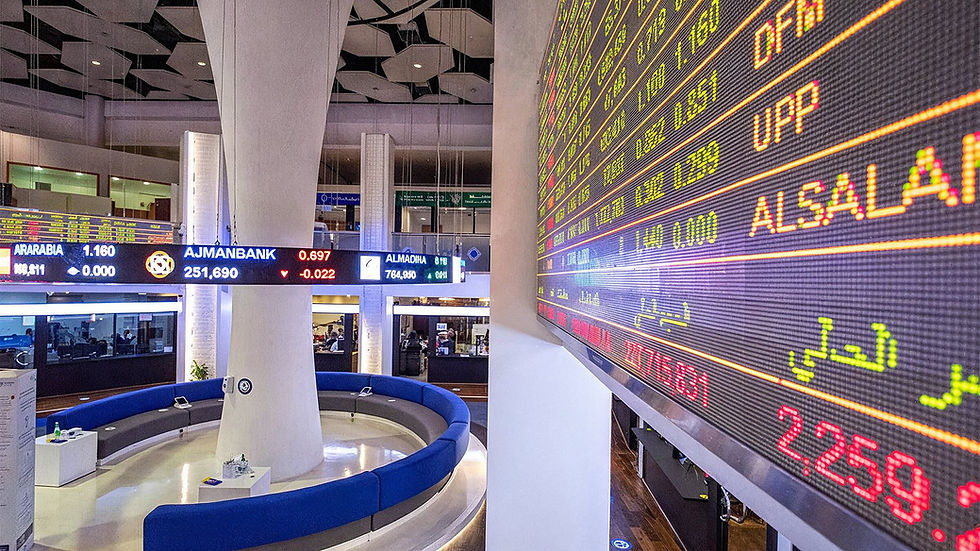
Photo by Sharjah Media City (Shams) – Empowering Creativity & Innovation via web, Photo by How to Setup Business in SAIF Zone Sharjah Free Zone Guide via web, Photo by unsplash via unsplash


Comments