


Desert Driving Safety in Dubai 2026: Dune Recovery & Family Guide
As autumn breezes sweep into Dubai and evening temperatures drop, nothing excites local families quite like packing up the 4x4 for a weekend desert camping getaway. The golden sand dunes of Al Qudra, Fossil Rock, and Lahbab offer an unbeatable outdoor playground for children and parents alike.
However, what begins as a serene sunset BBQ can quickly turn stressful if your vehicle gets bogged down in soft cresting sand without the right preparation or gear. Having spent years exploring the UAE dunes with my family, here is my complete guide to desert driving safety, proper tire deflation, essential recovery gear, and connecting with free volunteer rescue networks.
Golden Rule of Desert Driving: Tire Deflation Guidelines

The single most crucial step before your vehicle's tires ever touch desert sand is deflating them. Lowering your tire pressure increases the rubber contact patch (footprint) on the ground, allowing your 4x4 to float across soft sand rather than digging deep ruts.
Standard road tire pressure (usually 32 to 35 PSI) must be reduced significantly depending on terrain stiffness. For light gravel tracks and firm sand, drop to 18-20 PSI. For deep soft dunes and family camping spots, lower your tires to between 12 and 15 PSI using a quality deflator.
Essential Deflation Tools to Carry
Invest in a brass brass-gauge automatic tire deflator (like ARB or Staun) and a heavy-duty dual-cylinder 12V air compressor so you can re-inflate comfortably before heading back onto the highway.
Firm tracks & flat sand: 18 - 20 PSI for basic traction.
Soft dunes & camping grounds: 12 - 15 PSI for maximum footprint flotation.
Extreme bowl recovery: 10 - 12 PSI (caution required to avoid popping tire off the rim bead).
Angel's Tip: Always deflate your tires at the deflation point before entering the sand, and never drive over 50 km/h on paved roads until you re-inflate at a petrol station air pump.
Comparing Desert Terrain and Recommended PSI Levels
Not all sand in the UAE is created equal. Understanding the difference between damp morning sand, wind-blown crests, and powder-soft afternoon dunes helps drivers choose the right driving gear and speed.
Driving smoothly without sharp braking or sudden steering turns is key to maintaining momentum across all terrain types.
Terrain Type | Recommended Tire PSI | Driving Technique |
|---|---|---|
Hard-packed Gravel / Flat Tracks | 18 - 22 PSI | Standard 4-High mode, steady cruising speed |
Soft Dunes & Camp Areas (Al Qudra) | 12 - 15 PSI | 4-High or 4-Low, smooth steering, maintain steady momentum |
Deep Powder & Cresting Bowls (Lahbab) | 10 - 12 PSI | 4-Low, avoid heavy braking, turn downhill if losing momentum |
Must-Have Recovery Gear for Family Desert Trips
Even experienced drivers get stuck occasionally—it is simply part of desert off-roading. The difference between a 10-minute minor pause and a stranded family ordeal comes down to the recovery kit inside your trunk.
Never venture into the dunes in a single vehicle without baseline self-recovery equipment. If traveling with young children, pack extra water, shade canopies, snacks, and full mobile battery power banks.
First Aid and Family Essentials
Pack double the drinking water your family expects to consume, a fully stocked medical first-aid kit, electrolyte hydration packs, and thermal emergency blankets for chilly desert nights.
Heavy-duty recovery tracks (sand boards) for immediate traction under buried tires.
Kinetic recovery snatch strap & rated soft shackles (never use metal tow balls for kinetic pulls).
Long-handled shovel to clear sand from under axles and differential chassis points.
High-visibility flag pole (2.5m) attached to your rear bumper so cresting vehicles can see you.
Digital tire pressure gauge and heavy-duty 12V air compressor.
Angel's Tip: Keep recovery tracks (like MaxTrax) strapped to your roof rack or easily accessible in the boot so you do not have to dig through camping gear when stuck.
Volunteer Rescuers and Emergency Desert Contacts in UAE
One of the most remarkable aspects of the UAE off-roading community is the network of dedicated volunteer desert recovery groups. Organizations like the Dubai Offroaders, UAE Rescue, and local volunteer clubs assist thousands of stranded motorists free of charge every season.
If your vehicle becomes severely bogged down, high-centred on a dune ridge, or suffers a mechanical failure, downloading local recovery apps or contacting volunteer hotlines provides fast community support.
Dubai Police Emergency: Call 999 for medical or life-safety emergencies.
Dubai Police Non-Emergency: Call 901 for general assistance and police support.
Volunteer Desert Rescue Groups: Access via dedicated WhatsApp groups and community rescue apps for free dune winch recovery.
Top Family-Friendly Desert Camping Locations in Dubai
For expat families looking for safe, scenic, and accessible desert spots, starting with well-mapped camping zones reduces risks while offering fantastic scenery.
Popular family locations feature gentle dunes, easy mobile network coverage, and nearby paved access roads so you can retreat quickly if weather conditions change.
Environmental & Campfire Etiquette
Always burn firewood on an elevated fire pit rather than directly on the sand, and pack out all trash to protect native desert wildlife such as Arabian gazelles and onyx.
Al Qudra Lakes & Bab Al Shams Dunes: Ideal for beginner campers with gentle tracks and cycling paths.
Fossil Rock & Maleha (Sharjah): Stunning red dunes with historic rock formations and clear trail markers.
Half Moon Dunes (Al Ain Road): Smooth rolling dunes perfect for weekend family picnics.
Angel's Tip: Download offline map areas on Google Maps or Gaia GPS before entering the dunes, as mobile signal strength can fluctuate behind high dune ridges.
FAQ
Can I drive in the Dubai desert with an AWD crossover car?
All-Wheel Drive (AWD) crossovers are suitable only for firm flat sand tracks near main roads. Entering deep dunes requires a proper 4WD vehicle with low-range transfer gears and high ground clearance.
What should I do if my car gets stuck in soft sand?
Stop pressing the accelerator immediately to prevent digging deeper ruts. Deflate tires further to 10-12 PSI, shovel sand away from the tires and underbody, place recovery tracks under the drive wheels, and gently ease out.
How much does volunteer desert recovery cost in Dubai?
Volunteer rescue networks operate free of charge out of community goodwill. However, keeping emergency contacts saved on your phone and carrying basic recovery gear is strongly recommended.
What tire pressure is best for desert driving?
For standard desert driving and camping in Dubai, lower your tire pressure to between 12 and 15 PSI. For firmer sand tracks, 18 PSI is sufficient.
Useful Links
Dubai Police Official Portal · UAE Official Government Portal · RTA Dubai Official Site · Emirates News Agency (WAM) · Dubai Safari Park Official Site · DEWA Official Site
Pair It With

— Angel Tyagi, Creator of Angel In Dubai
Prices, timings and availability may change — always check directly with the venue before visiting. Not sponsored.
Story lead: gulfnews.com. Reporting can be updated or withdrawn after publication — always check the original before relying on anything here.
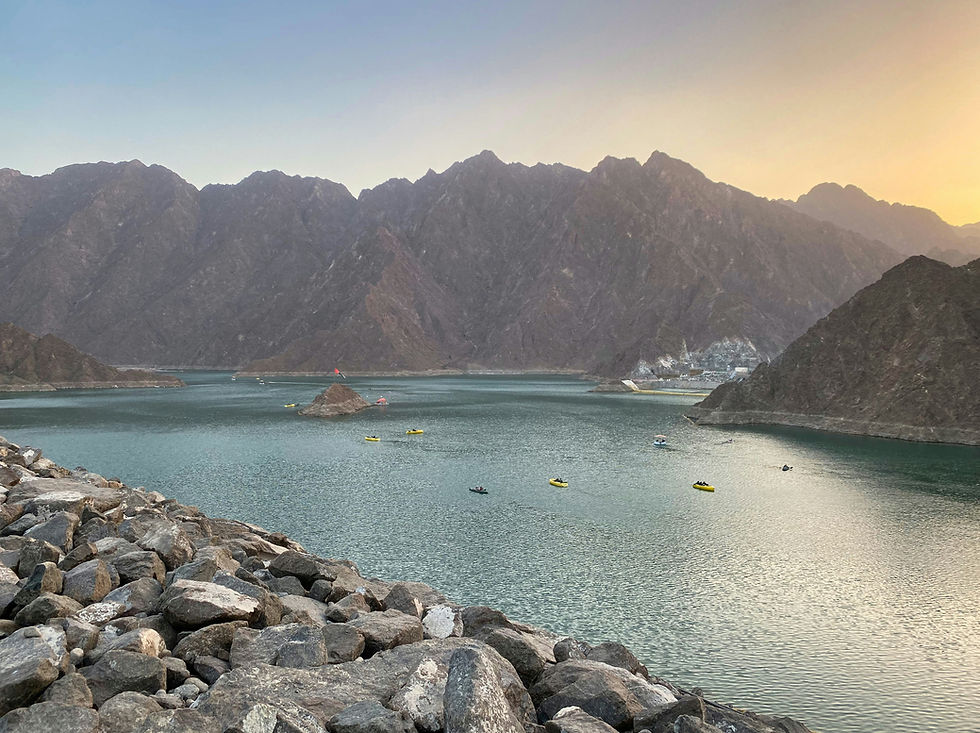
Photo by Exploring Dubai's Iconic Landmarks Through Photography via web, Photo by Exploring Dubai's Iconic Landmarks Through Photography via web


Comments