


Dubai 7th Global Financial Centre Ranking 2026: UAE FDI Growth & Business Guide
Attending a financial technology forum at the DIFC Gate precinct on a warm morning, you could feel the tangible energy of global capital shifting eastward. Institutional investors, venture funds, and multinational corporate leaders from across London, Singapore, and New York were networking under one roof.
That energy is now backed by official global benchmarks. According to the latest Global Financial Centres Index (GFCI) report published as of July 2026, Dubai has officially climbed to 7th place globally among international financial hubs. Supported by record UAE foreign direct investment (FDI) inflows, this achievement reinforces Dubai's position as the economic capital of the MEASA (Middle East, Africa, and South Asia) region. Here is my analysis of what this ranking means for business owners, investors, and entrepreneurs.
Dubai Climbs to 7th in the Global Financial Centres Index (GFCI 2026)

The Global Financial Centres Index (GFCI) tracks competitiveness across key world markets. In the edition published as of July 2026, Dubai secured the 7th spot worldwide, leading all financial centres across the Middle East and South Asia (source: GFCI Report as of July 2026; Emirates News Agency WAM).
This landmark ranking reflects sustained institutional capital inflow, expanding wealth management infrastructure, and aggressive regulatory modernization designed to attract global asset managers and technology scale-ups.
Key Ranking Criteria Driving Dubai's Rise
The GFCI Index evaluates cities across five competitive pillars: business environment, human capital, infrastructure, financial sector development, and reputational standing. Dubai scored exceptionally high in digital governance infrastructure, regulatory transparency, and fintech capital formation (source: GFCI Index as of July 2026).
Record Foreign Direct Investment (FDI) Inflows into the UAE in 2026
Hand in hand with Dubai's financial center ranking is the UAE's record-breaking FDI performance. Official macro-economic data published by the Ministry of Economy as of July 2026 shows that greenfield FDI inflows into the UAE reached an all-time peak of USD 30.7 billion (Dh112.7 billion) (source: WAM / Ministry of Economy, as of July 2026).
Below is a market comparison illustrating how Dubai's GFCI global standing aligns against other top-tier international financial capitals.
Disclaimer: All FDI stats and index rankings represent reported market data as of July 2026 (source: GFCI / WAM); figures are indicative — verify with official ministry releases. This report is for educational context only and does not constitute financial advice.
Global Financial Centre | GFCI 2026 Rank | Primary Regional Hub Focus | Estimated Greenfield FDI Inflows (Indicative) |
|---|---|---|---|
New York | 1st | Americas / Global Capital | USD 45+ Billion (source: GFCI / UNCTAD reports as of July 2026; indicative) |
London | 2nd | Europe / Global Banking | USD 38+ Billion (source: GFCI / UNCTAD reports as of July 2026; indicative) |
Singapore | 3rd | Asia-Pacific / Wealth Management | USD 35+ Billion (source: GFCI / UNCTAD reports as of July 2026; indicative) |
Dubai | 7th | MEASA / Fintech & Global Trade | USD 30.7 Billion (source: Ministry of Economy / WAM as of July 2026; indicative) |
The surge in FDI isn't just numbers on an economic chart. Walking through DIFC and Downtown Dubai, you see international fund managers and AI scale-ups opening regional headquarters every single week.
Why Foreign Companies and Investors Are Expanding to Dubai in 2026
Several structural advantages have converged to make Dubai an attractive corporate destination for multinational firms and high-net-worth founders alike.
The UAE government's progressive legislative updates—including 100% foreign ownership laws, long-term residency visas, and legal frameworks based on common law principles in financial free zones—have provided foreign investors with unprecedented security.
Regulatory Clarity and Golden Visa Growth
The availability of 10-year Golden Visas for business investors, executives, and specialized technology talent has drastically improved employee retention for companies operating in Dubai (source: UAE Government Portal as of July 2026).
Fintech and Digital Asset Regulatory Frameworks
Dubai's specialized regulators, including the Virtual Assets Regulatory Authority (VARA) and the Dubai Financial Services Authority (DFSA), offer clear licensing pathways for digital asset firms, web3 ventures, and AI technology platforms.
Key Structural Advantages for Setting Up a Business in Dubai
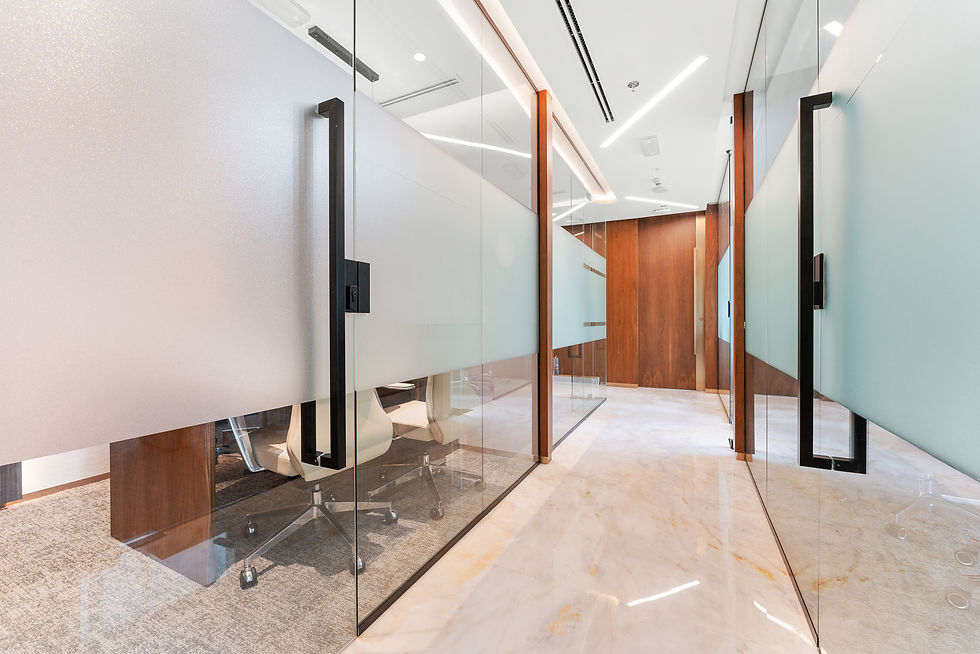
For global companies evaluating expansion into the Middle East, Dubai offers a unique combination of geographic, financial, and operational benefits.
Below are the core structural factors driving corporate relocation and FDI capital allocation into Dubai during 2026.
Strategic Time-Zone Advantage: Dubai's GST (+4) location enables trading and communication during business hours across Asia, Europe, and North America in a single workday.
100% Foreign Company Ownership: Federal commercial laws permit complete foreign ownership of onshore mainland companies across most commercial sectors (source: UAE Portal as of July 2026).
Competitive Corporate Tax Framework: The standard 9% corporate tax rate on net taxable profits exceeding AED 375,000 remains highly competitive globally (indicative — verify with certified tax advisors).
World-Class Logistics & Digital Connectivity: Ranked among top global logistics hubs via Jebel Ali Port and Dubai International Airport.
When structuring your corporate entity, choose your jurisdiction—DIFC, ADGM, or Dubai Mainland—based carefully on your target client base and legal dispute resolution preferences.
Sector-Specific Growth: Where FDI Capital Is Flowing in 2026
Foreign direct investment in Dubai is no longer confined to traditional real estate and hospitality. Data from the Ministry of Economy as of July 2026 reveals heavy capital deployment into high-value knowledge sectors.
Financial technology (fintech), green energy infrastructure, artificial intelligence, and advanced logistics accounted for over 55% of all new greenfield FDI projects launched in H1 2026 (source: WAM / Ministry of Economy, as of July 2026).
All sector investment estimates and growth percentages are reported macroeconomic stats as of July 2026 (source: WAM); figures are indicative — verify with official economic reports. This analysis is not financial advice.
Practical Guide for Foreign Investors Launching Operations in Dubai
Entering the Dubai market requires a clear execution plan, beginning with selecting the appropriate legal entity type and corporate banking partner.
Working with licensed business setup consultants and legal advisors ensures smooth compliance with UAE Federal Commercial Laws and Central Bank AML (Anti-Money Laundering) requirements.
Banking & Compliance Due Diligence
Opening corporate bank accounts for international firms in Dubai requires comprehensive Ultimate Beneficial Ownership (UBO) documentation, verified source of funds, and clear 3-year business plans as required by UAE Central Bank regulations as of July 2026.
FAQ
What rank is Dubai in the Global Financial Centres Index 2026?
Dubai ranked 7th globally in the Global Financial Centres Index (GFCI) report as of July 2026, maintaining its position as the top financial hub in the Middle East, Africa, and South Asia (MEASA) region.
How much FDI did the UAE attract in 2026?
Official reports from WAM and the Ministry of Economy as of July 2026 show UAE greenfield FDI inflows reached a record USD 30.7 billion (Dh112.7 billion), placing the UAE among top global foreign investment destinations.
Can foreign investors own 100% of a company in Dubai?
Yes, under UAE Commercial Companies Law, foreign investors can maintain 100% ownership of companies in both free zones (like DIFC and DMCC) and most mainland commercial activities.
What is the corporate tax rate for businesses in Dubai?
The UAE levies a standard 9% corporate tax on taxable business profits exceeding AED 375,000, with qualifying free zone entities potentially benefiting from a 0% rate on qualifying income (source: UAE Federal Tax Authority as of July 2026; indicative — verify with tax advisors).
Useful Links
Emirates News Agency (WAM) · UAE Government Official Portal · Dubai Police Official Portal · RTA Dubai Official Portal · DEWA Official Portal · Emirates News Agency English
Pair It With
Uae Equities Dfm Adx Market Snapshot · Dubai Inflation Rate July 2026 Cost Of Living · Uae Bonds Sukuk Yields Explained

— Angel Tyagi, Creator of Angel In Dubai
Prices, timings and availability may change — always check directly with the venue before visiting. Not sponsored.
Rates and figures are indicative and were correct as of 20 August 2026; they change often, so verify with the provider before acting. This is general information, not financial advice.
Photo by Dubai Tops Global Ranking for Greenfield FDI Projects in H1 2025 via web, Photo by Dubai Business License Cost For Indians: 2026 Breakdown via web, Photo by Emirates Financial Tower – Dubai’s Leading Luxury Commercial Real ... via web


Comments