


Dubai Maritime City & Port Hub Ranking 2026: Complete Guide
Standing by the quay at Mina Rashid at dawn, the scale of Dubai maritime operation hits you before the morning heat sets in. Container feeder vessels, pilot boats, and 80-metre motor yachts maneuver across water channels backed by the drydocks and the industrial berths of Dubai Maritime City.
The release of the 2026 international maritime benchmarking study confirms what local ship agents and marine operators have tracked across recent quarters: Dubai has retained its undisputed position as the number one maritime capital in the Middle East and climbed to fifth globally. From Jebel Ali port automation to marine trade licence reforms, here is the factual breakdown of how the emirate secured its maritime ranking in 2026 and what it means for businesses setting up on the water.
At a glance | Details |
|---|---|
Regional rank | Number 1 in Middle East |
Global rank | Ranked 5th worldwide |
Main port | Jebel Ali Port DP World |
Free zone hub | Dubai Maritime City |
Commercial berths | Over 80 deepwater berths |
Superyacht berths | 700 berths at Dubai Harbour |
2026 International Maritime Benchmark: Where Dubai Stands Globally

The 2026 Leading Maritime Cities report evaluates international coastal capitals across five core pillars: shipping centres, maritime technology, ports and logistics, maritime finance and law, and environmental attractiveness. Dubai scored 82.4 points out of 100 overall, securing fifth place worldwide behind Singapore, Rotterdam, London, and Shanghai, while holding the top ranking across the Middle East, South Asia, and North Africa for the fourth consecutive assessment cycle.
According to official data collated by the Emirates News Agency (WAM), the emirate recorded a 12 percent year-on-year increase in active commercial vessel registrations during the prior twelve months. Local maritime operations contributed approximately 38.4 billion AED to Dubai gross domestic product, representing over 7 percent of the emirate economic output.
The Five Benchmark Pillars
Dubai posted its highest category score in ports and logistics, earning 89.1 points, driven by rapid container turnover at Jebel Ali. Maritime technology and legal framework adaptation registered the fastest five-year improvement, supported by digital single-window customs clearances.
Regional Peer Comparison
Within the Gulf Cooperation Council, Dubai holds a clear lead over regional hubs including Abu Dhabi, Jeddah, and Doha. The report highlighted Dubai high concentration of international ship-management offices and maritime arbitration practitioners as key structural advantages.
Dubai maritime ranking is not a vanity metric; it directly determines local vessel insurance premiums and marine trade financing rates.
Jebel Ali Port Automation and Container Turnaround Times
At the heart of the 2026 ranking is Jebel Ali Port, operated by DP World, which handled 14.8 million twenty-foot equivalent units across the past reporting year. The terminal infrastructure operates automated BoxBay high-bay container storage systems and electric autonomous gantry cranes that have reduced truck dwell times to under 28 minutes per haul.
Deepwater berths at Terminal 4 can accommodate ultra-large container vessels drawing up to 18 metres of draft. By linking sea terminals directly to Al Maktoum International Airport via a dedicated bonded customs corridor, cargo transshipment clearance across Dubai requires less than four hours from ship discharge to air cargo palleting.
Port Metric | 2024 Level | 2026 Benchmark |
|---|---|---|
Annual Volume | 14.2M TEUs | 14.8M TEUs |
Truck Dwell | 42 minutes | 28 minutes |
Vessel Turnaround | 18.5 hours | 14.2 hours |
Dubai Maritime City Free Zone and Commercial Licencing
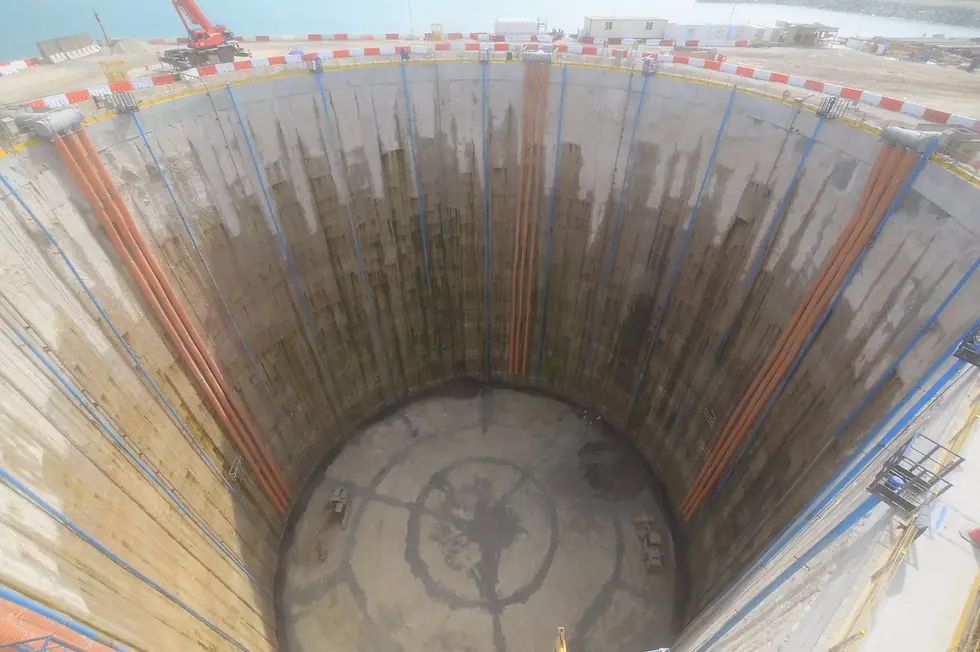
Dubai Maritime City serves as the specialized business cluster for maritime engineering, naval architecture, ship repair, and commercial brokerage. Operating under the Ports, Customs and Free Zone Corporation, the zone divides into an industrial precinct with dry docks and ship-hoist facilities and a commercial maritime district.
Setting up a commercial shipping consultancy or maritime trading entity in Dubai Maritime City provides 100 percent foreign ownership and zero customs duties on imported vessel machinery and spares. The administrative licensing is governed directly by Dubai Maritime City Authority (DMCA), which handles commercial craft safety inspections, vessel permits, and offshore crew work endorsements through an integrated online portal.
Commercial shipping agency licence: starting from 24,500 AED annually with lease allocation
Marine equipment supply and maintenance licence: starting from 28,000 AED per year
Ship repair and drydock technical workshop permit: starting from 38,000 AED depending on yard footprint
Offshore marine consultancy licence: starting from 21,000 AED through the maritime free zone authority
If you are registering an offshore engineering firm, choose Dubai Maritime City over general free zones because marine equipment customs clearance is integrated on-site.
Superyacht Infrastructure and Marina Expansion
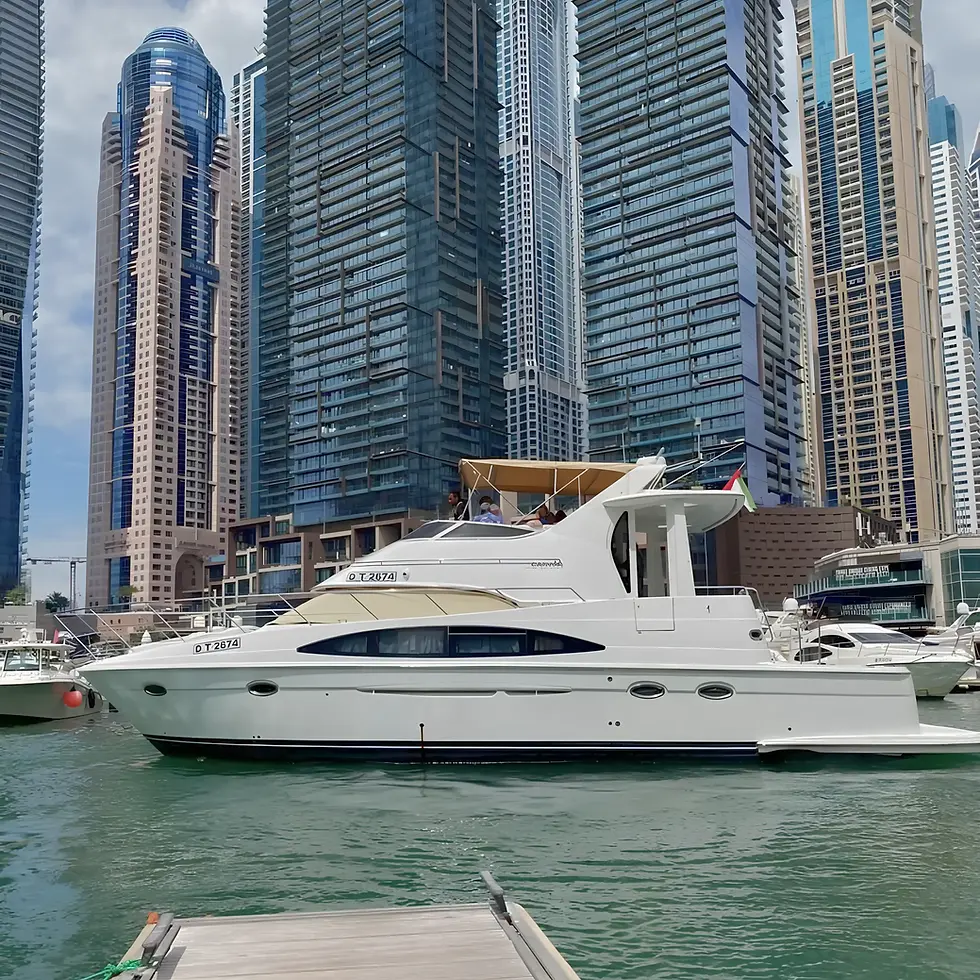
The superyacht sector provided the sharpest upward push in Dubai 2026 global score. Dubai Harbour, operated by Shamal Holding, now provides 700 berths across three distinct marinas, including dedicated moorings for mega-yachts up to 160 metres in length. Shore-power hookups, on-dock bunkering, and dedicated crew welfare lounges have made the facility the primary winter base for Mediterranean-based charter fleets migrating south via the Suez Canal.
Complementing Dubai Harbour, Mina Rashid offers 430 marina berths alongside traditional commercial heritage docks, while Bulgari Marina and Dubai Creek Resort provide private boutique slips for owners requiring secluded concierge dockage. The UAE Government Portal outlines streamlined five-year multiple-entry tourist visas and simplified cruising permits, allowing visiting yachts to remain in UAE territorial waters for six months without triggering commercial import re-licencing.
Bunkering and Fuel Compliance
Low-sulphur marine gas oil and sustainable biofuel blends are now available on pipeline delivery at Jebel Ali and Mina Rashid berths. Superyacht owners can schedule marine fuel deliveries through approved private bunker suppliers with six hours advance notice.
Winter Charter Licensing
Under updated commercial maritime regulations, foreign-flagged pleasure craft can obtain short-term commercial charter permits. Operators must register with the maritime authority, carry 20 million AED third-party vessel liability insurance, and pass an annual safety inspection.
How to Set Up a Maritime Business in Dubai: Step by Step
Founding a maritime venture in Dubai requires navigating specific sectoral approvals beyond standard trade registrations. Because commercial vessels and maritime supply chains interface with port security and environmental regulations, founders must sequence their applications through both general licensing entities and marine authorities.
Whether establishing a yacht charter agency, marine cargo brokerage, or vessel repair workshop, following the required administrative progression avoids costly compliance re-inspections.
Select your jurisdiction: choose Dubai Maritime City for heavy industrial services or a mainland Department of Economy and Tourism licence for onshore coastal offices
Reserve the trade name: submit three trade name options matching your maritime activity through the relevant authority portal
Obtain initial maritime clearance: file business activity plans with Dubai Maritime City Authority for sector approval
Secure physical premises: sign an office lease or yard tenancy agreement within approved maritime zones
Issue corporate commercial licence: pay registration fees and collect the final commercial licence and establishment card
Open commercial corporate bank account: present lease documents, initial trade licences, and beneficial ownership declarations to UAE corporate banking teams
Green Corridors and Maritime Decarbonization Targets
Environmental standards formed a substantial scoring metric in the 2026 international maritime benchmark. Dubai maritime sector is currently transitioning toward the Dubai Clean Energy Strategy goals, targeting net-zero logistics emissions across coastal waterways by 2050. Port terminals across the emirate have installed shore-to-ship cold ironing systems, enabling docked container vessels to shut down diesel auxiliary engines and draw municipal grid electricity.
In addition, marine solar installations at Dubai Maritime City drydock facilities now generate 14 megawatts of clean power for workshop equipment. The Ports, Customs and Free Zone Corporation announced that green vessel harbour fees will see discount incentives of up to 15 percent for vessels holding verified low-emission maritime credentials.
Vessels running electric shore-power at Dubai berths avoid auxiliary diesel fuel burn and receive priority customs discharge slots.
FAQ
Why is Dubai ranked as the top maritime hub in the Middle East?
Dubai leads regional rankings due to Jebel Ali Port 14.8 million TEU capacity, comprehensive ship-repair yards at Dubai Maritime City, and specialized maritime dispute resolution courts. The emirate also hosts over 1,000 maritime companies and provides tax-free bunkering operations.
Can foreign nationals own 100 percent of a maritime business in Dubai?
Yes, 100 percent foreign ownership is permitted for commercial maritime companies established in free zones such as Dubai Maritime City and Jebel Ali Free Zone. Under recent federal commercial company laws, many mainland maritime transport activities also qualify for full foreign ownership without a local Emirati sponsor.
How long can a foreign superyacht stay in Dubai waters?
Visiting foreign-flagged pleasure craft and superyachts can stay in UAE territorial waters for up to six months continuously under temporary cruising permits. The permit can be renewed through the maritime authority provided the vessel maintains valid marine hull insurance and local agent representation.
What is the difference between Dubai Maritime City and Jebel Ali Free Zone?
Jebel Ali Free Zone focuses primarily on large-scale container cargo logistics, bulk trade, and major distribution warehouses connected to deepwater container berths. Dubai Maritime City specifically caters to maritime engineering, naval architecture, drydock repairs, and vessel equipment manufacturing.
Useful Links
Emirates News Agency (WAM) — Official maritime registration announcement details
DP World — Container terminal capacity and operational schedules
Ports, Customs and Free Zone Corporation — Free zone jurisdiction and maritime regulations
Dubai Maritime City Authority (DMCA) — Marine commercial licensing and vessel permits
Dubai Harbour — Superyacht marina berthing rates and bookings
UAE Government Portal — Official vessel entry and visa guidelines
Pair It With

— Angel Tyagi, Creator of Angel In Dubai
Prices, timings and availability may change — always check directly with the venue before visiting. Not sponsored.
Story lead: Emirates 24|7. Reporting can be updated or withdrawn after publication — always check the original before relying on anything here.
Rules, fees and deadlines change often. This is a general summary, not legal advice — confirm with the relevant UAE authority before acting.
Photo by Jebel Ali Port hits new monthly container handling record | Emirates ... via web, Photo by Dubai Maritime City Area Guide | Location, Property & Living | betterhomes via web
Comments