


Dubai's Real Estate Market Just Hit $75 Billion in 2026 — What It Means for Buyers and Investors
There is a moment every summer in Dubai when the real estate data drops and the numbers feel almost unreal. This year, that moment came in late June 2026 when analysts confirmed that Dubai had recorded $75 billion in new project launches in the first half of 2026 alone — putting it on course for its most active year in residential property history.
I have watched this market from the inside — as a resident, as someone who has written about it, and as someone whose friends are making buying decisions in real time. Here is what the numbers mean, and what they tell us about where Dubai property is heading.
The Record in Context — What $75 Billion Actually Means
According to Economy Middle East, as of June 26 2026, Dubai has registered approximately AED 275 billion ($75 billion) in new project launches year-to-date — running well ahead of the same period in 2024 and 2023.
The Dubai Land Department and Property Finder have both reported double-digit year-on-year growth in transaction volumes. Average apartment prices across Dubai as of Q1 2026 stood at approximately AED 1,650/sqft, up around 12% year-on-year — indicative; verify directly with DLD and your broker before acting.
Four Forces Driving the Surge
Post-pandemic wealth migration — Dubai absorbed significant inflows of high-net-worth individuals from Europe, Russia, India, and China between 2021 and 2024 — that demand is still working through the pipeline as developers race to serve it
Post-handover payment plans — paying 40-60% after handover has dramatically lowered the entry barrier, pulling in buyers who would not qualify for a traditional mortgage
Golden Visa-linked investment — the AED 2 million property investment threshold for a 10-year Golden Visa continues to drive mid-market premium purchases; confirm current rules at icp.gov.ae
Infrastructure narrative — Dubai Metro expansion, the confirmed Etihad Rail passenger service launch, and Expo 2020 legacy infrastructure are adding accessibility arguments for communities that previously felt peripheral
Where the New Launches Are Concentrated
Downtown Dubai and Business Bay remain the prestige heartland, with Emaar anchoring top-of-range launches. Off-plan asking prices here start from approximately AED 2,200/sqft as of June 2026 — indicative; verify with the developer.
Dubai Creek Harbour, Meydan, and Mohammed Bin Rashid City are absorbing mid-market volume — Sobha Realty, Binghatti, and Danube Properties are among the most active launchers, with handover timelines stretching 2026–2030.
Palm Jebel Ali is drawing renewed investor interest; Nakheel phases have reportedly sold through quickly — verify availability directly. Jumeirah Village Circle and Dubai South attract first-time buyers at AED 600–900/sqft entry levels as of mid-2026 — indicative; check Bayut and Property Finder for live listings.
I get asked every week by friends back home whether it is still a good time to buy in Dubai. My honest answer: I am not your financial adviser, and this market moves fast enough that any number I cite today could be outdated in a quarter. What I can say is that the infrastructure story, the visa reach, and the tax environment are genuinely structural — those do not evaporate with a market correction.
What This Means for Buyers and Investors
A record launch year is not automatically good news for every buyer. More supply means more developer competition and better payment plans — but resale liquidity on individual units depends heavily on location and developer reputation. Key considerations as of mid-2026:
Off-plan payment plans — post-handover plans reduce upfront cash required — always confirm the developer's RERA escrow registration before committing; check rera.gov.ae
DLD 4% transfer fee — applies on every purchase; factor alongside Oqood registration fees (AED 3,000+) into your total acquisition cost
Rental yield — Dubai-wide gross yields averaged 6-8% in established communities in Q1 2026 per Bayut data — illustrative estimates only; actual yields vary by unit type, location, and vacancy; verify with a licensed property manager
Mortgage rates — EIBOR was around 4.9% as of June 2026; variable mortgages typically add 1-1.5% spread — confirm current rates directly with your bank as these change frequently
This is not financial advice. All figures are indicative as of June 27, 2026 — verify with developers, banks, and DLD before any purchase decision.
What to Watch in H2 2026
Handover wave — units contracted in 2021-2022 reach delivery in 2026-2027 — watch for resale and rental supply increases in JVC, Creek Harbour, and Meydan
EIBOR trajectory — US Federal Reserve rate decisions feed directly into Dubai mortgage affordability; the next Fed meeting is July 2026
Palm Jebel Ali phases — remaining Nakheel launches are a key benchmark for top-tier waterfront demand depth
Etihad Rail passenger service — now confirmed for launch; communities near rail stations, especially Dubai South, should see renewed investor interest
For more on individual off-plan developments, read my Dubai off-plan new launches tracker — updated regularly with new developer launches and payment plan details.
Is Dubai Real Estate Right for You?
The honest answer is: it depends — on your horizon, your risk tolerance, your cash position, and your reason for buying. Dubai real estate has historically rewarded patient, well-researched buyers who buy in established communities with good rental demand and strong developer track records. It has burned those who over-leveraged on speculative off-plan in areas with weak rental absorption or questionable developers.
Key questions to ask before committing: Is the developer RERA-registered with a funded escrow account? What is the current rental vacancy rate in that specific community — not Dubai-wide, but that exact street? What is the service charge estimate per sqft, and who manages the building? These are not alarming questions; they are the questions every experienced buyer asks. A good broker and a licensed RERA agent can walk you through each. The Dubai REST app (Dubai Land Department) lets you verify any project's registration and escrow account in minutes — use it.
For staying up to date on new launches and offer timelines, see my Dubai off-plan launches tracker where I aggregate current developer offers and payment plan windows in one place.

— Angel Tyagi, Creator of Angel In Dubai
Prices, timings and availability may change — always verify with developers, DLD, and licensed advisers before acting. This is not financial advice. This post is not sponsored.
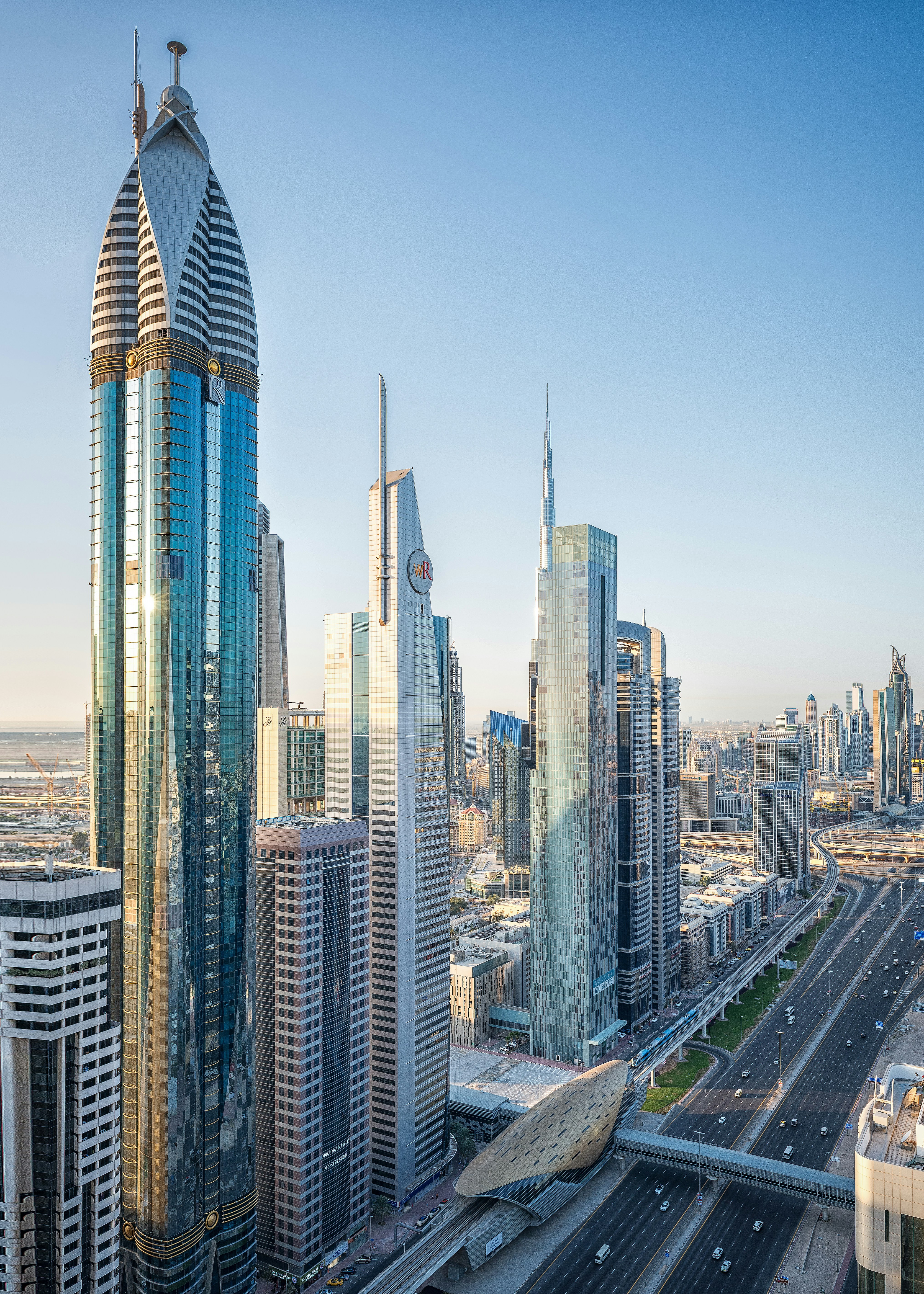
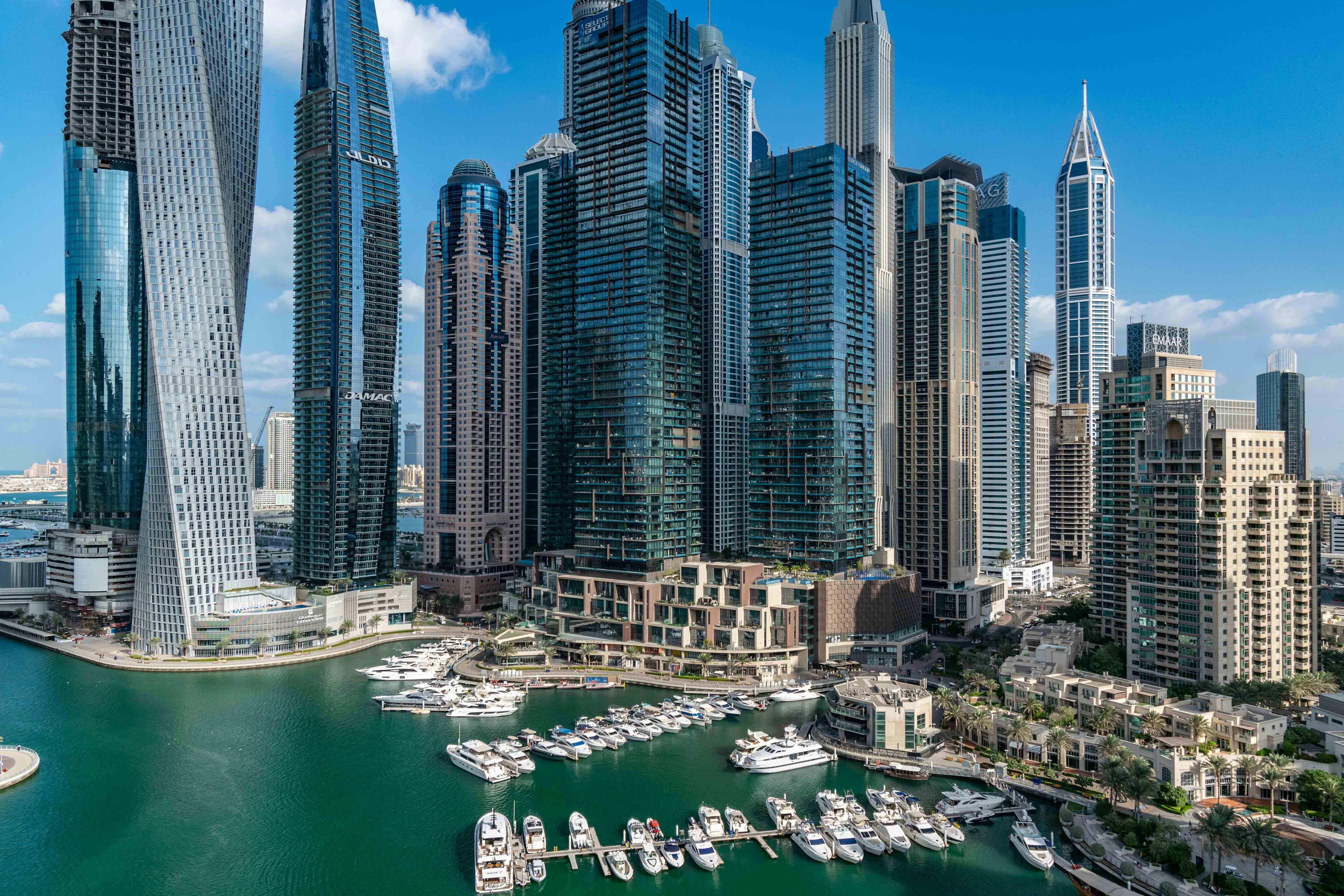
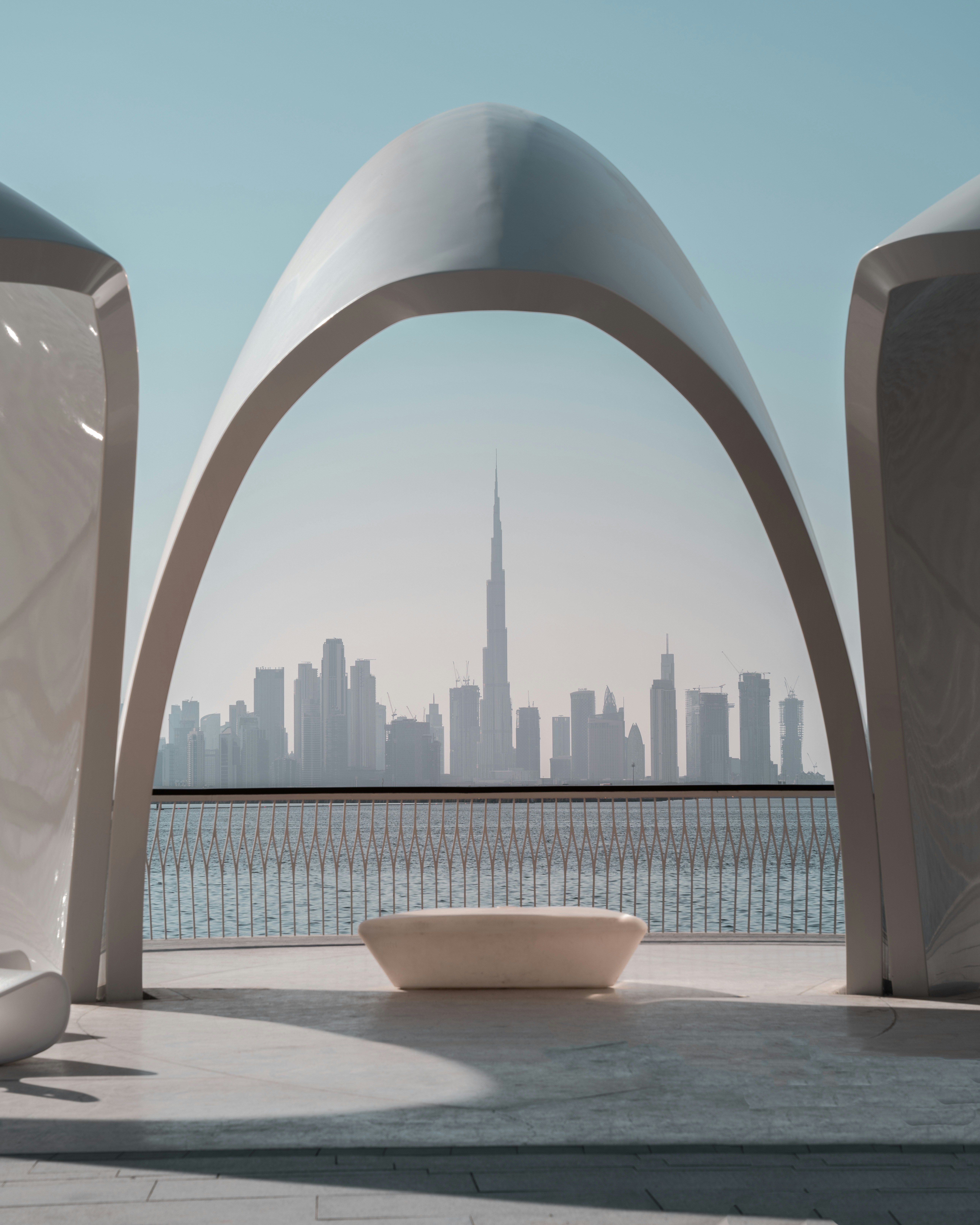
Photo credits: Cover — Riyas Mohammed via Unsplash; Sheikh Zayed Road — Drew McKechnie via Unsplash; Dubai Marina aerial — Nelemson Guevarra via Unsplash; Dubai arch skyline — Ismail Merad via Unsplash.


Comments