


Dubai to Khorfakkan Road Trip Guide 2026: Speed Limits, Radars and Weekend Stops
Pulling out of Dubai onto Emirates Road at daybreak on a Saturday morning, the flat desert plains quickly give way to the rugged, sun-bleached peaks of the Hajar Mountains. For residents across the UAE, the Khorfakkan Highway remains the crown jewel of weekend road trips, slicing through jagged rock formations and dramatic engineered tunnels toward the Gulf of Oman.
Driving this mountain corridor requires fresh vigilance following an official speed limit reduction taking effect on October 13, 2026. Whether you are packing folding chairs for an afternoon barbecue at Shees Park or heading to Al Rafisah Dam for an early morning kayak session, understanding the revised radar buffers, tunnel safety protocols, and scenic turnout spots ensures a smooth weekend escape free of unexpected traffic fines.
At a glance | Details |
|---|---|
Route Distance | 130 km from central Dubai |
Driving Time | 75 to 90 minutes |
Effective Date | 13 October 2026 |
Tunnel Speed Limit | 80 km/h with 20 buffer |
Park Entry Fee | Free (AED 0) at Shees Park |
October 13 Speed Limit Revisions and Radar Thresholds

Official traffic updates published by Ministry of Interior confirm that the speed reduction effective October 13, 2026, aims to improve safety across high-altitude bends. On primary open stretches of the Khorfakkan Highway (S142), the posted speed limit is set at 100 km/h, while mountain approach descents and tunnel corridors transition down to 80 km/h. Motorists who routinely drove the route at higher speeds must adjust their cruise control settings immediately.
Unlike Abu Dhabi where posted road signs indicate the absolute radar trigger with zero grace margin, the Khorfakkan route passes through Sharjah and Fujairah jurisdictions where the traditional 20 km/h buffer remains operational as of October 2026. This means a posted limit of 100 km/h flashes speed cameras at 121 km/h, while an 80 km/h sector flashes at 101 km/h. Relying on the buffer around sharp mountain corners remains hazardous, however, as localized crosswinds and sudden slowdowns demand conservative driving speeds.
Open Desert Highway Thresholds
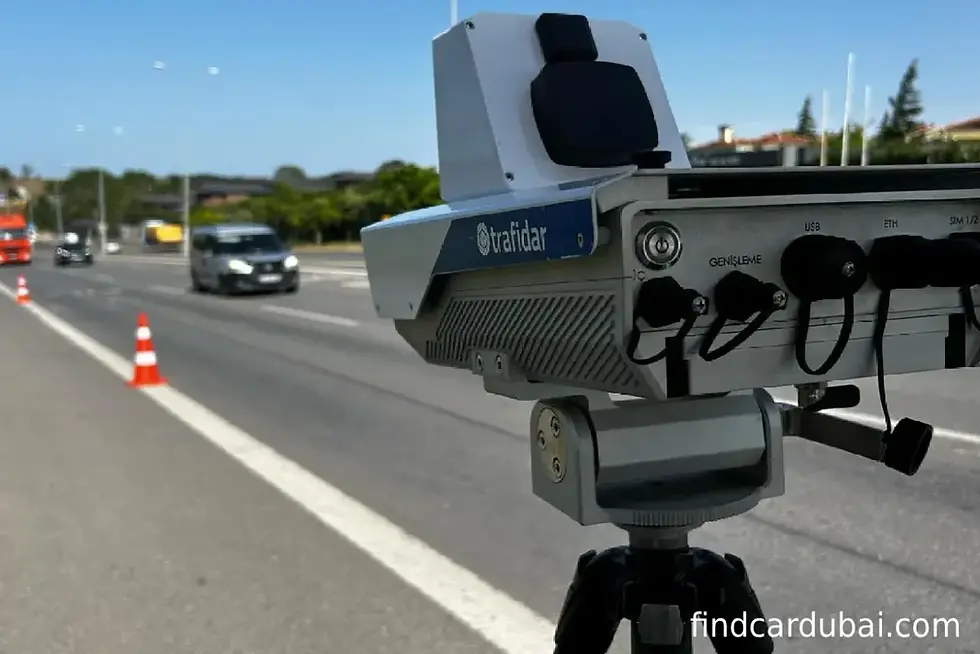
The initial desert straightaways leading out from the Sharjah border carry a posted 100 km/h limit with radar cameras calibrated to capture violations above 120 km/h. Fixed cylindrical radar units are stationed at regular five-kilometer intervals along the median.
High Elevation Descent Buffers
As the highway ascends into the mountain foothills, visible electronic overhead gantries advise a reduction to 80 km/h. Decelerating ahead of downhill sections prevents vehicle brakes from overheating on extended grades.
Highway Sector | Sign Limit | Radar Flash |
|---|---|---|
Open Highway | 100 km/h | 121 km/h |
Mountain Tunnels | 80 km/h | 101 km/h |
Urban Approach | 80 km/h | 101 km/h |
Navigating the Five Hajar Mountain Tunnels Safely
The defining engineering feature of the Khorfakkan Highway is its series of five high-tech mountain tunnels: Al Rogh, Al Ghafeer, Al Saada, Al Sidrah, and Al Shahanah. Stretching up to 2.7 kilometers in length, the Al Rogh tunnel ranks as the longest subterranean vehicular tunnel in the Middle East. Traveling through these massive subterranean passages cuts travel time dramatically compared to the vintage winding mountain roads of previous decades.
Inside every tunnel, strict traffic management protocols apply round the clock. Lane discipline is monitored continuously by ceiling-mounted optical surveillance cameras, and overtaking heavy commercial vehicles or changing lanes over solid white markers incurs automated penalties. Drivers must ensure headlights are switched from daytime running lights to full low-beam settings upon entering to maintain visibility across shaded entry thresholds.
Maintain a mandatory three-second following distance behind vehicles ahead
Switch headlights on manually rather than relying on automatic ambient sensors
Adhere strictly to designated lanes with no overtaking across solid dividing lines
Avoid using emergency laybys inside tunnels except for acute mechanical failure
Keep radio tuned to local emergency frequencies in case of traffic broadcast alerts
Approaching the mountain tunnels requires an immediate deceleration to 80 km/h because automated speed cameras are positioned directly at tunnel portals.
Essential Weekend Pitstops from Al Rafisah Dam to Shees Park
Heritage tourism guidelines released by Sharjah Commerce and Tourism Development Authority highlight the restored Portuguese fort and lakeside hiking trails as prime cultural landmarks. Al Rafisah Dam provides a breathtaking contrast of calm turquoise water framed by towering sandstone cliffs. Visitors can hire pedal boats or tandem kayaks for AED 30 to AED 60 per half-hour as of October 2026, or enjoy a fresh breakfast at the lakeside cafe terrace overlooking the migratory bird sanctuary.
A short five-minute detour through a mountain spur leads to Shees Park, an expansive eco-tourism destination in Wadi Shees. Spread across more than 11,000 square meters, the park features a man-made 25-meter mountain waterfall, elevated stone viewing platforms, children play zones, and lush grassy terraces ideal for family picnics. Entry to the park grounds is free of charge, making it one of the most accessible family excursions in the eastern region.
Al Rafisah Dam kayak and pedal boat rentals starting from AED 30 as of October 2026
Restored historical fortress and ancient archaeological walking trail around the reservoir
Shees Park 25-meter artificial mountain waterfall and shaded stone amphitheatres
Dedicated barbecue zones and shaded outdoor picnic tables at Shees Park with zero entry fee
On-site convenience kiosks and clean public restroom facilities at both rest areas
Step-by-Step Route Planning from Central Dubai
Inter-emirate travel advisories maintained by RTA Dubai recommend using Emirates Road to bypass industrial congestion when departing Dubai. The complete journey spans approximately 130 kilometers and takes 75 to 90 minutes under typical weekend conditions. Planning your departure before 7:30 AM allows you to reach mountain stops before midday sun and secure convenient parking spaces at popular lake lookouts.
Depart central Dubai via Ras Al Khor Road (E44) or Financial Centre Road toward Emirates Road (E611).
Follow E611 north toward Sharjah and take exit 71 for the Sharjah-Khorfakkan Highway (S142).
Continue straight along S142 past the central sand dunes as the road transitions into the mountain approach.
Slow down to 80 km/h as overhead illuminated speed signs announce entry to the mountain tunnel system.
Follow the clearly marked right-hand exit signs for Al Rafisah Dam or Shees Park for your mid-drive stop.
Continue east down the mountain grade into downtown Khorfakkan to access the Corniche and amphitheatre.
Departing Dubai before eight in the morning means you experience the mountain tunnels in peaceful early light and secure parking at Al Rafisah Dam before tour buses arrive.
Vehicle Preparation and Mountain Driving Guidelines
Driving in high-temperature mountain terrain places unique demands on standard road vehicles. Federal vehicle operating regulations on UAE Government Portal outline standard emergency stopping procedures along inter-city mountain expressways. Ensuring proper coolant levels, inspecting brake pad wear, and adjusting tire cold pressures before embarking prevents breakdowns on steep grades where hard shoulders can be narrow.
Fuel stations are spaced across the early desert section of the route, but fuel options diminish once you enter the mountainous stretch between the tunnels and the coast. Topping off your fuel tank at the service stations located near the E611 junction saves unnecessary range anxiety during steep uphill climbs.
Engine Braking on Steep Descents
Shifting automatic transmissions into sport or manual mode allows engine braking to control downhill speed naturally. Riding mechanical foot brakes continuously generates friction heat that can cause brake fade on heavy passenger SUVs.
Rest Area Fuel and Charging Availability
Modern fast-charging electric vehicle stations and petrol stations are operational at major rest plazas before the mountain climb. Ensure your battery or tank has at least half capacity before entering the tunnel network.
Checking tire pressures before leaving Dubai is vital because mountain ascents and changing road temperatures increase blowout risks.
Local Regulations and Beachfront Etiquette in Khorfakkan
Road safety enforcement campaigns from Dubai Police emphasize that speed compliance significantly lowers incident rates during weekend rush hours. Upon descending into the coastal city of Khorfakkan, visitors must adhere to local municipal standards regarding beach recreation and public order. The scenic Khorfakkan Corniche features designated swim areas, running tracks, and lawn areas for family gatherings.
Weekend itinerary recommendations curated by Visit Dubai feature eastern enclave day drives as essential adventures for outdoor lovers. Visitors should note that overnight camping and open charcoal barbecues are strictly confined to designated fire pits in authorized recreational zones. Modest swimwear is required outside active swimming waters, and personal watercraft like jet skis must operate strictly within buoy-marked coastal launch corridors to protect shoreline swimmers.
Public Beach Swim Zones and Safety Flags
Lifeguards patrol designated public swimming areas along the corniche until sunset. Always observe colored safety flags warning of underwater rip currents before entering deep coastal waters.
Amphitheatre and Waterfall Photo Etiquette
The Roman-inspired Khorfakkan Amphitheatre and adjacent artificial rock waterfall offer popular photography viewpoints. Visitors should maintain respectful attire and avoid obstructing public pathways when taking pictures.
Respecting local family zoning rules along Khorfakkan beach keeps your weekend relaxing and free of municipal fines.
FAQ
What is the new speed limit on the Dubai to Khorfakkan road?
Effective October 13, 2026, posted speed limits are 100 km/h on open spans and 80 km/h through mountain tunnels and high-grade descents. Because this highway operates under Sharjah and Fujairah jurisdictions, standard 20 km/h radar buffer rules apply, triggering speed cameras at 121 km/h and 101 km/h respectively.
Are there radar speed camera buffers on the Khorfakkan highway?
Yes, unlike Abu Dhabi where zero grace buffer exists, the Khorfakkan road maintains a 20 km/h buffer above posted sign limits in accordance with Northern Emirates traffic policing rules.
How long does the drive from Dubai to Khorfakkan take?
The 130-kilometer drive from central Dubai takes approximately 75 to 90 minutes via the new Khorfakkan Highway (S142), making it significantly faster and safer than the older winding routes through Dhaid.
Is there an entrance fee for Shees Park or Al Rafisah Dam?
Entry to both Shees Park and Al Rafisah Dam rest plazas is completely free of charge. Optional recreational activities such as paddle boating and kayaking at Al Rafisah Dam cost between AED 30 and AED 60 per session as of October 2026.
Useful Links
Ministry of Interior — Verify speed buffer regulations across northern emirates
Sharjah Commerce and Tourism Development Authority — Discover cultural attractions and eco-tourism sites
RTA Dubai — Consult inter-emirate transit routes and highway links
UAE Government Portal — Check national federal traffic laws and driving penalties
Dubai Police — Review radar fine classifications and road safety alerts
Visit Dubai — Explore regional excursion guides and scenic day trips
Pair It With

— Angel Tyagi, Creator of Angel In Dubai
Prices, timings and availability may change — always check directly with the venue before visiting. Not sponsored.
Story lead: khaleejtimes.com. Reporting can be updated or withdrawn after publication — always check the original before relying on anything here.
Rules, fees and deadlines change often. This is a general summary, not legal advice — confirm with the relevant UAE authority before acting.
Photo by Travel Khor Fakkan: Best of Khor Fakkan, Visit Sharjah | Expedia Tourism via web, Photo by Ziad Al Halabi via unsplash, Photo by web via web


Comments