


Dubai World Central Air Cargo and Pharma Logistics: 2026 Guide
Stepping onto the expansive cargo apron at Dubai World Central, the scale of Al Maktoum International Airport immediately becomes obvious. While passenger operations across town at DXB operate near terminal capacity, the freight corridors out here in Jebel Ali are engineered for relentless volume, lined with triple-wide taxiways and cavernous airside distribution centres.
With pharmaceutical demand surging across the Middle East, Africa, and South Asia, DWC has positioned itself at the core of temperature-sensitive global supply chains. Having tracked Dubai aviation infrastructure investments over recent seasons, I spent time reviewing how these certified cold-chain facilities actually function during peak operations.
At a glance | Details |
|---|---|
Airport code | DWC / Al Maktoum International Airport |
Cargo capacity | Over 12 million tonnes annual master plan capacity |
Pharma standard | IATA CEIV Pharma certification across major terminals |
Cool chain area | Over 30,000 square metres temperature-controlled space |
Sea-air corridor | Direct bonded transit corridor linking Jebel Ali Port |
Logistics district | Dubai South dedicated aviation and airfreight zone |
The Strategic Rise of DWC as a Global Air Cargo Powerhouse
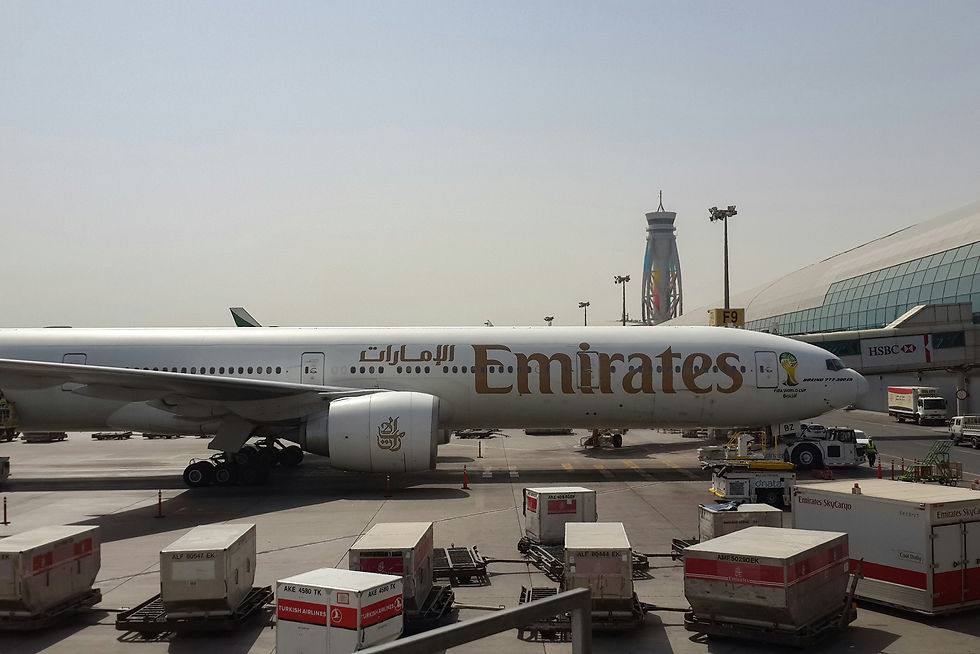
According to official operational updates from Dubai Airports, annual air cargo throughput at DWC has surged as dedicated freighter traffic transitions away from congested passenger runways. Al Maktoum International was master-planned from the ground up without the physical footprint constraints that limit legacy metropolitan airports. With four planned parallel runways and direct aircraft apron access for cargo warehouses, freighters can complete offloading and turnaround procedures in record time.
This dedicated logistics ecosystem enables forwarders to handle outsized heavy equipment alongside high-value electronics and sensitive biotech. Rather than competing with scheduled passenger departures for air traffic control slots, dedicated freight carriers enjoy round-the-clock clearance windows that maintain dependable transit schedules between European factories and Asian consumer markets.
IATA CEIV Pharma Certification: Cold-Chain Standards Explained
Maintaining cargo integrity for biological medicines and mRNA vaccines represents one of the most demanding challenges in global aviation. Standards validated across international aviation by IATA require ground handling agencies to maintain continuous digital telemetry across every storage sector. The Center of Excellence for Independent Validators in Pharmaceutical Logistics accreditation certifies that DWC facilities prevent thermal degradation even during high summer temperatures.
Achieving this international validation requires rigorous physical auditing of handling procedures, backup power generators, and staff operational protocols. Every critical step from aircraft pallet breakdown to cold-room shelving must prove continuous temperature logging without gaps.
Automated Sensor Telemetry
Warehouse racks incorporate calibrated sensor arrays that record thermal data every sixty seconds. If temperatures drift more than half a degree from established parameters, automated sirens and dispatch alerts notify floor supervisors instantly.
Standard Operating Protocols
Handling teams receive specialized training on handling active cold containers and dry-ice replenishment. Operational checklists ensure that shipments designated for two to eight degrees Celsius never sit in ambient receiving bays.
Tarmac exposure under Dubai summer sun can ruin a thermal shipment in six minutes if unchilled dollies are used.
Infrastructure Breakdown: Cool Portals and Temperature-Controlled Aprons
Official trade announcements published by Emirates News Agency confirm that strategic cold-chain investments have increased regional vaccine distribution capacity threefold. DWC terminal operators have built enclosed cool portals directly extending from warehouse walls onto the tarmac, allowing climate-shielded transfers from cargo holds into staging facilities.
Specialized airside ground equipment completes the cold chain between the warehouse and the aircraft belly. Active refrigeration dollies equipped with solar-assisted chilling units ensure that shipments remain sheltered during the short journey across the taxiway.
Custom cool dollies maintaining preset thermal ranges during outdoor tarmac transfers
Dedicated staging chambers accommodating up to forty aircraft pallets simultaneously
Dual-redundant cooling compressors powered by on-site industrial substation backups
Dedicated pharmaceutical inspection rooms permitting customs checks under controlled air
Comparing Temperature Zones for Air Cargo at Al Maktoum

Different medical products and perishable items demand distinct atmospheric settings to preserve biochemical stability. Storing vaccines alongside fresh produce or general consumer medicine leads to immediate regulatory non-compliance.
Facilities at DWC segregate cargo into distinct engineered chambers, each monitored by isolated climate management loops. The comparison table below outlines the primary temperature zones and their designated cargo classifications.
Zone | Temperature | Target Cargo |
|---|---|---|
Deep Freeze | Minus twenty Celsius | Biologics and frozen vaccines |
Controlled Cold | Two to eight Celsius | Insulin and sensitive medicines |
Controlled Room | Fifteen to twenty-five | Tablets and diagnostics kits |
Ambient Cargo | Standard interior temp | General manufactured goods |
Cool Dolly | Active mobile chilling | Ramp tarmac transit loads |
Intermodal Transit: Connecting Jebel Ali Port to DWC Airfreight
Strategic industrial blueprints issued by Dubai South outline dedicated road links that enable heavy transport vehicles to shuttle between cargo gates without public road congestion. The bonded corridor linking Jebel Ali Port to DWC enables containers arriving by sea to transfer onto cargo flights within a single shift.
Commercial freight routes designated by RTA Dubai provide priority highway lanes connecting Emirates Road and Expo Road directly to airfreight gates. By utilising digital customs clearance seals, trucks move between the seaport and airport gates without requiring repeated physical container inspections at internal checkpoints.
Customs Bonded Corridor Efficiency
Container trucks operate under a single unified electronic manifest that clears both maritime port authorities and aviation customs. This pre-clearance arrangement saves forwarding agents up to twenty-four hours compared to traditional municipal transit procedures.
Freight Cost Optimization
Combining maritime transport from East Asia with onward airfreight from Dubai cuts overall transport expenses by up to forty percent compared to direct air delivery while trimming transit time by two weeks compared to all-ocean routes.
The bonded corridor cut transit time between sea berth and air cargo pallet down to four hours.
How Logistics Operators Establish Operations in Dubai South
Regulatory requirements hosted on the UAE Government Portal outline necessary customs clearances and Ministry of Health permits for importing medicinal supplies. Establishing a cold-chain distribution base within the Dubai South Logistics District requires navigating defined licensing and architectural approval processes.
Enterprise operators looking to secure warehousing or build bespoke pharma sorting facilities follow a clear four-step registration pathway.
Incorporate a commercial logistics legal entity through the Dubai South Free Zone Authority
Select either ready-to-occupy temperature-controlled space or acquire an airside development plot
Obtain facility operational certification from the UAE Ministry of Health and Prevention
Complete baseline temperature mapping audits to achieve formal IATA CEIV operational accreditation
FAQ
What makes DWC different from DXB for air cargo handling?
DWC is designed as a pure multimodal freight hub with direct highway connections to Jebel Ali Port, bypassing central city traffic completely. Unlike DXB where passenger flights constrain cargo slot allocation, DWC operates dedicated freighter aprons with unrestricted twenty-four-hour runway operations. The surrounding Dubai South free zone also permits extensive logistics assembly and repackaging operations adjacent to the runway.
What is IATA CEIV Pharma certification in air logistics?
IATA CEIV Pharma stands for Center of Excellence for Independent Validators in Pharmaceutical Logistics, which certifies that ground handlers and airlines comply with international good distribution practices. The accreditation requires rigorous temperature mapping, calibrated sensor logging, staff hygiene training, and emergency power redundancies. Passing the validation ensures zero thermal deviations during handling and storage.
How long does sea-air cargo transit take between Jebel Ali Port and DWC?
Cargo transfers along the bonded customs corridor between Jebel Ali Port and DWC typically take between four and six hours from vessel unloading to aircraft departure. The dedicated highway route uses smart customs seals and automated electronic manifests that eliminate intermediate warehouse inspections. This seamless corridor saves sea shippers up to two weeks compared to continuous maritime transit to Europe.
Can commercial freight forwarders lease cold-chain warehouses at DWC?
Yes, forwarders can lease pre-built temperature-controlled units or develop custom build-to-suit logistics plots within the Dubai South Logistics District. Long-term ground leases range from fifteen to thirty years with direct airside or landside road access. Operators must register with Dubai South free zone authority and secure municipality health and safety approvals before handling commercial pharmaceutical stock.
Useful Links
Dubai Airports — View official airport cargo statistics and infrastructure
IATA — Learn about CEIV Pharma certification standards
Emirates News Agency — Track government trade and infrastructure bulletins
Dubai South — Explore logistics district leases and facilities
RTA Dubai — Review heavy commercial vehicle road permits
UAE Government Portal — Access federal customs and commercial guidelines
Pair It With

— Angel Tyagi, Creator of Angel In Dubai
Prices, timings and availability may change — always check directly with the venue before visiting. Not sponsored.
Story lead: Zawya. Reporting can be updated or withdrawn after publication — always check the original before relying on anything here.
Rules, fees and deadlines change often. This is a general summary, not legal advice — confirm with the relevant UAE authority before acting.
Photo by wikimedia via wikimedia, Photo by Alireza Akhlaghi via unsplash, Photo by web via web


Comments