


Emirati Folk Tales in Kaa'inaat: A Guide to UAE Myths & Ghost Stories
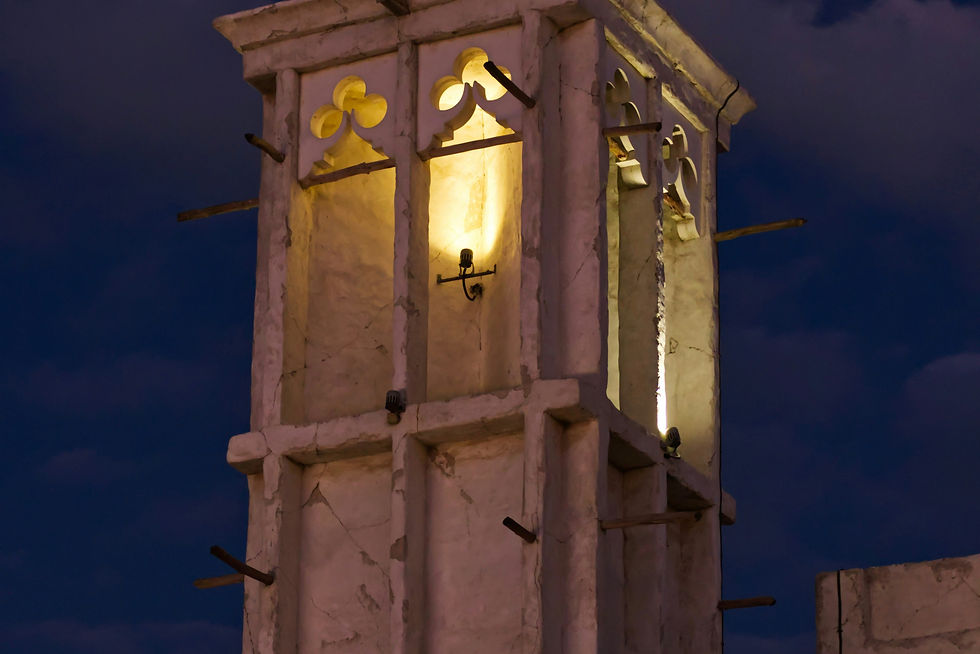
The cool night breeze off the Arabian Gulf swept across the wind towers of Al Fahidi as the twilight shadow settled over Dubai's historic district. Sitting under the warm glow of lantern-lit courtyards with a hot cup of karak chai, I listened to old local tales that have echoed across the UAE for generations.
With the premiere of the new Emirati horror television series Kaa'inaat, those legendary ghost stories and desert myths are coming to life on screen like never before. As a long-time resident, delving into local folklore reveals a rich cultural tapestry filled with mysterious spirits, ancient warnings, and desert lore that every UAE resident and visitor should understand.
The Phenomenon of Kaa'inaat: Bringing Emirati Horror to the Screen

The arrival of Kaa'inaat marks a groundbreaking milestone in regional television, pushing Emirati storytelling into the psychological and supernatural horror genre. Rather than relying on generic Hollywood tropes, the series taps deeply into authentic Arabian Gulf oral traditions, resurrecting local myths that grandmothers used to whisper to children in coastal villages and desert oases.
Watching the premiere episodes, what stands out most is how atmospheric cinematography blends modern UAE architecture with haunting, untouched desert landscapes. The narrative weave does not just aim to terrify—it serves as a cultural archive, documenting folklore that was once strictly preserved through spoken word before rapid urbanization transformed the Emirates.
Umm Al Duwais: The Most Famous Female Jinn in UAE Lore
At the heart of Emirati folklore stands Umm Al Duwais, perhaps the most iconic supernatural entity in local legend and a prominent presence throughout Kaa'inaat. Described in traditional tales as a stunningly beautiful woman exuding intoxicating perfume, she lulled unsuspecting travelers into the desert at night. However, beneath her alluring guise lay sharp scythes for arms and palm-frond feet.
Historically, elders used the story of Umm Al Duwais as a cautionary parable to keep young men from wandering into treacherous desert dunes after midnight. In Kaa'inaat, her character is reinterpreted with psychological depth, portraying her not merely as a monster, but as a complex symbol of temptation, desert survival, and mysterious natural forces.
_Angel's Tip: When exploring desert camp sites or rural dunes at night, always stay near guided paths—the silence of the sands can make any whisper sound deceptively close._
Bu Daryah: The Fearful Spirit of the Arabian Gulf Sailors
Before the discovery of oil, the economy of the Trucial States revolved around pearling and seafaring, where sailors faced unpredictable tides and dangerous waters. Out of these maritime hardships emerged the legend of Bu Daryah, a malevolent sea demon known as the 'Lord of the Sea.'
According to maritime folklore featured in Kaa'inaat, Bu Daryah would stalk pearl-diving dhows during quiet midnight watches. He would mimic the cries of a drowning sailor or a distressed crew member, luring merciful fishermen into the dark waters to sink their vessels. The series captures this eerie maritime paranoia with striking tension, reminding viewers of the deep bond and fear Emirati ancestors held for the ocean.
Origin: Born from the dangerous era of pearl diving in the Arabian Gulf
Tactic: Mimics cries of distress to trick sailors into diving overboard
Cultural Meaning: Served as a vital warning against solo night shifts on dhows
Modern Portrayal: Featured in Kaa'inaat as a haunting symbol of ocean mystery
Khyash Gonyah and Bu Sallas: Rural Myths of the Desert Oases
Beyond the coast and major dunes, rural oases in Ras Al Khaimah, Al Ain, and Fujairah have nurtured their own distinct creature myths. Kaa'inaat explores Khyash Gonyah (the sack man), a mysterious wandering figure said to capture those who roamed outside village walls after dusk.
Similarly, the myth of Bu Sallas describes a shadowy spirit with long, needle-like claws that haunted ancient irrigation channels (falaj systems). These legends served practical societal purposes, teaching children to stay close to family compounds and respect the delicate water systems that sustained life in arid environments.
Where to Experience Authentic Emirati Heritage and Folklore in Dubai
If Kaa'inaat leaves you eager to immerse yourself in authentic UAE heritage and story-rich history, Dubai offers several remarkable places to explore local culture firsthand. Visiting historic districts provides fascinating context to the architecture and landscapes depicted in the series.
From traditional wind-tower buildings to dedicated cultural centers, taking a historical walking tour helps bring these traditional narratives to life while deepening your appreciation for Emirati traditions.
Al Fahidi Historical Neighborhood: Explore 19th-century wind-tower houses and narrow alleyways
Sheikh Mohammed Centre for Cultural Understanding (SMCCU): Interactive heritage sessions and storytelling
Heritage Village in Shindagha: Discover pearl diving artifacts and traditional coastal life exhibits
Al Ain Oasis: Walk through ancient UNESCO-listed date palm groves and falaj channels
_Angel's Tip: Book a morning cultural breakfast at Al Fahidi to hear local storytellers share authentic Emirati customs and oral history over fresh logma and Arabic coffee._
Why Modern UAE Audiences Are Embracing Local Horror Storytelling
The overwhelming popularity of Kaa'inaat highlights a major evolution in regional entertainment: a growing desire for homegrown stories rooted in authentic Gulf identity. For years, cinema screens across the region were dominated by Western or East Asian horror traditions, but local creators are proving that Arabian folklore possesses unmatched narrative potential.
By blending traditional oral storytelling with high-production visual effects, series like Kaa'inaat bridge the gap between older generations who grew up listening to these tales and younger digital audiences seeking thrilling, culturally relevant drama.
FAQ
What is the Emirati horror series Kaa'inaat about?
Kaa'inaat is an Emirati horror television series that explores traditional UAE folklore, urban legends, and supernatural myths such as Umm Al Duwais and Bu Daryah through a modern narrative framework.
Who is Umm Al Duwais in UAE folk tales?
Umm Al Duwais is one of the most famous figures in Emirati folklore, described as a beautiful female jinn with palm-frond feet and scythes for arms who lured late-night travelers in the desert.
Are Emirati folk tales based on real places in the UAE?
Many Emirati folk tales originated in real historical settings across the UAE, including pearl-diving routes in the Arabian Gulf, desert oases in Al Ain, and mountain passes in Ras Al Khaimah.
Where can I learn more about traditional Emirati culture in Dubai?
You can explore traditional Emirati culture at the Al Fahidi Historical Neighborhood, the Sheikh Mohammed Centre for Cultural Understanding (SMCCU), and the Al Shindagha Museum in Dubai.
Useful Links
Dubai Culture & Arts Authority · Visit Dubai Cultural Guide · Abu Dhabi Culture · Sheikh Mohammed Centre for Cultural Understanding · The National UAE Culture · IMDB Series Database
Pair It With

— Angel Tyagi, Creator of Angel In Dubai
Prices, timings and availability may change — always check directly with the venue before visiting. Not sponsored.
Photo by aboodi vesakaran via unsplash, Photo by Dean Zhang via unsplash, Photo by Acy Ian Malimban via unsplash


Comments