


Highest Dividend Paying Stocks on the DFM: The 2026 Expat Guide to Dubai Equity Yields
Standing by the digital ticker display inside the Dubai Financial Market trading hall at the World Trade Centre, I watched buy orders flood the screen after the benchmark index added over four billion dirhams in a single trading week. Institutional desks and private family offices were rotating capital away from slowing fixed deposit yields and channeling it into dividend-paying blue chips with proven quarterly cash distributions.
For expatriates living in the UAE, the local equity exchange provides a compelling mechanism to generate recurring cash flow without personal tax erosion. With banking leaders expanding net interest income and state utility monopolies bound by statutory minimum dividend pledges, building a dividend portfolio on the DFM in 2026 requires understanding yield sustainability, payout governance, and settlement mechanics.
At a glance | Details |
|---|---|
Average Blue-Chip Yield | 5.5 to 7.0 percent |
Market Dividend Pool | Over AED 18 billion |
Local Withholding Tax | Zero percent for individuals |
Settlement Mandate | Within 30 days of AGM |
Top Banking Yields | 6.2 to 6.8 percent |
Data Benchmark | Current as of September 2026 |
Dubai Financial Market Dividend Landscape in 2026
According to trading bulletins published by Dubai Financial Market as of September 2026, total cash dividend distributions reached an annualized volume exceeding AED 18 billion. The exchange has evolved into one of the highest-yielding equity venues across the Middle East, driven by robust corporate profitability in the financial, real estate, and municipal infrastructure sectors. While global equity indices often trade at dividend yields below two percent, DFM large-cap equities routinely deliver distributions between five and seven percent. All yield figures and historical metrics remain indicative — verify with your broker or the exchange before initiating trades. This overview is for educational purposes only; this is not financial advice, and past dividend payouts do not guarantee future distributions.
Ticker | Yield | Payout |
|---|---|---|
EMIRATESNBD | 6.2 percent | Annual cash distribution |
DIB | 6.8 percent | Annual cash distribution |
DEWA | 5.8 percent | Semi-annual guaranteed policy |
DU | 6.1 percent | Semi-annual cash distribution |
TECOM | 6.5 percent | Semi-annual dividend payout |
Banking Blue Chips Driving High Cash Distributions
National banking institutions listed on the DFM represent the foundation of local dividend generation. Supported by sustained economic expansion and disciplined lending margins, major UAE commercial banks maintain substantial retained earnings that translate directly into substantial cash payouts for shareholders.
Emirates NBD Capital Strength and Payout History
Annual corporate filings from banking giant Emirates NBD show an approved cash dividend of AED 1.20 per share, delivering an indicative trailing yield of 6.2 percent as of September 2026. The institution benefits from an expansive regional retail footprint and diversified fee income streams across corporate banking and treasury divisions. Quarterly prudential reports from the Central Bank of the UAE indicate that capital adequacy ratios across national lenders stood at nineteen percent as of September 2026, well above statutory international minimums.
Dubai Islamic Bank Yield Performance and Liquidity
Financial statements released by Islamic institution Dubai Islamic Bank confirm a cash dividend distribution of AED 0.45 per share, representing an indicative dividend yield of 6.8 percent as of September 2026. As the largest Islamic bank in the emirate, its conservative asset quality and expanding real estate financing portfolio support consistent annual dividend distributions. Shareholder yields remain indicative — verify with the bank directly before making investment decisions.
Banking blue chips on the DFM have historically served as the cornerstone of my passive cash flow strategy because their capital adequacy buffers cushion dividend distributions during market swings.
Utilities and Infrastructure Dividend Champions
Beyond commercial banking, privatised government-related entities provide dividend visibility through formalized shareholder distribution policies. These enterprises operate essential services with inelastic consumer demand across Dubai, insulating operational cash flows from broader macroeconomic cycles.
Sovereign Asset Monetisation and Dividend Pledges
Dubai utility champion DEWA established a precedent during its public listing by enshrining minimum dividend floors into its prospectus guidelines. The company distributes dividends twice yearly in April and October, giving income-focused investors dependable semi-annual cash receipts.
Commercial Real Estate and Logistics Yields
Business park operator TECOM Group channels occupancy revenues from major free zones including Dubai Internet City and Dubai Media City into cash dividends. The defensive nature of multi-year corporate leases delivers consistent underlying cash flow regardless of short-term residential property swings.
DEWA maintains an annual minimum dividend commitment of AED 6.2 billion distributed semi-annually as of September 2026
TECOM Group operates business district assets with long-term commercial lease occupancy supporting steady dividend payouts
Telecom operator Du provides regular interim and final cash dividends funded by recurring mobile and enterprise connectivity contracts
Parkin and Salik offer toll and parking infrastructure cash flow backed by statutory concession agreements with Dubai authorities
Tax-Free Passive Income Rules for UAE Expats

One of the most powerful wealth-accumulation factors for UAE residents is the complete absence of personal dividend taxation at the federal level. While investors in European or North American markets routinely surrender twenty to forty percent of their gross dividend income to withholding taxes, Dubai equity investors retain their entire distribution.
Federal Corporate Tax Exemption on Individual Dividends
Tax residency guidelines issued by the Federal Tax Authority establish that cash dividends paid by domestic companies to individual retail investors are exempt from personal income tax as of September 2026. Expatriate investors holding UAE tax domicile certificates receive payments without domestic deductions, though international expatriates must review home-country reporting requirements.
Currency Peg Stability for Expat Remittances
Because the UAE dirham is pegged to the US dollar at a fixed rate of 3.6725, expatriates earning dirham dividends avoid currency depreciation risk when funding dollar-denominated expenses. This structural currency stability makes local high-yield shares an attractive cash alternative.
Receiving gross dirham dividend payouts directly into an investment account without local withholding tax deduction is one of the most compelling structural advantages of investing in Dubai equities.
How to Build a DFM Dividend Portfolio
Starting an equity dividend portfolio in Dubai involves a streamlined digital setup that takes less than forty-eight hours from identity verification to executing your first share purchase. Regulated platforms enable instant onboarding through federal identity infrastructure.
Digital Verification and National Investor Numbers
Investor onboarding standards outlined on the UAE Government Portal mandate digital identity verification via UAE Pass to obtain an investor number as of September 2026. This centralized identifier tracks all equity holdings and automates shareholder voting rights.
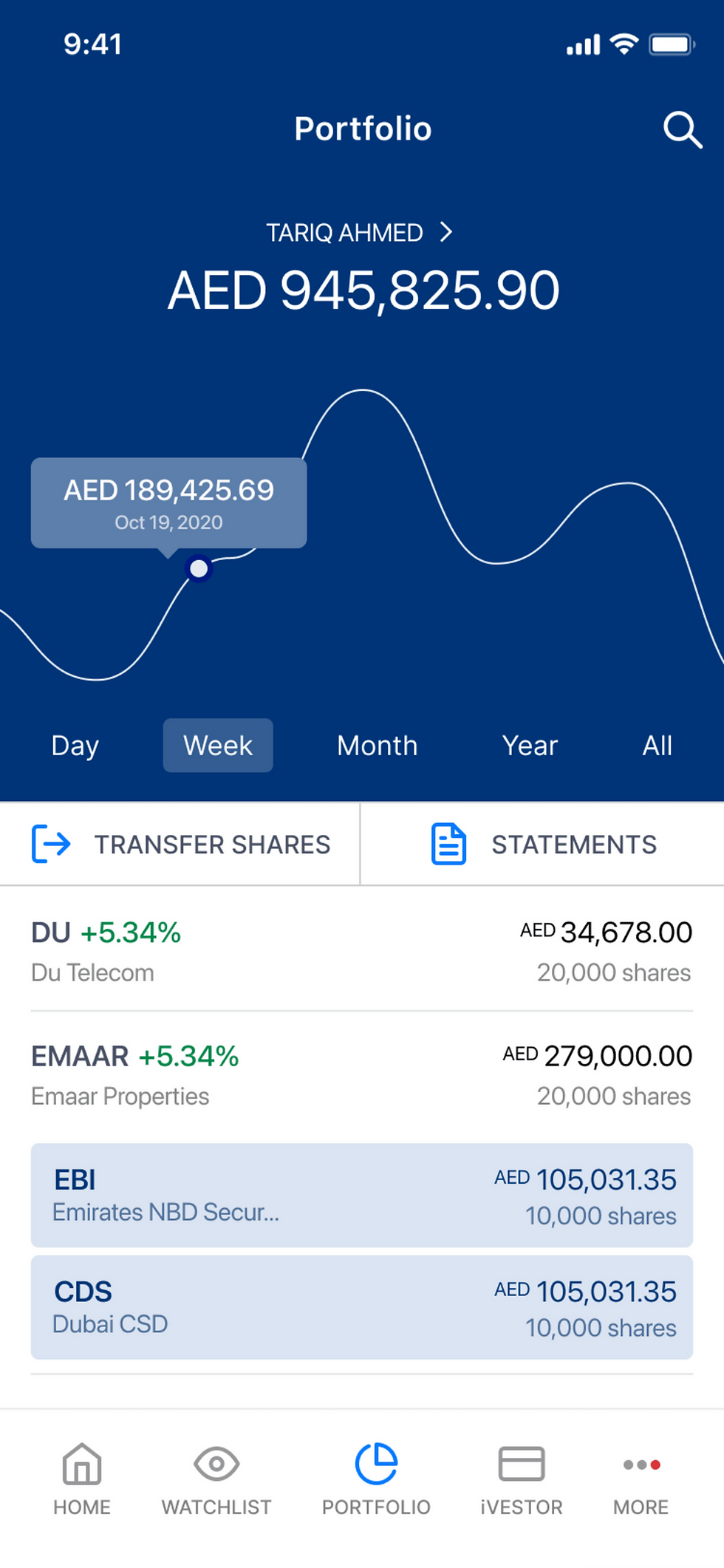
Download the official DFM mobile application and complete digital identity verification via UAE Pass to issue your National Investor Number as of September 2026.
Open a trading account with a securities brokerage firm licensed by national financial market authorities.
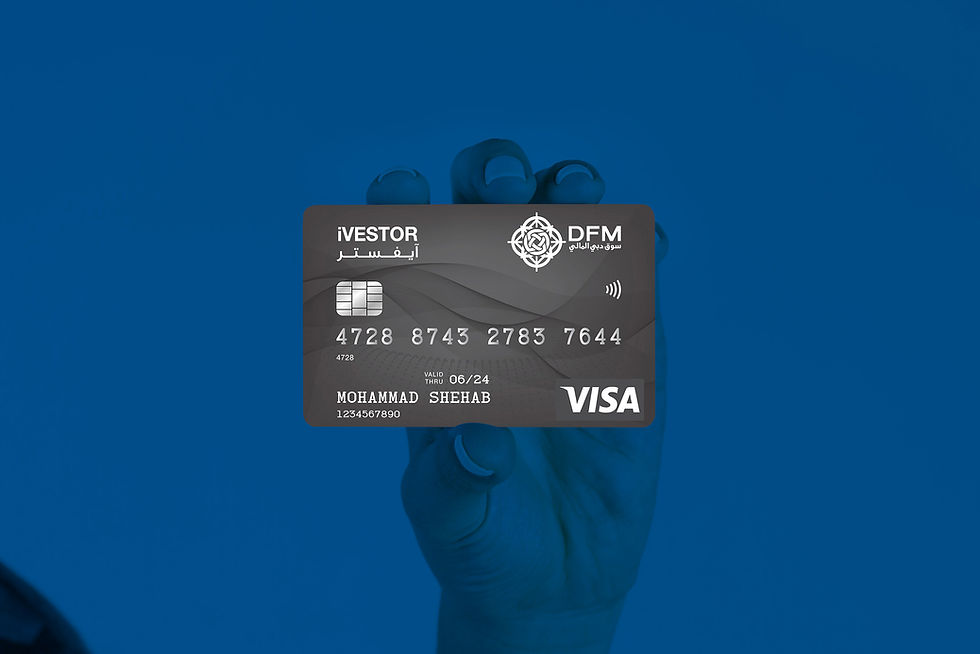
Link your verified bank account or apply for a DFM iVestor card to enable direct automated dividend deposits.
Screen candidate equities based on five-year payout histories, cash flow coverage ratios, and trailing dividend yields.
Execute market buy orders through your trading portal and confirm share custody settlement within two business days under standard clearing rules.
Dividend Distribution Timelines and Ex-Dividend Trading
Timing your equity purchases around corporate distribution announcements requires strict adherence to international clearing schedules. Missing a key settlement deadline can disqualify an investor from receiving an entire annual or semi-annual cash payout.
Statutory Payment Window Requirements
Official market governance circulars from the Securities & Commodities Authority require public joint stock companies to settle approved dividends within thirty days of the annual general meeting as of September 2026. This strict statutory deadline prevents long payment deferrals and ensures rapid capital delivery to retail investors.
Declaration Date: The board of directors formally recommends the dividend quantum and submits it for annual general meeting approval
Annual General Meeting: Shareholders vote on the proposed distribution and ratify the formal payment schedule
Ex-Dividend Date: The trading day on which newly purchased shares no longer carry the right to receive the declared dividend
Record Date: The closing date when the exchange registry confirms eligible shareholders entitled to dividend settlement
Payment Date: The scheduled transfer of funds into investor bank accounts or electronic dividend cards
FAQ
Do foreign expats pay tax on DFM stock dividends in Dubai?
No, the UAE does not levy personal income tax or dividend withholding tax on cash distributions paid by DFM-listed companies to individual retail investors as of September 2026. However, foreign nationals must consult their home country tax laws, as some jurisdictions tax worldwide investment income regardless of residency.
How often do DFM companies pay out dividends?
Most traditional banking blue chips on the DFM distribute dividends annually following their first-quarter annual general meetings. However, infrastructure and utility entities such as DEWA, Du, and TECOM distribute cash dividends semi-annually in two scheduled installments.
What is the minimum investment required to buy dividend shares on the DFM?
There is no statutory minimum capital threshold to begin investing on the DFM, as shares trade in board lots of a single share as of September 2026. Investors can acquire fractional positions or start with small allotments, though broker commission minimums typically make trades of AED 5,000 or more cost-effective.
How are cash dividends delivered to retail investors in the UAE?
Cash dividends are paid directly into the investor's designated UAE bank account via direct electronic transfer or credited onto a DFM iVestor prepaid card. The exchange automated dividend distribution system eliminates physical cheques, depositing funds directly on the designated settlement date.
Useful Links
Dubai Financial Market — View official DFM market disclosures and data
Emirates NBD — Review Emirates NBD shareholder dividend history
Central Bank of the UAE — Access central bank banking performance reports
Dubai Islamic Bank — Inspect Dubai Islamic Bank investor relations
Federal Tax Authority — Verify individual tax exemption rules
UAE Government Portal — Check UAE Pass investor setup procedures
Securities & Commodities Authority — Check UAE market regulator disclosure rules
Pair It With

— Angel Tyagi, Creator of Angel In Dubai
Prices, timings and availability may change — always check directly with the venue before visiting. Not sponsored.
Story lead: Emirates 24|7. Reporting can be updated or withdrawn after publication — always check the original before relying on anything here.
Rates and figures are indicative and were correct as of 27 September 2026; they change often, so verify with the provider before acting. This is general information, not financial advice.
Rules, fees and deadlines change often. This is a general summary, not legal advice — confirm with the relevant UAE authority before acting.
Photo by Dubai Financial Market (DFM) Added to Diversiview via web, Photo by DFM Investor Card on Behance via web, Photo by AI-generated illustration via gemini


Comments