


How to Buy UAE Bank Green Bonds: Expat Fixed Income Guide 2026
Sitting across the polished marble desk at a private banking suite in Downtown Dubai, my relationship manager handed me a term sheet that looked noticeably different from the usual dollar certificates of deposit. Right at the top, printed in clean navy letters, was a CHF 150 million green bond tranche issued by Emirates NBD, carrying a tight coupon denominated in Swiss Francs alongside its regular USD debt.
For years, expat fixed-income conversations in the Emirates revolved almost entirely around standard bank fixed deposits or high-yield savings accounts. Today, as regional institutions deploy billions into clean energy and sustainable infrastructure, senior green bonds offer affluent residents a way to lock in investment-grade secondary yields while building a genuine ESG debt allocation.
At a glance | Details |
|---|---|
Minimum ticket | USD 200,000 for wholesale lots or USD 1,000 via bond funds as of October 2026 |
Secondary yields | 4.85% to 5.40% indicative on senior USD bank debt as of October 2026 |
Featured issuance | Emirates NBD CHF 150 million green bond maturing 2028 |
Primary listing | Nasdaq Dubai in DIFC and SIX Swiss Exchange |
Where to buy | Licensed SCA brokers, DIFC private banks, or Saxo Bank and Interactive Brokers |
Understanding UAE Bank Green Bonds and Multi-Currency Debt

Green bonds issued by United Arab Emirates financial institutions represent senior, unsecured fixed-income debt created specifically to finance environmentally verified projects. Under this mechanism, the issuing bank pledges to ring-fence borrowed funds exclusively for qualified green assets, ranging from utility-scale solar generation to certified energy-efficient commercial real estate across Dubai and Abu Dhabi. While sovereign entities like the Abu Dhabi government have long issued benchmark paper, commercial lenders have rapidly expanded their sustainable balance sheets to meet global institutional demand as of October 2026.
Disclosures published on the official investor portal of Emirates NBD show that proceeds from its CHF 150 million green tranche directly refinance solar projects and certified green buildings in Dubai. The landmark Swiss Franc placement surprised many regional investors who expected another standard dollar offering. By tapping the Swiss market, local banks diversify their funding sources beyond the Gulf, access European capital pools hungry for high-grade ESG assets, and capture lower underlying interest rate benchmarks in Europe as of October 2026, source: Emirates NBD investor relations.
Framework guidelines drafted by the International Capital Market Association require UAE bank issuers to publish annual second-party impact verification. These formal audit reports verify that money raised through sustainable bond sales is not diverted into general corporate overhead or carbon-heavy operations. For expat investors living in the UAE, this external scrutiny provides confidence that their capital delivers measurable environmental progress alongside regular semiannual coupon payments.
Secondary Market Yields and Pricing for Senior Bank Debt
Secondary bond markets in the UAE allow investors to buy existing green paper before maturity, trading through over-the-counter institutional desks or electronic debt platforms. Bond pricing fluctuates based on global interest rate cycles, the remaining duration of the security, and the credit spread demanded for regional banking risk. Because UAE banks maintain investment-grade credit ratings from international agencies, their secondary yields closely track benchmark sovereign debt while offering an incremental spread of 45 to 80 basis points as of October 2026, source: Nasdaq Dubai debt market data.
Daily pricing schedules published by Nasdaq Dubai indicate that investment-grade institutional bonds trade with secondary bid-ask spreads averaging 35 to 60 basis points. Investors evaluating green paper must differentiate between nominal coupon payments and yield to maturity. When a bond trades below par value, the yield to maturity exceeds the stated coupon rate, providing an opportunity to capture both steady income and capital appreciation upon maturity. All secondary market figures remain indicative — verify with the issuing bank or broker.
Issuer | Currency | Indicative Yield |
|---|---|---|
Emirates NBD 2028 | CHF | 2.15% as of Oct 2026 |
First Abu Dhabi 2029 | USD | 5.10% as of Oct 2026 |
Dubai Islamic 2028 | USD | 5.25% as of Oct 2026 |
Locking in senior bank debt allows expat portfolios to hedge against interest rate cuts, but currency matching matters just as much as nominal coupon.
Three Ways Retail and Affluent Expats Can Buy UAE Green Debt
Participating in UAE sustainable debt requires selecting the right access route based on your liquid capital and investment horizon. Institutional green debt traditionally caters to large pension funds and sovereign asset managers, but modern brokerage infrastructure in the UAE now accommodates affluent expat individuals. Choosing between direct ownership and pooled instruments determines your minimum required capital, execution costs, and administrative custody fees as of October 2026, source: UAE brokerage fee schedules.
Investor advisories issued by the Securities & Commodities Authority remind UAE residents to execute bond orders exclusively through licensed brokerage firms. Working with authorized entities ensures that your fixed-income securities are held in segregated custody accounts and protected under domestic capital market regulations.
Direct Wholesale Lots via UAE Wealth Management Desks
Affluent expatriates with premier banking status can purchase whole bond certificates directly through the wealth management divisions of major UAE banks like Emirates NBD, FAB, or Mashreq. Standard institutional bond tranches trade in minimum denominations of USD 200,000 or CHF 100,000 as of October 2026, source: UAE bank private desks. Direct ownership grants you legal title to the individual bond certificate, fixed semiannual coupon payouts directly into your multi-currency account, and complete control over when to sell in the secondary market.
Retail Access via Regulated Digital Brokerages and Funds
Expats seeking exposure with smaller sums can access fractional bonds or UCITS fixed-income funds through international trading platforms such as Saxo Bank or Interactive Brokers. These licensed brokers allow retail investors to purchase smaller increments of high-grade regional debt or buy shares in emerging-market ESG exchange-traded funds holding UAE bank paper. Minimum initial investments on digital platforms frequently start at USD 1,000 as of October 2026, indicative — verify with your broker, making sustainable debt accessible without committing six-figure sums.
Step-by-Step Guide to Purchasing UAE Green Bonds

Executing a secondary market bond trade in the UAE follows a structured settlement protocol that differs from purchasing listed equities on an app. Because secondary debt transactions clear over the counter, working closely with your relationship manager or licensed broker ensures accurate price discovery and timely custody delivery. Expect the entire onboarding and settlement process to take between three and seven business days from initial inquiry to final trade confirmation as of October 2026, source: DIFC wealth desk protocols.
Open an investment custody account with an SCA-licensed brokerage firm or through your UAE bank wealth management division.
Submit compliance documentation including your valid Emirates ID, passport, UAE residence visa, and verified proof of address.
Select your preferred currency denomination between USD-pegged paper and non-pegged debt such as Swiss Franc or Euro tranches.
Request the specific bond ISIN code and review the issuer prospectus, green verification audit, and current secondary market bid-ask spread.
Confirm clean price, accrued interest, and custodian transaction fees before authorizing your fixed-income trading order.
Currency Risks, Trading Liquidity, and Expat Portfolio Allocation
Investing in sustainable fixed-income securities provides predictable cash flows, but expat investors must understand the structural risks unique to multi-currency debt. While green bank bonds carry low default risk due to strong local capital adequacy ratios, interest rate fluctuations and currency swings directly impact total portfolio return. A bond portfolio structured entirely around USD or AED enjoys stability from the currency peg, whereas foreign currency debt introduces unhedged exchange exposure.
Official monetary bulletins from the Central Bank of the UAE reiterate the strict currency peg of 3.6725 Dirhams per US Dollar, creating zero currency risk for USD debt. By contrast, holding Emirates NBD green bonds issued in Swiss Francs introduces foreign exchange volatility against your Dirham living expenses. If the Swiss Franc weakens against the US Dollar before maturity, your coupon payments and returned principal convert into fewer Dirhams, eroding nominal yield as of October 2026, source: Central Bank of the UAE foreign exchange data.
International exchange notices from the SIX Swiss Exchange outline clearing rules and cross-border settlement protocols for foreign currency debt instruments. Expat investors trading European debt must account for cross-border custodian clearing windows and potential timing differences in settlement cycles.
Currency volatility: Swiss Franc issuances fluctuate against the AED, creating foreign exchange gains or losses upon coupon conversion.
Secondary market liquidity: Bank bonds trade over the counter and may require several business days to exit large wholesale positions.
Interest rate duration: Medium-term paper maturing in five to ten years experiences price declines if global central banks maintain restrictive rates.
Custody and safekeeping costs: Bank wealth desks typically levy an annual safekeeping charge of 0.15% to 0.35% as of October 2026, indicative — verify with your custodian.
Do not let an attractive ESG label distract from currency exposure; holding Swiss Franc debt without an underlying CHF liability means taking active currency risk against your Dirham income.
Tax Considerations and UAE Regulatory Protections for Expat Investors
One of the primary benefits of investing in UAE fixed income is the favourable local tax environment for expatriate residents. Personal investment income earned by individuals residing in the UAE remains fully exempt from domestic direct taxation. This stands in contrast to European or North American jurisdictions where bond coupon distributions face steep progressive income tax rates as of October 2026, source: UAE tax advisory summaries.
Guidance documents released by the Federal Tax Authority confirm that natural persons residing in the UAE pay zero percent personal income tax on investment coupons and capital gains. However, expat investors who maintain tax residency or citizenship in jurisdictions with worldwide tax regimes, such as the United States or the United Kingdom, must account for foreign reporting requirements on offshore interest distributions.
Official investor guides on the UAE Government Portal specify that individual foreign nationals can hold fixed-income securities without local sponsorship. This regulatory clarity, combined with strict anti-money laundering and consumer protection frameworks enforced by federal regulators, provides a secure environment for expatriate wealth preservation.
All yields, minimum tickets, and fee schedules cited across this guide are as of October 2026, indicative — verify with the issuing bank or broker. This post is for informational purposes only; this is not financial advice, and past coupon distributions never guarantee future investment returns.
FAQ
Can retail investors buy UAE green bonds with small sums under USD 10,000?
Direct institutional wholesale lots require minimum commitments of USD 200,000 or CHF 100,000. However, individual expats can gain fractional exposure starting from USD 500 through regulated international brokerages or by purchasing UCITS exchange-traded funds holding regional sustainable debt as of October 2026.
Are coupon payments from UAE bank green bonds subject to local withholding tax?
The UAE imposes zero percent withholding tax on coupon payments remitted to domestic or foreign individual investors as of October 2026. Non-resident expats should check their tax obligations in their home countries, as cross-border interest income may trigger foreign tax reporting.
What happens if an issuing bank fails to allocate proceeds to green projects?
Failing to allocate funds to certified sustainable assets causes the debt instrument to lose its green bond label under ICMA principles, but it does not trigger a financial default. The issuing bank remains legally bound to honour all scheduled coupon payments and return full principal at maturity.
How does currency risk affect UAE green bonds issued in Swiss Francs?
Because the UAE Dirham is pegged to the US Dollar rather than the Swiss Franc, holding CHF-denominated bonds creates foreign exchange exposure. If the Swiss Franc depreciates against the Dollar before maturity, your coupon conversions and principal return yield fewer Dirhams in Dubai as of October 2026.
Useful Links
Emirates NBD — inspect green bond framework and allocation reports
International Capital Market Association — review green bond principles and taxonomy
Nasdaq Dubai — check secondary bond quotes and listings
Securities & Commodities Authority — verify broker and custodian financial licenses
Central Bank of the UAE — check official base rates and peg
SIX Swiss Exchange — review Swiss market clearing and listings
Federal Tax Authority — review UAE individual and corporate tax guides
UAE Government Portal — read official expat investment and residency rights
Pair It With

— Angel Tyagi, Creator of Angel In Dubai
Prices, timings and availability may change — always check directly with the venue before visiting. Not sponsored.
Story lead: Zawya. Reporting can be updated or withdrawn after publication — always check the original before relying on anything here.
Rates and figures are indicative and were correct as of 2 October 2026; they change often, so verify with the provider before acting. This is general information, not financial advice.
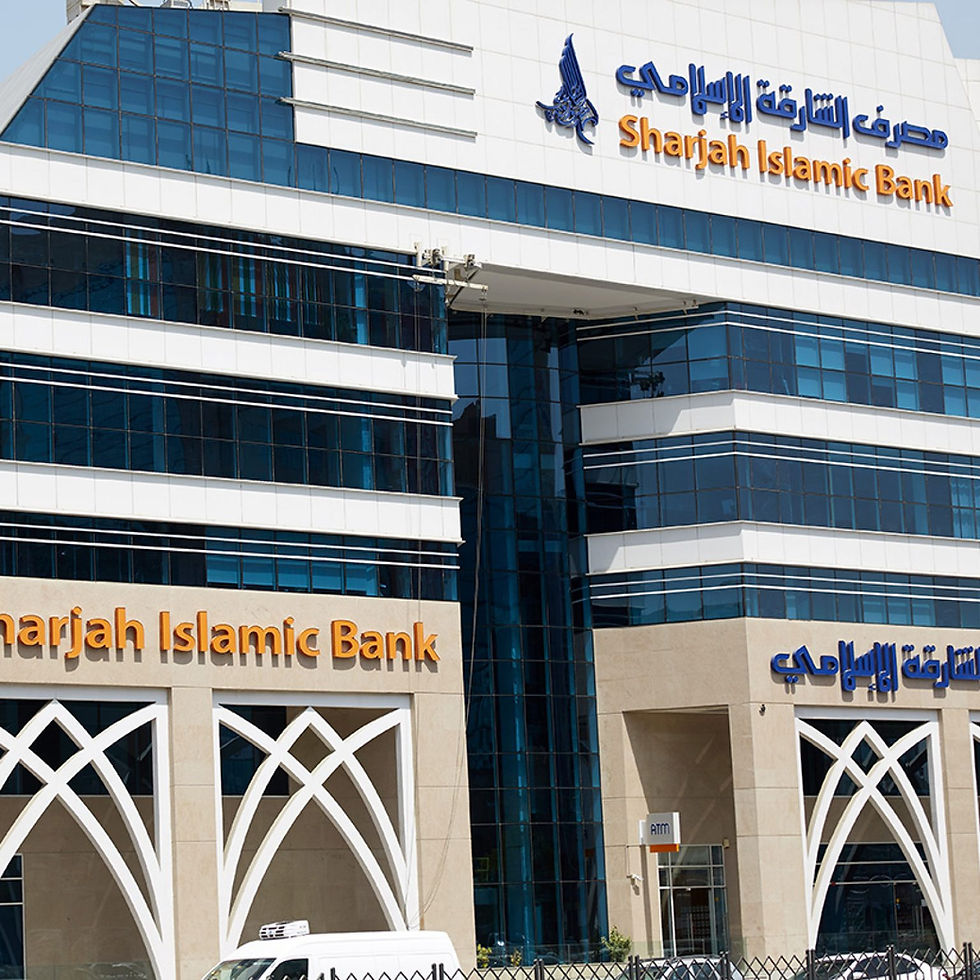
Photo by Emirates Nbd Bank Locations In Sharjah City – BGHT via web, Photo by Nasdaq Dubai - Nasdaq Dubai Welcomes USD 500 million Sukuk by the ... via web, Photo by AI-generated illustration via gemini


Comments