


How to Fix Fogged iPhone and Smartphone Camera Lenses in UAE Humidity: 2026 Guide
Stepping out of the nineteen-degree chill of Dubai Mall onto the promenade by Burj Lake in mid-October feels like hitting a physical barrier of ninety percent humidity. I raised my iPhone to capture the fountain show, only to find the viewfinder obscured by a thick, milky haze that ruined every single shot.
Within forty seconds, microscopic moisture had settled over the exterior glass and seeped toward the camera housing. If you live anywhere along the UAE coast, you recognise this sudden frustration when a premium smartphone camera becomes unusable right when you need it most.
At a glance | Details |
|---|---|
Peak humidity | 80% to 95% in October |
Silica desiccant | AED 25 to 45 per pack |
Drying duration | 24 to 48 hours sealed |
Apple repair cost | AED 580 to 920 |
Official service | Apple Store Dubai Mall |
Why October Humidity Blinds Dubai Smartphone Cameras
October represents a severe seasonal transition across the Emirates, where outdoor temperatures still hover near thirty-eight degrees Celsius while coastal air holds staggering amounts of water vapour. Stepping outside after hours inside an eighteen-degree air-conditioned office or apartment creates an instant thermal clash.
According to weather bulletins from the National Center of Meteorology, morning relative humidity along coastal Dubai routinely tops ninety percent between September and November. When cold phone glass encounters warm saturated air, water vapour condenses across the surface instantly, rendering modern computational photography completely helpless.
The Thermal Shock and Dew Point Trap
Condensation occurs when the temperature of your phone exterior drops below the ambient dew point. In typical Dubai autumn weather, a glass and aluminium phone chilled to nineteen degrees reaches the dew point in less than twenty seconds outdoors, producing immediate fog across all three camera lenses.
Exterior Fog Versus Internal Moisture
Exterior fog forms on the outer sapphire crystal and wipes away cleanly with a microfibre cloth. Internal condensation, however, manifests as a milky circle or tiny beads trapped beneath the lens cover, proving that moisture has penetrated the phone protective perimeter seal.
Immediate Steps When Your Camera Lens Fogs Up Outdoors
The initial reaction for most people is to rub the phone against a linen shirt or hold it in front of a car air conditioning vent. Doing either can turn temporary fogging into permanent optical and sensor ruin.
Official cleaning recommendations published on Apple Support advise against inserting foreign objects into openings or using compressed air to blow moisture out of the lens chamber. Following a disciplined immediate protocol preserves the delicate lens coatings and internal electronics.
Power off your device immediately or close camera apps to stop the processor from generating internal heat.
Gently wipe the exterior sapphire glass using a clean microfibre cloth without pressing debris into the lens ring.
Allow the phone to rest in a shaded pocket for fifteen minutes so the metal chassis warms to ambient temperature.
Step into an enclosed transitional space like a building lobby rather than standing in direct outdoor humidity.
Never blast a fogged phone with your car AC vent, because sudden cold shock pulls residual moisture deeper into the optical assembly.
Desiccants Versus Rice: Safe Ways to Clear Moisture
Placing a damp phone into a bowl of raw kitchen rice is an outdated myth that causes more damage than good. Rice starch creates a powdery paste when mixed with moisture, clogging speaker grilles, charging ports, and microphone ports without drawing out deep optical humidity.
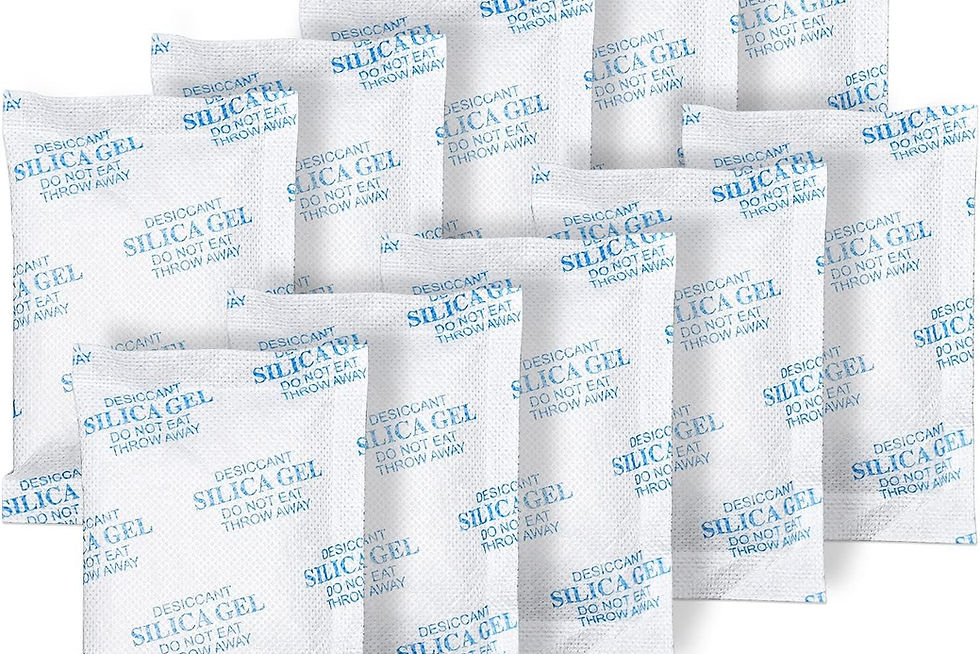
Hardware documentation provided across the Samsung Gulf Support knowledge base confirms that internal lens condensation requires professional inspection when moisture droplets persist beyond twenty-four hours. Commercial silica gel packets and purpose-built dry boxes represent the only reliable DIY extraction methods.
Drying Agent | Lens Safe | Moisture Rate |
|---|---|---|
Silica gel | Yes completely safe | High absorption speed |
Uncooked rice | No releases dust | Poor slow extraction |
Sealed drybox | Yes optimal gear | Maximum continuous extraction |
How Extreme Heat and Moisture Erode Phone Water Resistance

Modern smartphones boast IP68 water resistance ratings, leading many owners to believe their devices are impervious to Gulf weather. In reality, factory water seals rely on delicate pressure-sensitive adhesives that deteriorate rapidly under the harsh thermal conditions of the United Arab Emirates.
Leaving a phone on a vehicle dashboard where temperatures easily exceed sixty degrees softens adhesive boundaries around camera modules. Once those seals loosen, airborne humidity and fine saline coastal mist penetrate the interior chassis with every outdoor excursion.
The Myth of Permanent IP68 Ratings
Consumer electronics ratings such as IP68 indicate protection against fresh water immersion under brand-new laboratory conditions. In the United Arab Emirates, daily cycling between refrigerated twenty-degree indoor environments and forty-degree outdoor air with high salinity degrades synthetic adhesives within eight to twelve months.
Vulnerabilities of Modern Periscope and Telephoto Modules
Flagship devices featuring 5x optical tetraprism or periscope lenses rely on intricate mechanical prisms suspended on miniature magnetic tracks. When humidity condenses on internal prism mirrors, it creates permanent fungal blooming or prism clouding that simple surface drying cannot rectify.
Repeated exposure to forty-degree heat softens adhesive gaskets surrounding the rear camera bump.
Direct sun exposure on car windscreens elevates internal phone chassis temperatures past fifty degrees.
Airborne coastal salt particles settle into speaker meshes and degrade the acoustic membrane seal.
Persistent water vapour inside the camera chamber corrodes the copper coils that stabilise the sensor.
Dubai Repair Centers, Warranty Rules, and Replacement Costs
When moisture droplets remain trapped behind your camera glass after forty-eight hours of desiccant treatment, professional intervention becomes unavoidable. Continuing to shoot video with wet internal optics risks short-circuiting the image sensor or corroding optical image stabilisation electromagnets.
Walking up to the Genius Bar at Apple Store Dubai Mall often reveals that visible internal droplets mean replacing the entire rear triple-camera module rather than simple drying. Independent authorised service providers such as ABM Care in Al Barsha offer official diagnostics and optical module replacements using genuine manufacturer parts.
Consumer warranty standards published on the UAE Government Portal require commercial repair centers to provide written itemised quotes before replacing damaged smartphone hardware. While third-party workshops in Deira offer cheaper camera glass replacement, unauthorised repairs invalidate water resistance and risk camera software calibration errors.
Service Center | Typical Cost | Turnaround Time |
|---|---|---|
Apple Store | AED 580 to 920 | Same day pickup |
Authorised repair | AED 520 to 890 | One to two days |
Deira shop | AED 250 to 450 | Two to three hours |
If the internal liquid contact indicator has turned bright pink, ultrasonic cleaning by unauthorised technicians rarely saves optical image stabilisation coils.
Daily Prevention Habits for Creators and Residents in the UAE
Preventing lens condensation requires simple adjustments to how you carry and store your phone during humid transition months. Content creators and photographers working across Dubai Marina, Palm Jumeirah, and Downtown can maintain pristine lenses without missing crucial golden hour lighting.
Developing an acclimation habit protects internal seals and ensures your camera sensors remain crystal clear whenever you move between indoor air conditioning and outdoor heat.
The Ten-Minute Bag Buffering Technique
Instead of whipping your smartphone out the moment you step onto a terrace or pool deck, leave it zipped inside your handbag or backpack for ten minutes. The ambient air inside the bag warms the phone chassis gradually, preventing the sudden surface temperature drop that triggers instant condensation.
Essential Storage Kits for Beach Days and Boat Trips
Retail electronics service counters operated by Sharaf DG across major shopping centers stock airtight dry pouches and replacement camera protective glass. Keeping an emergency microfibre cloth and a sealed twenty-gram silica packet in your vehicle glove compartment ensures you can treat damp equipment before permanent oxidation occurs.
FAQ
Can I use a hairdryer on a fogged iPhone camera lens?
Applying direct hot air from a hairdryer melts the rubber perimeter gaskets that seal your camera housing, making future moisture ingress worse. It also risks baking internal mineral residue onto the optical elements. If you must use airflow, choose a fan on room-temperature cool air positioned thirty centimetres away.
Does iPhone camera lens condensation void the Apple warranty in the UAE?
Yes, Apple limited warranty explicitly excludes damage caused by liquid and condensation. When internal moisture triggers the Liquid Contact Indicator inside the SIM tray or logic board, repair technicians classify the device as liquid-damaged, requiring an out-of-warranty replacement fee unless covered by AppleCare Plus.
How long does silica gel take to remove moisture from inside a phone camera?
Sealing your smartphone inside an airtight zip-lock bag with at least fifty grams of fresh silica gel packets takes twenty-four to forty-eight hours to pull out microscopic condensation. Do not open the bag prematurely, as ambient coastal humidity will immediately rush back in.
Why does my camera lens fog up from the inside and not the outside?
Internal fogging indicates that ambient moisture has already breached the device water-resistant adhesive seal. When the phone exterior warms up outdoors while the interior stays cold, moisture vapour trapped inside condenses on the coolest interior glass element directly over the camera sensor.
Useful Links
National Center of Meteorology — daily UAE coastal humidity and weather alerts
Apple Support — official smartphone liquid and condensation advice
Samsung Gulf Support — Galaxy camera condensation and warranty advice
Apple Store Dubai Mall — Genius Bar hardware diagnostics and appointments
ABM Care — authorized Apple repairs in Al Barsha
UAE Government Portal — consumer protection rules for electronic repairs
Sharaf DG — retail tech accessories and repair counters
Pair It With

— Angel Tyagi, Creator of Angel In Dubai
Prices, timings and availability may change — always check directly with the venue before visiting. Not sponsored.
Story lead: gulfnews.com. Reporting can be updated or withdrawn after publication — always check the original before relying on anything here.
Photo by Why Does My Phone Camera Lens Fog Up Indoors And How To Fix It via web, Photo by TYCA Silica Gel Packs - 10Pcs 20Gram Moisture Absorbers, Premium ... via web, Photo by web via web


Comments