


How to Start an E-Commerce Business in the UAE: 2026 License Costs and Setup Guide
Standing inside an empty logistics warehouse in Dubai CommerCity with a fresh business plan in hand, I remember calculating the exact setup costs required to launch a digital store in the UAE. In 2026, the local e-commerce landscape is expanding at record pace, but navigating licensing paths, payment processor transaction cuts, and last-mile delivery rates demands absolute fiscal clarity.
Whether you plan to sell boutique ceramics from home or import consumer electronics for regional distribution, choosing between a mainland Department of Economy and Tourism permit and a dedicated free zone license shapes your operational overhead from day one.
At a glance | Details |
|---|---|
E-Trader fee | AED 1,070 annually as of October 2026 |
Free zone license | AED 12,500 to AED 22,000 as of October 2026 |
Stripe processing | 2.9% plus AED 1.00 as of October 2026 |
Corporate tax | 9% above AED 375,000 as of October 2026 |
Issuing authority | Dubai Economy and Tourism (DET) |
Choosing Between a DED E-Trader License and a Free Zone Setup

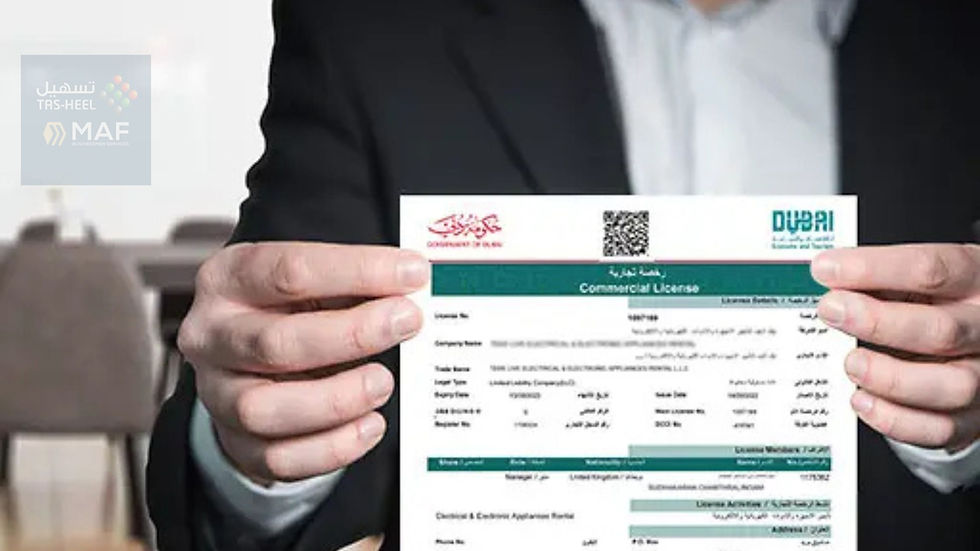
Before selecting your structure, check the Dubai Chamber of Commerce guidelines for official commercial registration rules. An E-Trader license issued by Dubai Economy and Tourism costs AED 1,070 annually as of October 2026, making it an attractive low-cost entry point for home-based solo entrepreneurs. However, strict regulatory limitations apply: foreign expatriates can only utilize the E-Trader license for professional services, freelance consultancy, or custom artisan handcrafts, whereas commercial physical goods retailing requires UAE or GCC national ownership.
For expatriates seeking to sell physical inventory imported from international suppliers, establishing a dedicated free zone entity remains the primary legal pathway. According to regulatory details on the UAE Government Portal, digital business permits must specify exact commercial trading activities. Setup packages in hubs such as Meydan Free Zone and Dubai CommerCity range between AED 12,500 and AED 22,000 as of October 2026, inclusive of flexi-desk lease agreements and investor visa quotas. All licensing quotations are indicative — verify with the licensing authority and free zone registrar.
Structure | Annual Cost | Activity Scope |
|---|---|---|
DED E-Trader | AED 1,070 | Solo services only |
Meydan Zone | AED 12,500 | Physical goods retail |
CommerCity | AED 18,000 | Dedicated warehouse space |
Testing your digital product concept under a lean licensing framework preserves vital cash reserves before you commit to long-term warehouse leases.
Step-by-Step Application Process for Your Dubai Online Store
Securing your digital trading credentials follows a structured regulatory sequence across municipal and commercial departments. Processing timelines currently average between three to seven business days when identity documentation and corporate name reservations meet local standards. Guidelines published by the federal Ministry of Economy require digital retailers to protect registered trademarks. Following an ordered sequence prevents administrative rejections and costly trade name amendments.
Reserve your commercial trade name through the official Invest in Dubai portal.
Submit passport copies and valid Emirates ID cards to Dubai Economy and Tourism.
Secure an approved flexi-desk lease or physical tenancy agreement for Ejari registration.
Settle the government license issuance voucher through the municipal payment gateway.
Submit corporate documentation to open a dedicated commercial business bank account.
Payment Gateway Comparison: Stripe vs Network International
Customer checkout conversion hinges directly on frictionless payment gateway integration and transparent transaction fee structures. Choosing the right payment gateway partner determines your net margins, settlement cycle timelines, and supported alternative payment methods such as Apple Pay and Tabby.
Stripe UAE Processing Fees and Onboarding
Digital storefronts frequently connect to Stripe because developer tooling enables rapid checkout deployment. For UAE-registered businesses, standard transaction processing costs 2.9% plus AED 1.00 per successful local card charge as of October 2026, while international cards carry an additional 1% cross-border fee. Payouts clear to local corporate bank accounts on a rolling five-business-day schedule, providing consistent liquidity for active inventory restocking. Stated processor fees are indicative — verify with payment providers.
Network International Merchant Solutions
Established enterprises with high monthly sales volumes often negotiate customized rates with regional acquirers like Network International. Processing fees typically average between 1.9% and 2.5% plus AED 0.50 per transaction as of October 2026, subject to monthly transaction thresholds and account setup fees. Direct acquiring relationships also offer specialized multicurrency processing across the wider GCC region.
Warehousing and Last-Mile Delivery Logistics in Dubai

Consumer security directives issued by Dubai Police mandate encrypted payment gateways to prevent fraudulent transactions. Once transactions clear safely, fulfillment operations dictate customer retention. Dubai boasts world-class multimodal logistics corridors spanning JAFZA, Dubai South, and Al Quoz industrial areas.
Domestic delivery networks operated by Emirates Post provide tracked parcel dispatch across all seven emirates. Last-mile courier tariffs for standard next-day parcel delivery currently average AED 18 to AED 28 per parcel under five kilograms as of October 2026. Partnering with localized third-party logistics warehouses eliminates the immediate necessity of leasing individual industrial storage bays.
Connecting automated fulfillment plugins directly into your courier API reduces manual handling errors and keeps customer dispute rates near zero.
UAE Corporate Tax and VAT Rules for Digital Retailers
Operating an e-commerce business requires full compliance with federal tax statutes administered by the Federal Tax Authority. UAE corporate tax applies at a standard rate of 9% on net taxable profits exceeding AED 375,000 as of October 2026, with qualifying small enterprises eligible for Small Business Relief below statutory revenue caps. Value added tax registration becomes mandatory once annual taxable supplies surpass AED 375,000, while voluntary registration begins at AED 187,500 as of October 2026.
Maintaining strict financial governance prevents punitive fines during annual corporate audits. Note that all tax figures and thresholds are indicative — verify with licensing authorities and certified tax consultants. This guide is for informational purposes and is not financial advice.
Segregate all commercial digital merchant receipts into an active corporate bank account.
Retain electronic invoices, merchant receipts, and export documentation for five years.
Submit quarterly VAT returns via the EmaraTax portal whenever sales cross statutory caps.
Complete corporate tax registration prior to the close of your opening financial fiscal year.
Capital Budgeting and Total Launch Costs for Year One
Building a resilient e-commerce enterprise requires a comprehensive financial runway that accounts for upfront licensing, technological infrastructure, and working capital buffers. Underestimating operational burn rate during initial customer acquisition phases remains the primary pitfall for digital founders in the region.
Essential Setup Capital Expenditures
Initial year-one setup outlays typically total AED 22,000 to AED 38,000 as of October 2026, encompassing trade license issuance, flexi-desk lease fees, digital storefront development, and corporate bank account initial deposit requirements. License costs vary depending on the chosen jurisdiction, and figures are indicative — verify with the relevant registrar.
Operating Reserves and Working Capital
Entrepreneurs should preserve a secondary reserve of at least AED 15,000 to AED 25,000 as of October 2026 to cover initial inventory procurement, packaging design, and paid digital search campaigns. Prudent cash flow management ensures your store withstands initial customer acquisition cycles without compromising order fulfillment speed.
FAQ
Can expats sell physical products online using a Dubai E-Trader license?
Expatriates holding a DED E-Trader license are restricted to professional consulting and artisan services. To sell manufactured physical goods online, foreign entrepreneurs must establish a free zone company or a mainland LLC.
Do I need a physical office space to operate an e-commerce business in Dubai?
Mainland trade licenses generally require an Ejari-registered commercial lease, but numerous UAE free zones provide compliant flexi-desk and virtual office packages that eliminate the overhead of physical office space.
How long does it take to secure an e-commerce license in the UAE?
Free zone e-commerce permits and E-Trader licenses are typically issued within 48 to 72 hours following document submission, while corporate bank account underwriting takes an additional two to four weeks.
Is cash on delivery still necessary for online stores in Dubai?
While digital card payments and mobile wallets represent over 70 percent of transactions, offering cash on delivery through local couriers remains vital for capturing impulse buyers and first-time shoppers.
Useful Links
Dubai Chamber of Commerce — official commercial registration rules and guidelines
UAE Government Portal — official e-commerce regulations and business permits
Ministry of Economy — federal commercial laws and intellectual property
Dubai Police — e-crime reporting and digital transaction security
Stripe — UAE payment gateway pricing and features
Emirates Post — domestic parcel delivery services and tracking
Pair It With

— Angel Tyagi, Creator of Angel In Dubai
Prices, timings and availability may change — always check directly with the venue before visiting. Not sponsored.
Story lead: khaleejtimes.com. Reporting can be updated or withdrawn after publication — always check the original before relying on anything here.
Rates and figures are indicative and were correct as of 4 October 2026; they change often, so verify with the provider before acting. This is general information, not financial advice.
Rules, fees and deadlines change often. This is a general summary, not legal advice — confirm with the relevant UAE authority before acting.
Photo by Amazon.com : Westinghouse Thermal Shipping Label Printer USB, 4x6 Label ... via web, Photo by Neil Robespierre via unsplash, Photo by AI-generated illustration via gemini


Comments