


Planning a Trip to Dubai Winter 2026: Weather, Peak Flights & Itinerary Guide
Sitting at an open-air café along the Dubai Creek boardwalk in mid-November, feeling a crisp 23°C evening breeze sweep off the water, you quickly understand why the city transforms between October and March. The fierce summer humidity vanishes, the rooftop pergolas slide open, and the entire emirate moves outside for six uninterrupted months of golden sunshine and al fresco dining.
Yet visiting Dubai during peak winter is fundamentally different from a casual off-season stopover. Hotel occupancies across prime coastal belts regularly push past 88%, flight prices on major carriers surge without early planning, and outdoor venues sell out days in advance. Whether you are finalizing flights for autumn half-term or locking down a December festive getaway, this guide breaks down verified travel advisories, peak airfare booking windows, realistic daily budgets, and a field-tested 5-day outdoor itinerary for winter 2026.
Dubai Winter Weather: What to Expect from October to March 2026

Dubai's winter season is characterized by cloudless blue skies, zero summer humidity, and daytime temperatures that feel like mid-summer in southern Europe. By mid-October, the oppressive 40°C heat breaks decisively, with daily averages hovering around 32°C. From December through February, daytime temperatures stabilize between 24°C and 26°C, making it comfortable to spend entire afternoons at the beach or walking through historic districts.
Nighttime temperatures in coastal areas like JBR, Dubai Marina, and Palm Jumeirah rarely drop below 18°C. However, if your itinerary includes an overnight desert glamping safari in Marmoon or an excursion into the Hajar Mountains in Hatta, temperatures often dip to 12°C or lower after midnight. A light merino wool sweater or denim jacket is essential evening gear.
Rainfall remains minimal, averaging fewer than five rainy days across the entire winter season. However, occasional intense cloud-seeding convective storms can produce localized downpours between late December and February, which temporarily slow traffic along major arteries like Sheikh Zayed Road (E11).
Month | Avg Daytime High (°C) | Avg Nighttime Low (°C) | Sea Temperature (°C) | Seasonal Crowd Level |
|---|---|---|---|---|
October | 35°C | 24°C | 30°C | Moderate (Shoulder Transition) |
November | 31°C | 20°C | 27°C | High (Outdoor Season Opens) |
December | 26°C | 16°C | 24°C | Peak (Festive & New Year Rush) |
January | 24°C | 15°C | 22°C | Peak (Shopping Festival & Perfect Sun) |
February | 25°C | 16°C | 22°C | High (Sports Tournaments & Expos) |
March | 28°C | 18°C | 23°C | Moderate-High (Spring Break Transition) |
Pack swimwear for 1:00 PM at Kite Beach, but keep a tailored blazer or light trench in your daypack—by 8:00 PM on an open-air rooftop in DIFC, the desert coastal breeze is genuinely cool.
Peak Season Flight Windows: When to Book Emirates and flydubai Fares
Securing competitive airfare into Dubai International Airport (DXB) during peak winter requires strict booking discipline. Historical pricing across major European and Asian trunk routes shows that economy round-trip fares jump from an average of AED 1,800–2,400 in late September to well over AED 4,200 for arrivals between December 20 and January 3.
The optimal booking window for November and December departures is 10 to 14 weeks prior to travel. Booking within 28 days of departure during winter months incurs an average 42% fare premium across both full-service carriers like Emirates and budget alternatives such as flydubai.
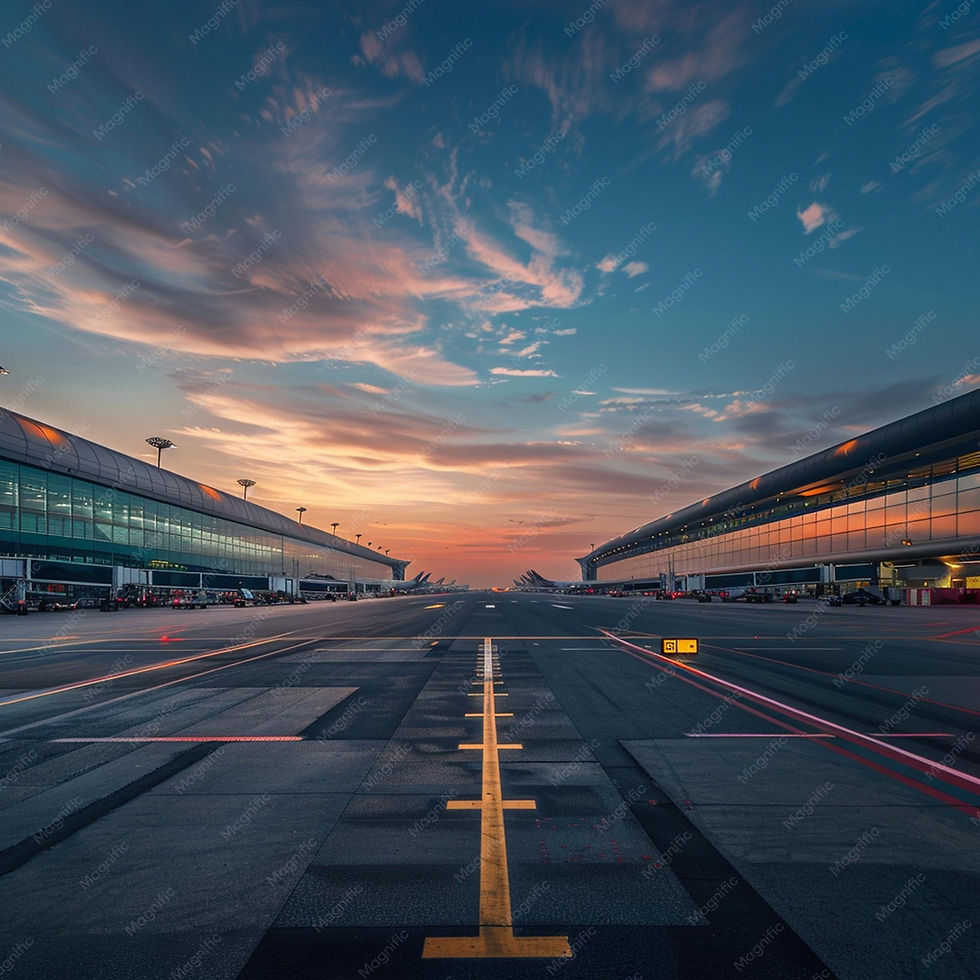
Flying into DXB Terminal 1, 2, or 3
Emirates operates exclusively out of Terminal 3, featuring direct underground links to the Dubai Metro Red Line. Foreign flag carriers land at Terminal 1, while flydubai splits flights between Terminal 2 and Terminal 3. Terminal transfers take 20 to 30 minutes, so verify your exact departure concourse before hiring ground transport.
Stopover Package Incentives
If you are transiting through DXB en route to Asia, Africa, or Australasia, booking an official airline stopover package can unlock discounted 4-star hotel vouchers and 24-hour check-in privileges that offset peak seasonal rack rates.
Target flight bookings by late August or early September for travel during the mid-November to early January peak.
Check arrivals into Dubai World Central (DWC / Al Maktoum International) for seasonal charter flights and select regional European carriers offering lower landing fees.
Utilize DXB Smart Gates upon arrival: passport holders from over 70 countries can bypass manual passport control queues in under 15 seconds if pre-registered.
Avoid flying on the Thursday evening preceding the UAE National Day 5-day holiday weekend in late November, when regional passenger outbound traffic peaks.
Hotel Rate Tiers: Downtown vs Dubai Marina and Beachfront Resorts
Hotel pricing in Dubai experiences dramatic seasonal divergence. In July, luxury suites at five-star beachfront properties on Palm Jumeirah or JBR often clear at AED 600 per night. Come November, Average Daily Rates (ADR) for those identical rooms rise to AED 1,800–3,200 per night.
If beachfront lounging is secondary to sightseeing and dining, Downtown Dubai and Business Bay offer superior transit efficiency. Hotels situated within a 10-minute walk of the Burj Khalifa/Dubai Mall Metro station—such as Rove Downtown or Swissôtel Al Murooj—typically price between AED 650 and AED 1,100 per night during winter, saving hundreds of dirhams per day in taxi fares.
Palm Jumeirah & JBR: Best for private beach clubs, water sports, and sunset lounges; expects rates of AED 1,600–3,500+ per night in December.
Downtown Dubai & DIFC: Premier choice for fine dining, shopping, cultural hubs, and immediate metro connectivity; rates average AED 850–1,800.
Deira & Bur Dubai: Historic riverside district offering boutique heritage hotels and reliable four-star chains at AED 350–650 per night.
Tourism Dirham Fee: Remember that Dubai hotels charge a mandatory municipal tax of AED 10 to AED 20 per bedroom per night depending on star rating, payable at check-out.
Navigating 2026 Travel Advisories, Visas, and Health Protocols
Dubai remains recognized internationally among the safest metropolitan travel destinations globally, carrying Category 1 (lowest advisory) designations from major international foreign ministries. The Dubai Police Tourist Security department operates a dedicated 24/7 bilingual hotline (accessible via toll-free 901) providing emergency visitor assistance, lost item tracking, and consumer protection services.
Passport holders from the UK, EU, USA, Canada, Australia, and GCC nations receive a free 30-day or 90-day visa-on-arrival stamped directly at DXB immigration. Ensure your passport has at least six full months of validity from your arrival date; airlines strictly deny boarding at origin for passports with five months or fewer remaining, regardless of return ticket status.
Visitors from nationalities requiring pre-arranged tourist visas can obtain 30-day or 60-day single-entry visas online via GDRFA Dubai or ICP channels for approximately AED 250 to AED 350. Comprehensive travel health insurance covering emergency outpatient care in the UAE is strongly recommended, as private hospital admissions without domestic coverage require substantial credit card pre-authorizations.
Grab your complimentary tourist SIM card at the DXB immigration counter right after passport control—it comes with 1 GB of free data to order your first Careem ride.
The Ultimate 5-Day Winter Outdoor Itinerary: Deserts, Beaches & Al Fresco Dining
To maximize Dubai's winter weather without exhausting yourself in transit, organize your itinerary by geographic clusters. Here is a battle-tested 5-day flow covering high-energy attractions, open-air cultural heritage, and pristine desert landscapes.
Day 1 starts with historic roots: explore the labyrinthine alleys of the Al Fahidi Historical Neighbourhood in Bur Dubai, cross Dubai Creek on a traditional wooden abra for AED 2, and sample street shawarma and cardamom chai in the Deira Gold Souk before dinner at the waterfront Al Seef promenade.
Day 2 embraces modern outdoor icons: spend the morning swimming at Kite Beach with unobstructed Burj Al Arab views, take an afternoon walk through the millions of floral displays at Dubai Miracle Garden (entry AED 95), and spend the evening dining among global pavilions at Global Village (entry AED 30 via their app).
Day 3 balances architecture and coastline: tour the futuristic galleries of the Museum of the Future (AED 149, book at least 3 weeks in advance), stroll Downtown Boulevard, and reserve sunset sundowners along Palm West Beach.
Day 4 ventures into nature: take an early morning scenic drive out to Hatta for mountain dam kayaking (AED 60 per single kayak), followed by a late afternoon sustainable desert safari within the Dubai Desert Conservation Reserve (DDCR).
Day 5 concludes with luxury leisure: indulge in an al fresco brunch or pool day at a coastal beach club in Jumeirah, followed by evening viewing of the Dubai Fountain choreography and dinner overlooking the Burj Khalifa lake.
Pre-book Museum of the Future and Burj Khalifa At The Top tickets 3 to 4 weeks prior to avoid sold-out time slots.
Download the Global Village app to purchase admission tickets for AED 27 instead of paying AED 30 at gate turnstiles.
Carry a lightweight water bottle; Dubai Can public water fountains throughout major tourist districts offer free chilled filtered refills.
Reserve weekend al fresco dinner tables at popular Souk Madinat Jumeirah or DIFC restaurants at least 10 days in advance.
Local Transportation: Metro, Taxis, and Nol Cards Explained
Navigating Dubai during the winter months is efficient once you master the public transit network operated by the Roads and Transport Authority (RTA). Buying a reusable Silver Nol Card for AED 25 (which includes AED 19 in pre-loaded fare credit) allows seamless tap-in and tap-out access across the Dubai Metro, Dubai Tram, public RTA buses, and marine abras.
The Metro Red Line runs parallel to Sheikh Zayed Road, connecting DXB Airport directly to Downtown Dubai (Burj Khalifa station) in 24 minutes for just AED 7.50 per adult passenger, completely bypassing peak rush-hour gridlock between 5:30 PM and 7:30 PM.
For door-to-door transit, street-hailed RTA metered taxis are plentiful and significantly cheaper than private limousines. Base flag-fall fare starts at AED 5 for street hails (AED 12 when booking via the Careem app's 'Hala Taxi' option, and AED 25 for airport departures). Ride-hailing services like Careem and Uber operate with clean Lexus and Tesla fleets, but cost 25% to 40% more than standard cream-coloured Hala taxis.
Silver Nol Card: Most practical choice for visitors staying 3 or more days; automatically calculates multi-zone fare discounts.
Hala Taxi on Careem: The best balance of convenience and affordability; eliminates payment friction with saved credit cards.
Dubai Tram: Convenient circular loop connecting JBR, Dubai Marina, and the Palm Monorail gateway station.
Peak Traffic Hours: Avoid crossing the Creek bridges (Garhoud and Business Bay Crossings) northbound toward Sharjah between 5:00 PM and 8:00 PM on weekdays.
FAQ
What is the absolute best month for a winter holiday in Dubai?
January is widely considered the premier month for international visitors. Daytime highs average a perfect 24°C, humidity is at its annual minimum, and the city-wide Dubai Shopping Festival (DSF) brings open-air street performances, drone light shows, and retail promotions across every commercial district.
Do tourists need to carry UAE Dirham cash or are cards accepted everywhere?
Dubai is virtually a cashless society. International Visa, Mastercard, and American Express contactless cards, along with Apple Pay and Google Wallet, are accepted everywhere from luxury dining venues and supermarkets down to beach kiosk ice-cream stands and metered RTA taxis. You will only need small dirham coins (AED 1 to AED 5) for traditional Creek abras or small tipping.
What is the dress code for tourists in Dubai during the winter outdoor season?
Dubai is cosmopolitan and relaxed, but respectful modesty is expected in public areas. Swimwear, bikinis, and shorts are completely normal at hotel beaches, pool clubs, and private coastal resorts. In air-conditioned shopping malls, metro stations, and public government areas, clothing should cover shoulders and knees. Bringing a light jacket or pashmina is advised for chilly desert evenings and brisk indoor air conditioning.
Are major tourist attractions and shops open on UAE National Day and New Year's Day?
Yes. While public sector offices and banks close during official federal holidays, tourist attractions, shopping malls, theme parks, and restaurants operate with extended hours. Malls often remain open past midnight, and major fireworks displays take place at Burj Khalifa, Burj Al Arab, and Bluewaters Island.
Useful Links
Visit Dubai Official Tourism Portal · Dubai Airports (DXB Flight Status) · Emirates Airline Bookings · flydubai Official Route Network · UAE Government Visa Guidelines · Dubai Police Tourist Security Department
Pair It With
Emirates Dubai Stopover Package Booking · Dubai Autumn Events October 2026 Outdoor Festivals Exhibitions · Uae Public Holidays November 2026 Long Weekend

— Angel Tyagi, Creator of Angel In Dubai
Prices, timings and availability may change — always check directly with the venue before visiting. Not sponsored.
Story lead: khaleejtimes.com. Reporting can be updated or withdrawn after publication — always check the original before relying on anything here.
Rates and figures are indicative and were correct as of 14 September 2026; they change often, so verify with the provider before acting. This is general information, not financial advice.
Rules, fees and deadlines change often. This is a general summary, not legal advice — confirm with the relevant UAE authority before acting.
Photo by Ultimate Guide to Dubai Iconic Landmarks You Must Visit - Woblogger via web, Photo by Jack Sparrow via unsplash


Comments