


Public Art Abu Dhabi Biennial 2026: Dates, Locations, and Free Visitor Guide
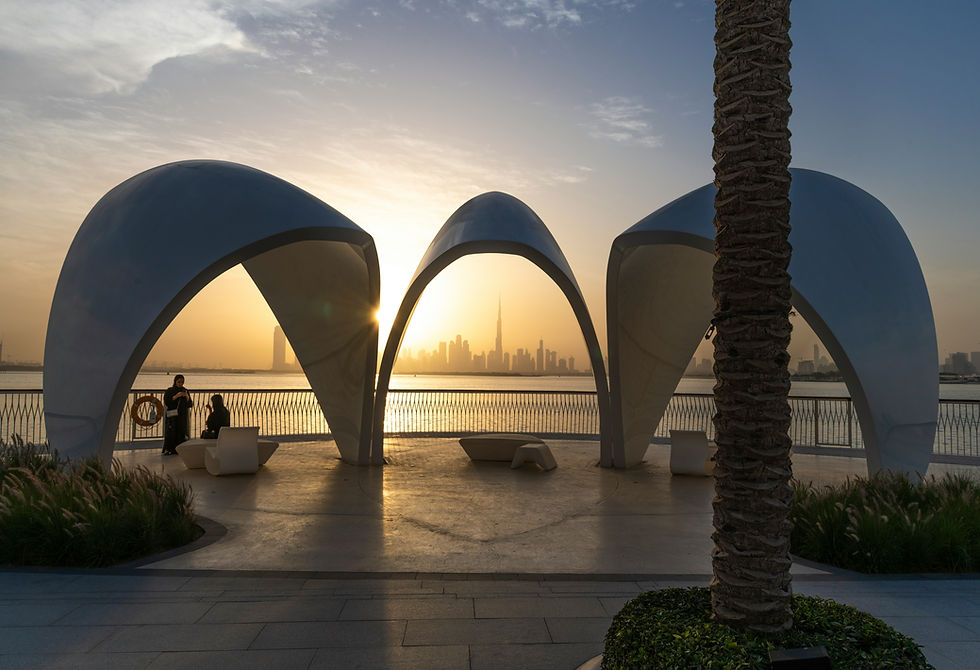
The late-afternoon breeze carried the scent of saltwater across the Corniche as I stepped past a towering curved steel sculpture rising ten meters above the promenade. Walking along the waterfront, the usual skyline view felt completely reimagined, framed by geometric arches that cast intricate shadows across the pedestrian pathway.
Abu Dhabi has officially taken art out of velvet-roped galleries and placed it directly into the rhythm of daily urban life. With major commissions now anchored across the capital and the historic oases of Al Ain, here is everything you need to know about the dates, installation sites, and how to explore this citywide biennial.
At a glance | Details |
|---|---|
Dates | 15 November 2026 to 30 April 2027 |
Admission | Free across all outdoor sites |
Locations | Abu Dhabi Corniche and Al Ain Oasis |
Artists | Over 70 international and local creators |
Organiser | Department of Culture and Tourism |
Biennial Dates, Public Theme, and Free Admission Details

The multi-year cultural commissioning framework operated by Public Art Abu Dhabi anchors major outdoor art throughout the capital. The inaugural Public Art Abu Dhabi Biennial runs from 15 November 2026 through 30 April 2027, turning streets, coastal paths, and historic parks into an open-air exhibition space.
Official program announcements released directly by the Department of Culture and Tourism – Abu Dhabi confirm that access to every outdoor installation remains free to the public. Unlike ticketed gallery spaces, visitors do not need prior reservations, admission wristbands, or entrance fees to explore the artworks.
Government briefings published through the state-run Emirates News Agency highlight installations from dozens of international artists. The program centers around themes of public space, collective memory, and ecological heritage, encouraging residents and visitors to explore urban environments on foot.
Primary Abu Dhabi City Installation Hubs and Walking Routes
Sculpture trails stretch directly across the Abu Dhabi Corniche between the beach promenade and city parks. This coastal spine forms the main urban corridor of the festival, connecting pedestrian paths from the Family Park sector through to the Mina Zayed port area.
Navigating between these urban clusters takes approximately forty minutes on foot or ten minutes via the public bus network. I spent an afternoon mapping the installation density along the waterfront, noting that the works integrate directly into everyday civic spaces rather than isolated pedestals.
Corniche Promenade Sculpture Trail
The coastal corridor features monumental architectural pavilions and kinetic wind sculptures spaced along the five-kilometer waterfront walkway. Pedestrian access is continuous, allowing morning joggers and evening walkers to interact with tactile materials designed to withstand coastal humidity and salt breeze.
Downtown Urban Interventions
Turning inward toward the city center, side alleys and public squares around Hamdan Street feature painted shade canopies and soundscapes. These installations invite residents to pause in shaded pocket parks between residential towers and community markets.
Strolling the Corniche at blue hour gives you the best light for the large-scale brass installations against the Arabian Gulf.
Al Ain Oasis and Heritage Site Installations
Ancient falaj irrigation pathways inside the Al Ain Oasis host quiet architectural pavilions and light interventions. Situated roughly 140 kilometers east of Abu Dhabi city, Al Ain provides a contrasting desert oasis setting that reshapes how visitors experience contemporary spatial art.
The installations across the Garden City are woven into living agricultural landscapes rather than poured concrete plazas. Walking between the date palms requires navigating narrow earthen trails, where artists have integrated local adobe, raw clay, and woven palm fronds into site-responsive works.
Al Ain Oasis Falaj Installations
Nestled among thousands of date palms, artists have installed woven textile screens and earthen sculptures along historic irrigation channels. The artwork draws direct inspiration from centuries-old agricultural engineering, using natural mud, clay, and palm fronds.
Qasr Al Muwaiji Courtyard Works
The historic fortress courtyard hosts site-responsive glass and copper assemblies that cast shifting geometric shadows as the sun moves. Visitors can explore the grounds during daylight hours without entrance fees.
International and Emirati Artist Lineup Highlights
The Biennial lineup pairs established international sculptors with emerging Emirati and regional creators, producing works conceived specifically for the climate and social fabric of the UAE. Curators have commissioned over seventy artists to respond directly to the geographic contrast between maritime Abu Dhabi and inland Al Ain.
Rather than shipping prefabricated studio works, invited artists spent weeks in residency studying community gathering patterns, tidal movements, and historical trade routes. The resulting commissions reflect tangible dialogues between desert craftsmanship and contemporary materials.
Zone | Focus | Access |
|---|---|---|
Corniche | Monumental sculpture | Open 24 hours |
Al Ain | Heritage architecture | Closes at sunset |
Downtown | Civic murals | Lit at night |
Public Art Biennial Exhibits Compared to Traditional Museum Visits
Indoor orientations and registration take place at Cultural Foundation in central downtown Abu Dhabi. While institutions like Louvre Abu Dhabi and the future Guggenheim Abu Dhabi house collections inside climate-controlled galleries, the Biennial operates entirely without ticketing desks, baggage checks, or admission charges.
This open format changes how audiences encounter creative expression across the emirate. Art enthusiasts can view massive installations while cycling along the waterfront or stopping for karak chai in a neighbourhood square, removing traditional gallery barriers.
Unlike traditional museum galleries on Saadiyat Island, you do not need timed tickets or security queues to experience these works.
Practical Visitor Tips, Weather Timing, and Transport Planning
Detailed public route coordinates mapped by Visit Abu Dhabi provide transit stops and shade maps for each precinct. Because the Biennial takes place during the cooler winter and spring months, exploring on foot is comfortable throughout late afternoons and evenings.
Visitors driving from Dubai should plan for an eighty-minute journey along the E11 highway to reach the Corniche precinct, or ninety minutes via the E66 to access the Al Ain cluster directly. Paid Mawaqif parking is available along the waterfront, but public transit and ride-hailing save significant time during busy weekend evenings.
Visit outdoor installations between 4:30 PM and 7:00 PM to catch golden hour lighting and avoid midday sun.
Download the offline walking map through the official festival portal before heading into Al Ain heritage areas.
Carry refillable water bottles since walking loops between installations average three to five kilometers.
Use public bus routes 5, 7, and 11 to reach Abu Dhabi Corniche hubs without parking delays.
FAQ
Do I need tickets or pre-registration for the Public Art Abu Dhabi Biennial?
No tickets or pre-registration are required for outdoor public installations. Visitors can walk up freely at any time of day, though specialized curator-led walking tours require reserving a spot through the official festival website.
Are the Public Art Abu Dhabi Biennial exhibits wheelchair and stroller accessible?
Most coastal installations along the paved Abu Dhabi Corniche and public parks offer full ramp access and smooth walkways. Selected unpaved dirt pathways inside Al Ain Oasis date groves have uneven gravel terrain where sturdy footwear or all-terrain strollers are recommended.
What are the best hours of the day to view the outdoor art installations?
Late afternoon from 4:30 PM through twilight offers ideal natural light for photography, followed by illuminated nighttime viewing for illuminated and neon works along urban boulevards.
Can I take professional photography or drone footage at the installations?
Handheld smartphone photography and personal cameras are fully permitted across all public exhibition zones. Commercial photography equipment, tripods during crowded festival hours, and aerial drones require standard permits from local municipal and civil aviation authorities.
Useful Links
Public Art Abu Dhabi — official biennial program and project updates
Department of Culture and Tourism – Abu Dhabi — cultural mandate and event schedules
Emirates News Agency — verified government coverage and event details
Abu Dhabi Corniche — interactive map and walking promenade location
Al Ain Oasis — UNESCO heritage site navigation and access
Cultural Foundation — exhibition schedules and indoor gallery access
Visit Abu Dhabi — city tourism maps and transit info
Pair It With

— Angel Tyagi, Creator of Angel In Dubai
Prices, timings and availability may change — always check directly with the venue before visiting. Not sponsored.
Story lead: thenationalnews.com. Reporting can be updated or withdrawn after publication — always check the original before relying on anything here.
Photo by Ithra Dubai via wikimedia, Photo by hozifa mahmmed via unsplash


Comments