


Secret Mountain and Coastal Road Trips from Dubai: 2026 Scenic Day Trip Guide
I cleared the outer ring of Emirates Road just as dawn cracked pink across the desert dunes, steering northeast toward the jagged silhouette of the Hajar Mountains. With cooler winter temperatures dipping into the low twenties, the temptation to escape Dubai glass-and-steel grid for rugged mountain air becomes irresistible.
Within two hours of Downtown, the landscape transforms from six-lane highways into winding mountain passes, hidden freshwater wadi beds, and dramatic coastal ridges along the Gulf of Oman. Having explored these Northern Emirates backcountry routes across weekends, I mapped out the finest driving escapes that feel worlds away from the city.
At a glance | Details |
|---|---|
Driving Radius | Under 120 minutes from Downtown Dubai |
Best Season | November to March for cooler mountain air |
Vehicle Required | Standard sedan for paved passes, 4WD for wadis |
Salik Tolls | AED 4 to AED 8 per gate on highways |
Fuel Budget | AED 85 to AED 140 for full-day circuit |
Mountain Road Trip Itineraries and Drive Times

Escaping Dubai into the mountains does not require an overland safari vehicle when you pick the right corridor. Smooth multi-lane asphalt connects Dubai directly to premier high-elevation lookouts, while secondary gravel wadi tracks branch off into peaceful desert valleys. Official tourism maps published by Visit Dubai detail regional scenic highway networks connecting the emirates.
Timing your departure is the single biggest factor determining how enjoyable the mountain drive will be. Leaving city limits by 6:30 AM allows you to reach the foothills before commuter traffic builds, rewarding you with completely empty mountain tarmac and cool morning shadows.
Route | Drive Time | Surface Type |
|---|---|---|
Jebel Jais Pass | 105 minutes | Smooth paved tarmac |
Wadi Shawka Loop | 65 minutes | Gravel wadi trail |
Khorfakkan Route | 80 minutes | Modern mountain highway |
The New Khorfakkan Highway and Cloud Lounge Ascent
Sharjah Highway 142 represents one of the most scenic engineering achievements in the region, cutting straight through the Hajar mountain range with five illuminated mountain tunnels. The route reduces what was once an arduous trek into an effortless eighty-minute cruise toward the East Coast. Travellers emerge from the final tunnel directly overlooking the turquoise bay of Khorfakkan.
Just before reaching the coastal flats, follow the spiraling mountain road upward to Al Suhub Rest Area, commonly called the Cloud Lounge. Perched 580 metres above sea level, this circular viewpoint offers a cool mountain breeze, cafe seating, and a breathtaking 360-degree panorama of the coastline.
Mountain Tunnels on Route 142
The route features five precision-cut tunnels including Al Sidra and Al Rogh, eliminating winding gravel tracks and ensuring steady highway speeds throughout the mountain crossing.
Al Suhub Rest House Panoramic Vista
A purpose-built switchback road climbs to the saucer-shaped rest station, where visitors can grab coffee while watching container vessels glide across the Gulf of Oman.
Driving through the five mountain tunnels on Route 142 feels like cutting through the spine of the Hajar mountains into another country.
Wadi Shawka and the Southern Ras Al Khaimah Valleys
For travellers seeking natural rocky beauty closer to Dubai, Wadi Shawka sits just sixty-five minutes east along Maleha Road via Exit 88. The main attraction is the Shawka Dam, where a striking flight of over three hundred stone steps climbs the hillside to an elevated viewing platform. The valley floor features acacia groves where wild camels graze along dry riverbeds.
Following seasonal winter rainfall, the rocky pools behind the dam brim with fresh rainwater, transforming the arid terrain into a lush green haven. While the dam perimeter is paved, continuing deeper into the wadi loop requires high ground clearance to navigate loose stones.
Shawka Dam stone stairs offering panoramic 360-degree valley views
Shaded gravel trails suitable for gravel bikes and off-road walking
Natural water pools situated two kilometres past the main dam wall
Designated overnight camping clearings equipped with waste disposal bins
The Serpentine Curves of Jebel Jais and Hidden Wadi Ghalilah
Ras Al Khaimah Jebel Jais stands as the highest peak in the United Arab Emirates, topping out at 1,934 metres above sea level. The thirty-kilometre ascent features twenty-eight engineered hairpin curves, wide paved shoulders, and spectator viewing bays equipped with food trucks and clean restrooms. Emergency roadside contact guidelines from Dubai Police recommend saving emergency dispatch numbers before ascending remote mountain passes.
At the mountain base near the Omani border lies Wadi Ghalilah, a remote canyon renowned for dramatic vertical cliff walls and challenging hiking paths. The contrast between the pristine high-speed curves of Jebel Jais and the raw solitude of Ghalilah demonstrates the incredible variety of the Northern Emirates terrain.
Stop at viewing point seven on Jebel Jais just before sunset when the limestone peaks turn amber against the Persian Gulf.
Coastal Corniches and Rocky Inlets of Dibba and Kalba
Driving down from the central mountains brings you along the serene coastal strip stretching from Khor Kalba to Dibba Al Fujairah. Official conservation guidelines on the UAE Government Portal outline protected environmental rules for marine and wadi nature reserves. In Kalba, ancient mangrove forests provide a sanctuary for endangered Arabian collared kingfishers and green sea turtles.
Continuing north along the coastline takes you past Snoopy Island in Al Aqah, where rocky islets rise out of the ocean within swimming distance of the sandy shore. The route finishes at the lively fishing port of Dibba, where local wooden dhows unload morning catches of kingfish and hammour beside the marina docks.
Khor Kalba Mangrove Nature Sanctuary
The southern tip of Kalba features protected coastal wetlands where visitors can rent eco-friendly kayaks or stroll elevated boardwalks through the dense mangrove tree canopy.
Dibba Coastal Harbor and Fresh Fish Markets
The northern coastal highway curves around rocky headlands, leading directly to waterfront seafood cafes and traditional open-air fish auction markets.
Essential Vehicle Preparation and Mountain Safety Checklist
Mountain ascents and remote wadi trails place distinctive demands on your vehicle that flat Dubai city driving never tests. Steep climbs heat transmissions and cooling systems rapidly, while prolonged downhill descents can overheat standard brake pads if drivers ride the brakes continuously. Flight crew and road commuters frequently cross-reference Dubai Airports regional transit updates during heavy winter morning fog periods.
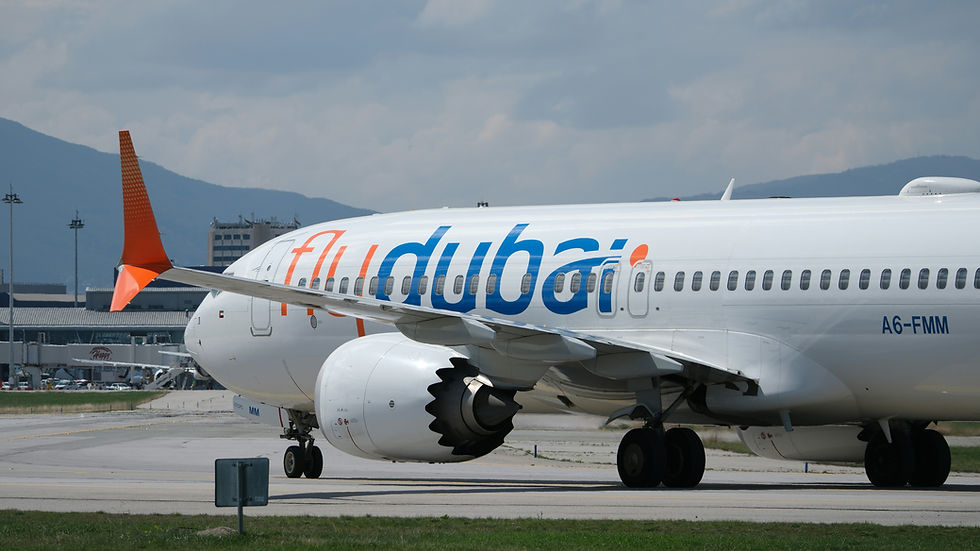
You can verify precise driving turnoffs on Google Maps Northern Emirates Mountain Passes before setting out from the city. Travellers planning regional road connections can also consult flydubai route guides for connecting regional airport infrastructure. Checking weather alerts from the National Center of Meteorology is critical, as rain showers miles upstream can cause sudden wadi surges.
Inspect vehicle tire tread depth and adjust tire pressures while tires remain cold
Check radiator coolant and engine oil levels before departing Dubai highway limits
Download offline GPS navigation maps covering Sharjah, Fujairah, and Ras Al Khaimah sectors
Pack at least five litres of drinking water and emergency non-perishable rations per passenger
Check the National Center of Meteorology weather bulletins for flash flood advisories
Shift into low gear on steep mountain descents to allow engine braking to control your speed without cooking your brake pads.
FAQ
Do you need a four-wheel-drive SUV for mountain drives from Dubai?
Paved mountain routes like the Khorfakkan Highway, Jebel Jais, and Jebel Hafeet are fully accessible in standard two-wheel-drive sedans. A four-wheel-drive vehicle with high ground clearance is only necessary if you plan to venture deep into rocky wadi beds like Wadi Shawka or remote gravel tracks.
Are there entry fees or permits required for mountain day trips in the UAE?
Most mountain roads and public wadis across the Northern Emirates are free to enter. Jebel Jais Observation Deck Park charges a nominal fee of AED 5 per visitor, and specific municipal parks in Khorfakkan may charge between AED 10 and AED 20 for dedicated recreational facilities.
What is the best time of day to start a mountain drive from Dubai?
Departing Dubai between 6:00 AM and 7:00 AM allows you to reach the mountains before midday heat and avoid heavy outbound weekend traffic on Emirates Road E611. Early morning arrival also rewards drivers with crisp mountain temperatures and clear photography light.
Is mobile phone network coverage reliable throughout mountain valleys?
Both Etisalat and du provide solid mobile reception along major highways and mountain crests including Jebel Jais and Khorfakkan. However, cellular signals frequently drop inside deep canyon bottoms such as Wadi Shawka, making offline downloaded navigation maps essential.
Useful Links
Visit Dubai — explore official Dubai regional road itineraries
Dubai Police — verify UAE emergency and roadside assistance
UAE Government Portal — check environmental rules for protected reserves
Dubai Airports — monitor morning highway fog and visibility alerts
Google Maps Northern Emirates Mountain Passes — view Al Suhub mountain route coordinates
flydubai route guides — review regional transport connections and hubs
Pair It With

— Angel Tyagi, Creator of Angel In Dubai
Prices, timings and availability may change — always check directly with the venue before visiting. Not sponsored.
Story lead: whatson.ae. Reporting can be updated or withdrawn after publication — always check the original before relying on anything here.
Photo by Dilip James via unsplash, Photo by Pranav Madhu via unsplash


Comments