


How to Set Up a German Business in Dubai: 2026 Setup Guide
Walking through the central concourse of the Dubai International Financial Centre on a weekday morning, German engineering consultants, tech directors, and logistics heads moving between client briefings is a familiar sight. European corporate leadership no longer treats the Emirates merely as an export distribution outpost, but as an indispensable regional command center connecting European engineering with fast-growing markets across the Middle East, India, and East Africa.
Escalating operational friction across domestic European industrial hubs has accelerated this shift. German Mittelstand manufacturers, clean technology innovators, and enterprise software firms are establishing permanent operational footprints across the UAE. Navigating statutory licensing structures, corporate tax thresholds, and industrial free zones requires a clear roadmap grounded in practical regulatory mechanics.
At a glance | Details |
|---|---|
Corporate tax | 0% qualifying or 9% standard as of October 2026 |
Base setup cost | AED 12,500 to AED 35,000 as of October 2026 |
Foreign ownership | 100% mainland and free zone |
Primary hubs | DIFC, JAFZA, Dubai South, KIZAD |
German business base | Over 1,200 firms registered as of October 2026 |
Statutory audit | Mandatory for corporate tax filing |
Why German Mittelstand Enterprises Are Relocating to the UAE
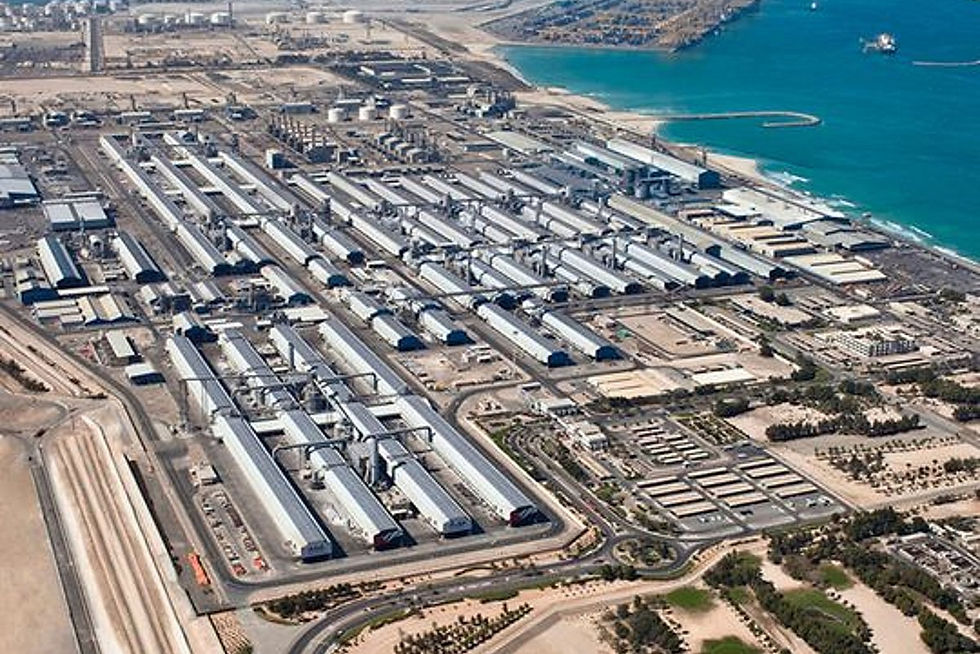
Rising energy overheads and complex corporate compliance across Europe have prompted mid-sized German enterprises to diversify operational risk. Under updated commercial ownership legislation regulated by the Ministry of Economy, international enterprises can hold one hundred percent foreign ownership across mainland commercial activities as of October 2026. This landmark legal reform eliminated historical requirements for local majority sponsorship across most trading and industrial operations.
Beyond statutory ownership rights, the country's strategic geographical location provides direct logistical reach to two billion consumers within a four-hour flight radius. Market entry assessments conducted by the AHK highlight supply chain resilience and regional market access as top motivators for German corporate expansions as of October 2026. All corporate figures and market yields are indicative — verify with the bank/developer or economic registry before committing capital. Note that this review is for informational purposes and does not constitute financial, legal, or tax advice.
Free Zone vs Mainland: Selecting the Right Corporate Vehicle
Selecting between a dedicated free zone entity and a mainland commercial license represents the most consequential architectural decision for European founders. Free zones provide specialized customs exemptions and dedicated commercial ecosystems tailored to specific industry verticals. Mainland companies, by contrast, enjoy unrestricted authority to execute commercial contracts directly with government departments and consumer markets nationwide as of October 2026.
Many German industrial providers resolve this tension by adopting a dual-licensing framework. Under this arrangement, a primary free zone manufacturing entity secures a secondary mainland branch authorization from the local department of economy, allowing seamless onshore distribution without duplicating administrative overheads. Figures sourced from Dubai Chamber of Commerce published schedules as of October 2026; setup expenses remain indicative — verify with licensing authorities.
Free Zone Establishment Mechanics
Free zones offer rapid incorporation timelines, zero customs duties on imported capital machinery, and streamlined residence visa quotas for international engineering talent as of October 2026. However, physical trading outside designated customs zones requires appointed local distributors.
Mainland Limited Liability Framework
Mainland incorporation provides unrestricted access to the domestic UAE consumer and government procurement markets. Modern commercial statutory codes permit foreign parent corporations to retain full beneficial ownership without requiring local equity partners.
Jurisdiction | Est Fee | Local Trade |
|---|---|---|
Free Zone | From AED 12,500 | Indirect via distributor |
Mainland | From AED 18,500 | Direct nationwide access |
Dual License | From AED 28,000 | Combined mainland branch |
Opting for a branch office rather than a standalone subsidiary allows European parent firms to consolidate financial statements smoothly under home country tax codes.
Step-by-Step Incorporation Process for European Subsidiaries
Establishing a corporate subsidiary requires following a methodical legal onboarding pathway across federal and emirate registries. Comprehensive licensing procedures cataloged on the UAE Government Portal outline the baseline documentation necessary for cross-border branch registration as of October 2026. European corporate secretariats must allocate adequate lead time for document legalisation, as corporate registry extracts and board resolutions issued in Germany require apostille authentication and UAE embassy consular stamping prior to submission.
Once documents arrive in the UAE, legal translations into Arabic precede economic registry filing. Budgeting four to eight weeks for complete corporate documentation and banking onboarding ensures realistic executive planning.
Select trade activities and reserve your corporate trade name through the economic registry as of October 2026.
Prepare and notarize German parent company constitutional documents with UAE consular attestation.
Secure initial approval and lease physical premises or flexi-desk facilities to register an official Ejari.
Submit final memorandum of association to receive your official commercial trade license.
Open a corporate multi-currency bank account and register with the Federal Tax Authority for tax compliance.
Corporate Tax, Transfer Pricing and Qualifying Free Zone Status

The UAE corporate tax framework enforces a standard federal statutory rate of nine percent on taxable corporate profits exceeding AED 375,000 as of October 2026. However, European enterprises operating within designated free zones can secure a zero percent rate on qualifying income by maintaining Qualifying Free Zone Person status under federal executive regulations.
To qualify for the zero percent headline rate, European subsidiaries must substantiate adequate economic presence, including maintaining qualified full-time personnel and incurring operating expenditures within the designated zone. Transfer pricing documentation must conform to OECD guidelines, preventing arbitrary cross-border profit shifting between European parent companies and UAE operational units. Corporate tax rates are statutory as of October 2026 and indicative — verify with a certified tax auditor.
Establishing genuine economic substance within your UAE free zone entity is essential to secure zero percent qualifying corporate tax status.
Specialized Industrial and Tech Corridors for European Firms
Industrial location strategy heavily dictates supply chain efficiency. Official registration statistics compiled by the Dubai Chamber of Commerce report that over twelve hundred German firms currently operate active commercial licenses across the emirate as of October 2026. Major industrial enterprises concentrate along high-capacity multimodal transit corridors linking automated seaports with regional air freight hubs.
Financial services firms and European family offices frequently locate inside DIFC to operate under an independent common-law regulatory environment as of October 2026. In the federal capital, institutional asset managers often choose ADGM for its direct integration with international arbitration courts and common law jurisdiction as of October 2026.
Jebel Ali Free Zone offers direct access to the Middle East's largest deep-water container terminal.
Dubai South provides logistics corridors integrated directly with Al Maktoum International Airport cargo gates.
Dubai Industrial City houses advanced manufacturing clusters with subsidized industrial power tariffs as of October 2026.
DIFC and ADGM provide independent English common law judicial systems for corporate dispute resolution.
Operational Costs, Compliance and Regulatory Best Practices
Prudent budget forecasting must account for ongoing operational commitments beyond initial registration outlays. Office lease rates vary from shared co-working desks starting at AED 15,000 annually to premium corporate suites in financial corridors reaching AED 350 per square foot as of October 2026. All real estate and lease figures are indicative — verify with the developer or commercial broker before executing lease contracts.
Banking compliance remains an intensive operational stage for foreign-owned entities. International financial institutions enforce rigorous Ultimate Beneficial Ownership scrutiny and anti-money laundering verification before issuing corporate debit facilities or multi-currency clearing accounts. This guide is for informational purposes only and does not constitute financial, investment, or legal advice; businesses must consult certified legal counsel.
Maintain certified corporate accounting books compliant with International Financial Reporting Standards.
File annual corporate tax declarations with the Federal Tax Authority within statutory timelines.
Ensure physical office space meets minimum square footage requirements for employee visa allocations as of October 2026.
Prepare complete corporate shareholding flowcharts down to natural individual owners before initiating UAE corporate banking applications.
FAQ
Can a German company own 100 percent of a UAE mainland business?
Yes, under the amended UAE Commercial Companies Law, foreign investors and European corporate entities can retain one hundred percent direct legal ownership across more than a thousand mainland commercial and industrial activities without appointing a local Emirati partner.
What is the minimum capital requirement to establish a subsidiary in Dubai?
Most commercial free zones and mainland licensing departments do not mandate a fixed paid-up capital deposit during initial registration, though certain regulated activities like financial advisory, defense manufacturing, or engineering contracting specify minimum operational capital thresholds.
How long does the corporate bank account opening process take for European founders?
Opening a commercial corporate bank account typically requires between four and eight weeks due to rigorous international Know Your Customer, Ultimate Beneficial Ownership, and anti-money laundering compliance audits conducted by UAE commercial banks.
Does the UAE have a double taxation avoidance agreement with Germany?
Yes, bilateral double taxation treaties and investment protection agreements between the UAE and European economies help clarify tax residency standards and prevent double withholding taxes on qualifying cross-border transactions.
Useful Links
Ministry of Economy — federal corporate ownership rules and commercial regulations
Dubai Chamber of Commerce — bilateral trade data and corporate registration
UAE Government Portal — official portal outlining federal company registration
DIFC — financial free zone licensing and legal framework
ADGM — capital market regulations and financial licensing
Pair It With

— Angel Tyagi, Creator of Angel In Dubai
Prices, timings and availability may change — always check directly with the venue before visiting. Not sponsored.
Story lead: Gulf News. Reporting can be updated or withdrawn after publication — always check the original before relying on anything here.
Rates and figures are indicative and were correct as of 6 October 2026; they change often, so verify with the provider before acting. This is general information, not financial advice.
Rules, fees and deadlines change often. This is a general summary, not legal advice — confirm with the relevant UAE authority before acting.
Photo by Gate Avenue at DIFC Dubai - Gate Avenue at DIFC Dubai ... via web, Photo by Dubai's Jebel Ali Free Zone starts construction of logistics park, to ... via web, Photo by AI-generated illustration via gemini


Comments