


Unseasonal UAE Summer Rain and Hail 2026: Driver Safety Tips for Dubai and Al Ain
Driving back from an afternoon meeting near Al Ain earlier this week, the sky transformed from clear amber to dark indigo in less than twenty minutes. Before I could even pull onto the E66 highway back toward Dubai, heavy raindrops were pounding the windshield, followed by the surprising rattle of hail bouncing off the hood in 44°C heat.
Unseasonal summer rain and localized hail storms across Dubai, Sharjah, and Al Ain catch many UAE drivers off guard every year. In this guide, I want to break down why these convective summer weather events happen in the Gulf, how hail forms during peak heat, and the crucial driving safety steps you must take to protect yourself and your vehicle when sudden summer downpours strike.
Why Does It Rain and Hail in the UAE During Summer?
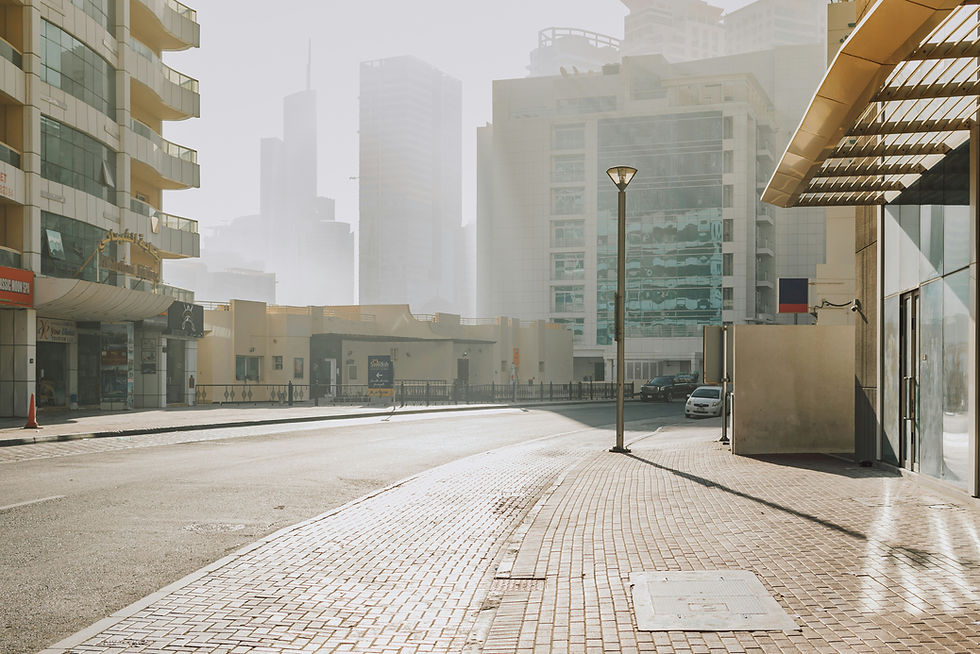
While winter rains in the UAE are typically driven by low-pressure systems moving across the Mediterranean, summer rain in the Gulf is a very different meteorological phenomenon. Between July and September, intense thermal heat over the desert landmass creates strong rising air currents.
Convection and Orographic Lifting Over the Hajar Mountains
Moist air blowing off the Gulf of Oman meets the scorching heat of the eastern desert interior. As this humid air is forced upward along the peaks of the Hajar Mountains near Al Ain and Fujairah—a process known as orographic lifting—it rapidly cools and condenses into towering cumulonimbus clouds.
These massive storm cells often drift westward toward Dubai and Sharjah in the late afternoon, dropping sudden, localized downpours that can flash-flood low-lying wadis and urban intersections.
Cloud Seeding and Convective Enhancement
The UAE National Center of Meteorology routinely enhances these naturally occurring convective clouds through cloud seeding operations. Flight missions disperse eco-friendly salt flares into updrafts to encourage droplet coalescence, increasing rainfall yield across catchment areas in Al Ain and eastern Dubai.
Understanding Summer Hail: How Ice Falls in 45°C Desert Heat
One of the most surprising experiences for UAE residents is witnessing ice pellets and hail pounding the desert sand while ambient temperatures exceed 40°C. Hail forms high inside convective thunderstorm clouds, where powerful updrafts carry liquid water droplets above the freezing level into freezing temperatures.
Because the updrafts during summer heating are exceptionally strong, hail stones can grow larger before gravity pulls them back to earth. Even though the lower atmosphere is extremely hot, the hail falls so quickly that it does not have time to melt completely before hitting the ground in Al Ain or Dubai.
When summer hail starts hitting your windshield, resist the urge to slam on the brakes—gradually reduce speed and look for covered parking immediately.
Essential Driver Safety Tips During Sudden UAE Rainstorms

Driving in sudden desert rain requires immediate adjustments to your driving habits. Desert highways build up oil residue and fine dust during long dry spells, creating an extremely slick surface when rain first starts falling.
Double Your Following Distance: Increase spacing between your car and the vehicle ahead from 3 seconds to at least 6 seconds on high-speed highways like E11 and E311.
Turn On Low-Beam Headlights: Always switch on low-beam headlights during rain to increase visibility. Avoid using hazard lights while driving as it prevents other motorists from knowing if you are changing lanes.
Reduce Speed Gradually: Slow down by 20–30 km/h below the posted limit when water starts pooling on the asphalt to prevent hydroplaning.
Never Cross Flowing Wadis: If driving near mountain valleys or desert roads in Al Ain, never attempt to drive through moving wadi waters regardless of vehicle size.
Comparing Road Hazards: Dry Asphalt vs. Summer Rain vs. Hailstorm
Different weather conditions on UAE roads present distinct hazards that require specific driver responses. Below is a comparison of road conditions and recommended precautions during summer weather shifts.
Weather Condition | Tire Grip Level | Primary Driver Hazard | Recommended Action |
|---|---|---|---|
Standard Dry Summer | High (100%) | Extreme ambient heat and tire blowout risk | Maintain correct tire pressure and monitor tread depth |
First 10 Mins of Summer Rain | Low (Slick Oil Film) | Sudden skidding and aquaplaning | Drop speed immediately, avoid sharp steering moves |
Heavy Rain & Hail Accumulation | Very Low (Ice & Standing Water) | Windshield impact, zero visibility, vehicle damage | Pull safely off the highway into covered shelter |
Insurance Coverage and Reporting Storm Damage in the UAE

Hailstones and localized flash floods can leave dented bodywork, cracked windshields, or water-damaged engines. Understanding your vehicle insurance rights and official reporting channels is essential after a severe summer storm.
Does Comprehensive Motor Insurance Cover Hail Damage?
In the UAE, comprehensive insurance policies generally cover storm, flood, and hail damage provided the government or meteorology department officially recognizes the weather event. Third-party only policies typically exclude natural disaster coverage, so check your policy wording carefully.
How to Report Storm Damage to Authorities
If your car suffers hail dents or water damage while parked or driving, open the Dubai Police app or Abu Dhabi Police app to file a weather damage report. Take clear photographs of the vehicle and surrounding area before moving your car to process insurance repair claims smoothly.
Always obtain an official police rain/natural disaster certificate via the Dubai Police or Abu Dhabi Police app if you need to submit a hail damage claim.
Post-Storm Vehicle Inspection Checklist for Drivers
After navigating a heavy summer rainstorm or hail event in Dubai or Al Ain, perform a quick 5-minute vehicle check before heading out on your next journey.
Inspect Windshield and Lights: Check for subtle hairline cracks from hail impact that could expand under high cabin heat.
Check Tire Tread and Pressure: Ensure tires have adequate tread depth (minimum 1.6mm) to displace water effectively.
Clean Wiper Blades: Desert heat deteriorates wiper rubber quickly; replace hardened blades to ensure clear visibility.
Inspect Brake Response: Gently test brakes at low speed after driving through puddles to dry out brake pads.
FAQ
Does it really rain in Dubai during the summer?
Yes, summer rain occurs in the UAE between July and September due to convective clouds forming over the eastern Hajar Mountains near Al Ain, which often move westward toward Dubai.
Why does hail fall in Dubai when it is hot outside?
Hail forms in strong convective thunderstorm updrafts high above the freezing level. The hail stones fall so rapidly through the hot lower air that they do not completely melt before hitting the ground.
Should I use hazard lights when driving in heavy rain in Dubai?
No, you should never drive with hazard lights on during rain. Hazard lights are reserved for stopped or stationary vehicles and make it impossible for other drivers to tell if you are changing lanes.
How can I report storm damage to my car in Dubai?
You can report weather or hail damage directly through the Dubai Police app or Abu Dhabi Police app to receive an official certificate required for insurance claims.
Useful Links
Dubai Police Official Portal · Roads and Transport Authority (RTA) · Emirates News Agency (WAM) · UAE Official Government Portal · Dubai Electricity and Water Authority (DEWA) · RTA Traffic Safety Services
Pair It With
Abu Dhabi Police Smart Vehicle Impound Fee 15 Aed · Uae Petrol Prices September 2026 · Things To Do In Dubai This Week Events

— Angel Tyagi, Creator of Angel In Dubai
Prices, timings and availability may change — always check directly with the venue before visiting. Not sponsored.
Story lead: thenationalnews.com. Reporting can be updated or withdrawn after publication — always check the original before relying on anything here.
Photo by Ali Barzgar via unsplash, Photo by Kate Trysh via unsplash, Photo by Kate Trysh via unsplash, Photo by web via web


Comments