


UAE Pharmaceutical Manufacturing Expansion 2026: Impact on Healthcare & Expat Jobs
Standing inside a state-of-the-art sterile manufacturing bay at Dubai Industrial City, surrounded by automated fill-finish lines and precision robotics, the shift in the region's healthcare economy hits you immediately. For years, residents in Dubai and the wider GCC relied almost entirely on imported medications shipped in from Europe or North America, but that dynamic is transforming rapidly right before our eyes.
With major industrial initiatives pushing for domestic self-reliance, local pharmaceutical manufacturing across the UAE and the Arabian Gulf has crossed critical milestones this year. As an expat who tracks both personal finance and economic trends in the UAE, understanding this healthcare localization drive reveals fascinating opportunities—from lowering long-term medical expenditures to creating high-value technical careers across the Emirates.
The $30 Billion GCC Pharma Milestone: What the 2026 Data Shows

The regional pharmaceutical landscape has experienced unprecedented capital injection over the past three years. According to industry reports from Gulf Health Council updates (as of June 2026), the total market value of the GCC pharmaceutical sector reached $30.2 billion. Crucially, local production capacity in the UAE now accounts for a significantly larger percentage of essential medicines than ever before, moving away from complete reliance on foreign supply chains.
Government initiatives such as Operation 300bn and the Dubai Industrial Strategy 2030 have actively targeted life sciences and bio-manufacturing as priority pillars. Incentives including tax-free freezone setups, streamlined Ministry of Health registration processes, and specialized infrastructure at Dubai Science Park have attracted both international pharma giants establishing regional hubs and homegrown manufacturers expanding domestic lines.
From an investor's perspective, healthcare infrastructure in the Gulf represents one of the most defensive, yield-resilient asset classes. Note: This analysis is for educational purposes only and this is not financial advice; always perform independent due diligence before making investment decisions.
GCC Pharma Market Size: ~$30.2 Billion (as of June 2026, Source: Gulf Health Council Industry Report)
UAE Local Manufacturing Facilities: 28 active licensed plants (as of May 2026, Source: UAE Ministry of Health & Prevention)
Target Local Production Share: 50% of essential drugs targeted for domestic output by 2030 (Source: Ministry of Industry and Advanced Technology)
Tip: If you're managing family health insurance in Dubai, keep an eye on insurer formularies—locally manufactured generic equivalents are increasingly being prioritized for lower co-pays.
How Local Drug Production Controls Healthcare Costs for UAE Families
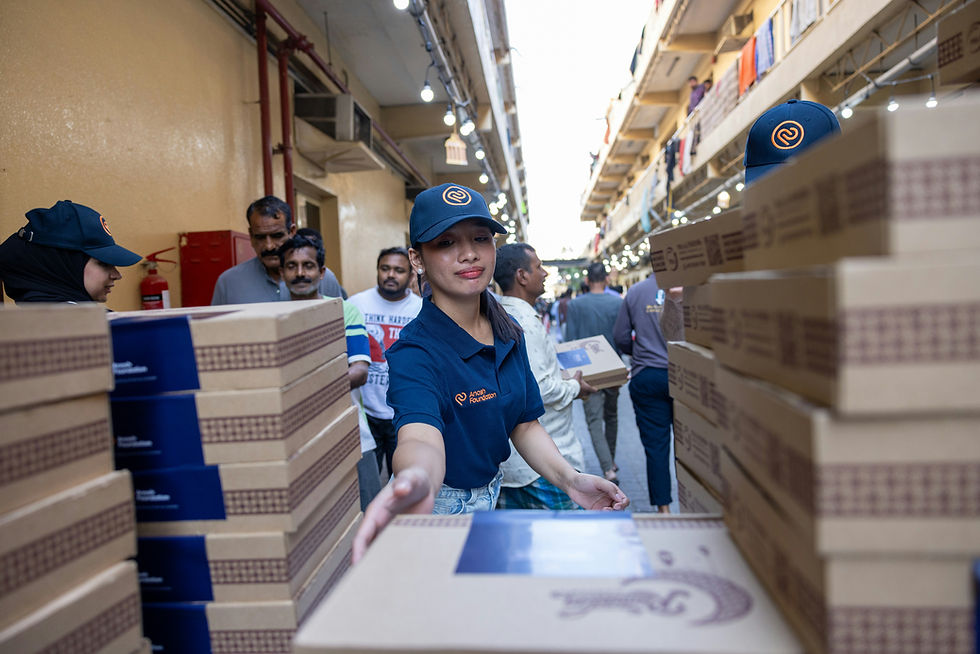
One of the most direct benefits of domestic pharmaceutical manufacturing is supply chain resilience and cost stabilization. In previous years, currency fluctuations, international shipping delays, and global logistical bottlenecks frequently led to price spikes or stockouts of vital medications. By manufacturing generic formulations, biosimilars, and medical consumables locally, manufacturers reduce freight overhead and customs friction.
For UAE residents and expat families, this translates into tangible financial relief over time. The UAE Ministry of Health and Prevention (MOHAP) sets strict price ceilings for prescription drugs. With locally produced generics entering the market at competitive price points, insurance providers can offer broader coverage tiers without exponentially hiking annual premiums.
While private healthcare costs remain a key budget item for expats, localized production provides a stabilizing counterweight against global medical inflation. (Note: Insurance premium adjustments and pharmacy pricing figures are indicative — verify with your insurance provider or bank).
Reduced shipping and cold-chain import overheads for regional distributors.
Faster time-to-market for vital seasonal and chronic illness medications.
Enhanced price competition driving down out-of-pocket prescription costs.
Career and Job Opportunities in the Growing UAE Bio-Pharma Hub
The expansion of pharmaceutical factories and R&D facilities is creating a wave of specialized employment opportunities across Dubai, Abu Dhabi, and Ras Al Khaimah. Historical hiring patterns in the UAE healthcare sector focused heavily on clinical staff like doctors and nurses. Today, the recruitment drive has broadened significantly into industrial biotechnology, quality assurance, regulatory compliance, and supply chain management.
For expat professionals with backgrounds in chemical engineering, pharmacology, clinical trial management, or biomedical data analytics, the GCC is rapidly turning into a top global destination. Salary packages in bio-manufacturing remain highly competitive, often paired with UAE Golden Visa eligibility under the skilled professionals and specialized talent categories.
Furthermore, joint ventures between global pharmaceutical companies and local healthcare entities are fostering knowledge transfer, creating internship pathways and research roles for university graduates right here in the UAE.
High-demand roles: Regulatory Affairs Managers, QA/QC Specialists, Validation Engineers, and Bioprocess Scientists.
Strategic hubs: Dubai Science Park, Dubai Industrial City, KIZAD Abu Dhabi, and RAK Pharma zone.
Residency perks: Eligibility for 10-year UAE Golden Visas for specialized scientific talent.
My advice for professionals looking to transition into UAE bio-tech: align your qualifications with MOHAP and DOH registration standards early to expedite your hiring process.
Key Players and Infrastructure Driving Dubai & Abu Dhabi Manufacturing
The rapid scaling of domestic pharmaceutical production is backed by substantial institutional capital and regional healthcare conglomerates. Entities such as PureHealth, Julphar, Globalpharma, and Burjeel Holdings have led major capital expenditures to construct modern facilities compliant with US FDA and European Medicines Agency (EMA) standards.
In Abu Dhabi, partnerships between sovereign wealth investment vehicles and global life science firms have turned the emirate into a regional vaccine and biologics hub. Meanwhile, Dubai's focus on specialized freezones enables seamless export routes to the broader Middle East, North Africa, and South Asia (MENASA) region.
Investors tracking listed regional healthcare equities on the DFM and ADX have seen increased activity as these companies expand their manufacturing portfolios and strategic acquisitions across the Middle East.
Julphar (Ras Al Khaimah): One of the largest insulin and generic medicine producers in the MEA region.
Globalpharma (Dubai Investments subsidiary): Key player in oral solid dosage forms and therapeutics.
LifePharma & Neopharma: Expanding regional manufacturing footprints for complex formulations.
Future Outlook: Biosimilars, AI, and Export Potential by 2030
Looking ahead toward the end of the decade, the UAE's pharmaceutical sector is moving beyond basic generics into high-value biosimilars, oncology treatments, and personalized medicine. The integration of AI in drug discovery and batch testing is further shortening development cycles for local producers.
With robust logistics hubs like Emirates SkyCargo and DP World, the UAE is well-positioned to become a net exporter of pharmaceuticals to emerging markets across Africa and Central Asia. For residents and investors alike, the sector represents a vital pillar of the UAE's broader economic diversification strategy away from oil revenues.
As domestic capacity matures, the UAE's healthcare ecosystem continues to demonstrate how strategic government vision combined with private sector investment can deliver world-class infrastructure and long-term economic stability.
Increased focus on local R&D and clinical trials conducted within UAE medical centers.
Targeted growth in export volumes to MENASA regional markets by 2030.
Adoption of AI-driven automation in quality control and batch monitoring.
FAQ
Is medicine cheaper in the UAE due to local manufacturing?
Locally manufactured generic medicines are generally priced lower than imported brand-name drugs, helping to lower overall prescription costs and co-pays for insured residents.
What qualifications are needed to work in UAE pharma manufacturing?
Most manufacturing roles require degrees in Pharmacy, Chemical Engineering, Chemistry, or Biotechnology, along with relevant licensing or registration from MOHAP or DHA.
Which UAE emirates host major pharmaceutical manufacturing hubs?
Dubai (Dubai Science Park and Dubai Industrial City), Abu Dhabi (KIZAD), and Ras Al Khaimah (Julphar's primary manufacturing base) are the main pharma hubs in the UAE.
Can foreign investors own 100% of a pharmaceutical company in the UAE?
Yes, under UAE FDI laws and within specialized freezones like Dubai Science Park, foreign investors can maintain 100% ownership of their bio-pharma ventures.
Useful Links
UAE Ministry of Health & Prevention · Dubai Science Park · Ministry of Industry & Advanced Technology · Dubai Industrial City · Gulf Health Council · Julphar Gulf Pharmaceutical Industries
Pair It With
Purehealth H1 2026 Financial Results Profit Growth · Dubai Investments Increases Ownership Clemenceau Medical Centre

— Angel Tyagi, Creator of Angel In Dubai
Prices, timings and availability may change — always check directly with the venue before visiting. Not sponsored.
Rates and figures are indicative and were correct as of 3 August 2026; they change often, so verify with the provider before acting. This is general information, not financial advice.
Photo by aboodi vesakaran via unsplash, Photo by Moutaman Kamal via unsplash, Photo by Anosh Ahmed via unsplash


Comments