


Abu Dhabi Fog Speed Limit Rules and Fines Guide 2026
Driving along the E11 highway toward Abu Dhabi at dawn, a thick blanket of sea fog rolled across the tarmac, cutting forward visibility to less than fifty metres. Ahead, the overhead electronic gantries flashed bright amber, dropping the posted speed limit from one hundred and forty down to eighty kilometres per hour in an instant.
For daily commuters between Dubai and the capital, sudden weather transitions trigger the UAE smart traffic management network. Understanding how dynamic speed reductions operate, when speed camera buffers disappear, and how to avoid heavy financial penalties keeps drivers safe and penalty-free throughout the winter fog season.
At a glance | Details |
|---|---|
Dynamic Speed Limit | 80 km/h on activated highway sections |
Activation Trigger | Visibility dropping below 200 metres |
Speeding Fine | AED 400 to 3000 based on excess speed |
Hazard Light Fine | AED 500 and 4 black points |
Heavy Truck Fine | AED 1000 and 4 black points |
How Abu Dhabi Dynamic 80 km/h Fog Speed Limits Operate
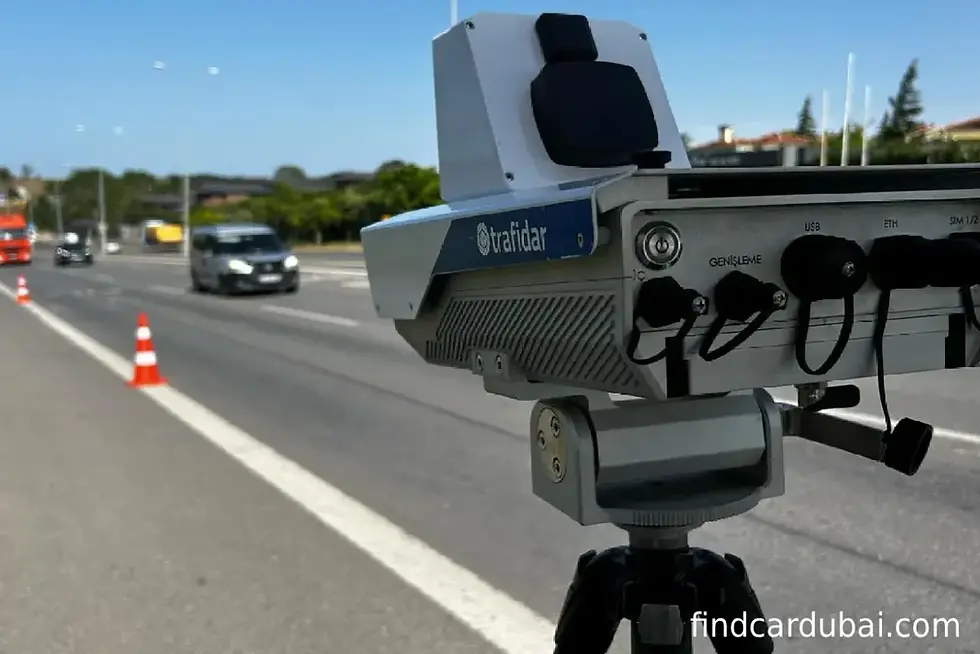
Variable speed controls enforced directly by Abu Dhabi Police monitor highway corridors to ensure driver safety during weather events. Whenever atmospheric visibility drops below two hundred metres, traffic control centres instantly reduce speed limits on major connecting expressways to eighty kilometres per hour. Overhead electronic message gantries light up with dynamic numerical displays to warn approaching motorists.
Unlike fixed speed signs, these digital limits supersede all standard road signs until weather conditions improve and civic safety teams deactivate the alert. Motorists must adhere strictly to the reduced limit displayed on the overhead smart signs regardless of previously posted road speeds.
Real-Time Electronic Gantry Synchronization
The transition to eighty kilometres per hour occurs electronically across entire highway sectors simultaneously. As soon as the electronic overhead gantries illuminate the reduced number, all automated enforcement radars within that designated sector update their internal trigger thresholds immediately.
Deactivation and Normal Traffic Resumption
Traffic management operators track visibility clearances using continuous highway surveillance cameras. Once fog burns off and clear driving conditions return, the electronic gantries revert to standard speed limits, instantly recalibrating speed cameras back to regular highway parameters.
Highway | Normal Limit | Fog Limit |
|---|---|---|
Sheikh Maktoum E11 | 140 km/h | 80 km/h |
Abu Dhabi Sweihan E20 | 140 km/h | 80 km/h |
Sheikh Khalifa E12 | 120 km/h | 80 km/h |
Al Ain Road E22 | 140 km/h | 80 km/h |
The usual twenty-kilometre radar buffer does not apply in Abu Dhabi, meaning speed cameras flash the moment your speedometer crosses eighty-one.
Smart Radar Calibration and the Elimination of Buffer Margins
In Abu Dhabi, standard speed limits do not include the twenty-kilometre buffer margin seen in several other emirates. When dynamic fog limits activate, smart radars capture violations starting precisely at eighty-one kilometres per hour. Motorists accustomed to driving slightly above the limit face immediate automated detection and ticketing.
Morning visibility forecasts issued by the National Center of Meteorology identify low-visibility patches across major transportation arteries. Speed monitoring devices on both sides of the carriageway operate in tandem with meteorological sensors to track traffic flow speeds and enforce compliance across every lane.
Automated Camera Adjustments for Low Light
Speed radars along major inter-emirate routes utilize infrared imaging sensors to photograph vehicle plates through dense fog without blinding drivers. The camera captures lane positioning, vehicle speed, and exact time of detection.
Multi-Sensor Environmental Weather Hubs
Automated weather stations installed alongside arterial highways record barometric pressure, relative humidity, and forward visual range, triggering dynamic speed changes automatically when conditions deteriorate.
Rely entirely on overhead electronic displays rather than conventional metallic speed limit signs
Maintain a minimum four-second following gap behind the vehicle ahead during low visibility
Refrain from abrupt overtaking maneuvers or erratic lane switching across foggy highway stretches
Activate standard low-beam headlights and dedicated fog lamps instead of blinding high-beam projectors
Fines and Penalties for Fog Speeding and Hazard Light Misuse
Federal traffic safety regulations documented on the UAE Government Portal outline the unified penalty system across all emirates. Exceeding the eighty-kilometre dynamic limit incurs tiered penalties, beginning at AED 400 for driving up to twenty kilometres over the limit, and rising up to AED 3000 alongside vehicle impoundment for severe infractions.
A frequent mistake made by inexperienced motorists is turning on hazard warning lights while moving through fog. Under federal traffic rules, using hazard lights while driving is prohibited and carries a fine of AED 500 along with four black traffic points. Hazard lights must be reserved strictly for stationary emergencies where a vehicle is stranded on the hard shoulder.
Never use hazard lights while moving through fog; keep them reserved strictly for emergency stops on the shoulder.
Four Steps to Check Fog Speed Alerts Before Your Morning Commute

Planning your morning journey across the E11 or E311 highway during foggy months requires active verification of official road status feeds. Commuters travelling from Dubai receive updates through Dubai Police channels regarding fog density along intercity routes before reaching border sectors.
Check morning weather alerts broadcast by national meteorological services to identify fog dense corridors.
Open official police mobile applications to review active dynamic speed reductions on your planned route.
Scan the first overhead electronic highway gantry after crossing the emirate border at Ghantoot for speed updates.
Set your vehicle speed limiter to eighty kilometres per hour as soon as illuminated speed signs appear.
Heavy Vehicle Restrictions and Truck Fleet Driving Bans
During dense fog episodes, heavy transport vehicles, articulated trucks, and passenger buses transporting workers are strictly barred from travelling on public roads. Fleet managers must direct their drivers to pull safely into designated truck rest areas or petrol station parking bays until police lift the driving ban.
Operating a heavy vehicle during fog ban periods results in an immediate AED 1000 fine and four black points added to the driver traffic file. Integrated transport advisories coordinated alongside RTA Dubai help manage merging corridors between the two emirates to prevent freight tailbacks from blocking commuter lanes.
Designated Laybys and Logistics Rest Plazas
Highway operators maintain dedicated truck staging areas equipped with basic driver amenities along major industrial transit routes. Drivers must remain parked until local civic authorities announce safe traveling conditions.
Corporate Fleet Liability and Monitoring
Logistics companies face corporate compliance audits if their commercial vehicles violate emergency weather restrictions, ensuring logistics operators prioritize roadway safety over tight delivery schedules.
Official Monitoring Channels and Highway Emergency Assistance
Official fog alerts broadcast across Emirates News Agency (WAM) announce highway speed limit changes in real time. Drivers encountering sudden zero-visibility conditions or vehicle mechanical issues should steer completely clear of active lanes onto the right shoulder, activate emergency hazard lights, and contact highway patrol services immediately.
Remaining vigilant and monitoring verified civic updates guarantees a safe commute across the UAE highway network even during unpredictable seasonal weather transitions.
Keep your mobile device notifications enabled for official traffic alerts to receive warning broadcasts before you depart.
FAQ
Does Abu Dhabi have a 20 km/h radar buffer during fog speed reductions?
No, Abu Dhabi does not have any speed buffer margin on its highways. When variable electronic gantries drop the speed limit to 80 km/h during fog, radars are calibrated to record violations at 81 km/h.
Can you drive with hazard lights on during foggy weather in the UAE?
No, driving with hazard lights flashing while moving through fog is illegal and attracts an AED 500 fine and 4 black points. Hazard lights must only be used when a vehicle is completely stopped due to an emergency or breakdown.
How do drivers know when the 80 km/h fog speed limit is lifted?
The reduced limit is lifted once overhead electronic gantries turn off the amber 80 km/h warning signs and return to displaying standard speed numbers or regular travel advisories. Abu Dhabi Police also broadcast all-clear notifications across digital platforms.
What is the fine for driving a truck during fog in Abu Dhabi?
Heavy vehicles, trucks, and worker transport buses face an AED 1000 fine and 4 traffic black points if found operating on public roads during restricted dense fog hours before police clearance is issued.
Useful Links
Abu Dhabi Police — check live variable speed limit updates
National Center of Meteorology — track satellite visibility scans and weather alerts
UAE Government Portal — verify federal traffic laws and driving penalties
Dubai Police — review smart radar enforcement and traffic alerts
RTA Dubai — inspect smart signboard traffic management guidelines
Emirates News Agency (WAM) — read official emergency speed activation bulletins
Pair It With

— Angel Tyagi, Creator of Angel In Dubai
Prices, timings and availability may change — always check directly with the venue before visiting. Not sponsored.
Story lead: gulfnews.com. Reporting can be updated or withdrawn after publication — always check the original before relying on anything here.
Rules, fees and deadlines change often. This is a general summary, not legal advice — confirm with the relevant UAE authority before acting.
Photo by UAE weather: Alert issued for fog; speed limit reduced due to poor ... via web, Photo by Dubai Speed Cameras: Locations, Fines, Limits & Radar Map Guide via web, Photo by web via web


Comments