


Dubai Truck Movement Restrictions from October 1: Peak Hours, Routes and Fines Guide 2026
Driving northbound along the junction of Sheikh Mohammed Bin Zayed Road at seven in the morning earlier this week, the sheer density of mixed commercial freight and private commuter traffic made the upcoming regulatory shift feel long overdue. Long queues of forty-foot multi-axle trailers maneuvering across merging lanes during school drop-off hours created bottlenecks that stretched several kilometers back into Dubai Investments Park.
Starting October 1, 2026, the Roads and Transport Authority introduces strict new peak-hour heavy vehicle restrictions designed to untangle urban highways and safeguard daily commutes. For logistics managers, fleet dispatchers, and everyday motorists navigating Dubai's key arteries, understanding these new timings, alternative bypass routes, and hefty enforcement fines is crucial before enforcement kicks off.
At a glance | Details |
|---|---|
Enforcement Date | 1 October 2026 |
Morning Restriction | 6:30 AM to 8:30 AM |
Evening Restriction | 5:30 PM to 8:00 PM |
Violation Penalty | AED 1,000 plus 4 points |
Primary Bypass | Emirates Road E611 |
Overview of Dubai Peak Hour Heavy Vehicle Restrictions from October 1
Dubai's expanding logistics sector handles thousands of cargo movements daily between industrial free zones, marine terminals, and residential communities. Executive infrastructure operational bulletins issued by the Emirates News Agency (WAM) confirm mandatory compliance starting October 1 across all commercial transport operators. The regulatory framework targets heavy vehicles exceeding 2.5 tonnes in gross weight, restricting their access to designated urban highway lanes during prime rush hours.
The initiative addresses persistent traffic bottlenecks during morning and evening rush hours when office workers and school buses share high-speed corridors with heavy freight haulers. By shifting non-urgent freight transit into dedicated midday and nighttime windows, the transport authority aims to increase average highway speeds by twenty percent while significantly reducing multi-vehicle collision risks.
Scope of Regulated Vehicles
The restriction applies to articulated lorries, cement mixers, flatbed trailers, and rigid trucks with unladen weights above two and a half tonnes. Light commercial delivery vans, passenger buses, and emergency utility vehicles remain exempt from the peak prohibition.
Objective for Urban Flow
Traffic simulation models show that clearing heavy vehicles from main expressways during commuter surges prevents stop-and-go wave effects at major interchange merges. The resulting flow stabilization saves thousands of commuter hours each week.
Restricted Corridors and Permitted Alternative Bypass Routes
Not all Dubai roads face identical restriction levels under the updated rules. Sheikh Zayed Road E11 and central business thoroughfares maintain a permanent daytime ban on standard heavy transit, redirecting cross-emirate freight away from central districts entirely. Designated industrial unloading stations coordinated alongside Dubai Municipality remain accessible via industrial arterial bypass connectors during controlled midday operational windows.
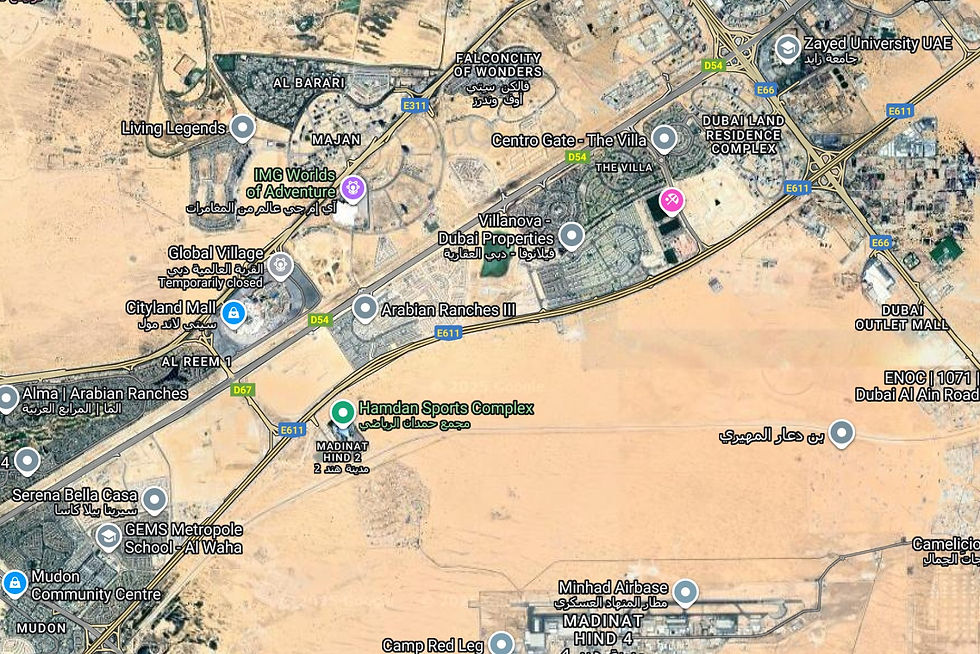
Freight transit traveling between Abu Dhabi and the northern emirates of Sharjah, Ajman, and Ras Al Khaimah must divert onto outer bypass corridors. Emirates Road E611 remains completely open around the clock, functioning as the premier heavy transport backbone of the emirate. Sheikh Mohammed Bin Zayed Road E311 accommodates heavy vehicles only during specified off-peak hours.
Keep your dispatch schedules synchronized with real-time GPS traffic monitoring because radar cameras log violations the second the morning restriction window begins.
Peak Restriction Hours and Schedule Breakdown Across Major Highways
The enforcement timetable divides daily road usage into distinct operational categories to balance supply chain mobility with citizen commute requirements. Morning peak restrictions take effect sharply at 6:30 AM and run through 8:30 AM, aligning with peak office travel and student transport. Evening peak controls commence at 5:30 PM and extend until 8:00 PM across standard dual-carriageway arteries.
Between 10:00 AM and 4:00 PM, freight operators gain access to secondary industrial routes and selected expressway sections, facilitating intermediate warehouse replenishments. Nighttime freight corridors open fully from 10:00 PM until 6:00 AM, allowing heavy distribution fleets to supply major commercial retail centres and construction sites with minimal traffic disruption.
Corridor | Peak Timing | Allowed Window |
|---|---|---|
Sheikh Zayed E11 | Prohibited all day | Special night permit |
Al Khail E44 | Morning and evening | Midday and overnight |
MBZ Road E311 | Morning and evening | Ten AM to four PM |
Emirates Road E611 | Open twenty-four hours | Unrestricted heavy transit |
Driver Penalties, Black Points, and Radar Enforcement Systems

Enforcement across Dubai's highway grid relies on automated smart surveillance systems rather than manual police checkpoints. Smart traffic radars monitored around the clock by Dubai Police automatically capture non-compliant heavy vehicle license plates when they cross gantry sensors during prohibited windows. Unified federal highway traffic regulations published on the UAE Government Portal mandate four black points for prohibited heavy vehicle transit alongside monetary penalties.
Commercial fleet owners face compounded administrative liabilities if multiple vehicles within a single trade license violate restriction windows concurrently. Heavy transport operators cannot plead lack of awareness, as electronic variable message signs across the road network broadcast real-time restriction notices in multiple languages.
Heavy vehicle transit during prohibited peak windows carries an official AED 1,000 fine according to Dubai Police regulations
Drivers accumulating four traffic black points on their commercial driving license for each unauthorized transit violation
Stopping or waiting on emergency highway shoulders results in an immediate AED 500 penalty under federal traffic law
Failure to display an active digital RTA transit permit incurs a separate AED 500 administrative citation
Unauthorized heavy vehicles operating in central residential neighborhoods face vehicle impoundment for up to fourteen days
Step-by-Step Procedure to Apply for an RTA Heavy Truck Permit
Logistics companies moving urgent perishable cargo or supporting vital construction projects during restricted hours can request exceptional electronic permits. Heavy transport operators must submit electronic clearance requests directly to RTA Dubai before dispatching freight convoys across urban corridors. The online system evaluates real-time traffic load forecasts before granting temporary transit passes.
Access the official commercial licensing portal using your corporate digital credentials
Select the heavy vehicle movement permit service from the commercial transport dashboard
Enter the commercial vehicle plate number, driver details, and designated delivery route
Upload the consignment invoice along with justification for required peak-hour access
Settle the administrative permit fee of AED 100 per day through the digital payment gateway
Download the electronic QR permit barcode to present at smart road inspection checkposts
Submit your temporary corridor permit applications at least forty-eight hours ahead of heavy deliveries to prevent logistics delays during peak seasonal shipping periods.
Strategic Commuter and Fleet Management Advice for Autumn 2026
Adapting to the October 1 changes requires forward planning for both logistics businesses and daily motorists. Commercial fleet managers must re-engineer driver duty shifts, staging trucks in dedicated lay-by rest facilities along the outer bypass corridors before delivery cut-offs. Emergency infrastructure maintenance transports chartered alongside DEWA hold pre-approved utility corridor access dispensations during critical repairs to prevent civil service disruptions.
For regular car commuters, the restrictions promise noticeably lighter highway merges and reduced lane weaving along Sheikh Mohammed Bin Zayed Road. However, passenger car drivers should remain cautious near expressway exits where heavy vehicles transition toward outer bypass ramps, leaving ample stopping distance around large commercial transport rigs.
Logistics Dispatch Adjustments
Warehouse operators should schedule primary loading cycles between midnight and five in the morning to allow highway transit before the initial six-thirty AM restriction commences.
Commuter Route Optimization
Motorists can take advantage of improved mid-morning arterial speeds on Al Khail Road, but should anticipate denser truck volumes along Emirates Road E611 throughout the workday.
FAQ
What time are trucks banned in Dubai from October 1 2026?
Starting October 1 2026, heavy trucks are prohibited from using major urban highways during the morning peak from 6:30 AM to 8:30 AM and the evening peak from 5:30 PM to 8:00 PM. Certain dense corridors, including Sheikh Zayed Road, enforce round-the-clock restrictions requiring specialized night permits.
What is the fine for driving a truck during prohibited hours in Dubai?
Under the UAE Federal Traffic Law enforced by Dubai Police, operating a heavy vehicle on restricted roads during peak prohibited hours results in an official fine of AED 1,000 and four black points added to the driver license. Repeat violations within a single calendar year can lead to vehicle impoundment.
Which Dubai highway is completely open to heavy trucks 24 hours a day?
Emirates Road (E611) serves as the primary designated freight artery and remains open to heavy commercial trucks twenty-four hours a day without peak-hour timing restrictions. It allows logistics operators to travel between Abu Dhabi, Dubai, and northern emirates without entering central urban zones.
How can logistics companies obtain emergency peak-hour truck permits?
Logistics firms and contractors can apply for exceptional transit permits online through the Roads and Transport Authority commercial services portal. Applications require route details, cargo manifests, and an official fee of AED 100 per vehicle per day, subject to automated traffic density approval.
Useful Links
Emirates News Agency (WAM) — read official executive transport regulatory decrees
Dubai Municipality — verify industrial logistics zoning and site permits
Dubai Police — check traffic fine schedules and radar enforcement
UAE Government Portal — review federal traffic law black points regulations
RTA Dubai — apply for commercial vehicle transit permits online
DEWA — coordinate utility maintenance and emergency transport access
Pair It With

— Angel Tyagi, Creator of Angel In Dubai
Prices, timings and availability may change — always check directly with the venue before visiting. Not sponsored.
Story lead: khaleejtimes.com. Reporting can be updated or withdrawn after publication — always check the original before relying on anything here.
Rules, fees and deadlines change often. This is a general summary, not legal advice — confirm with the relevant UAE authority before acting.
Photo by RTA carries field inspection of vehicle tyres in Dubai via web, Photo by Emirates Road E611 Dubai – Connectivity, Metro, & Investment via web, Photo by web via web


Comments