


Dubai Underground Transport Network: 2026 Tunnel Masterplan, Routes and Commuter Guide
Standing at the intersection near Financial Centre during the evening rush hour, watching red taillights stretch into a motionless ribbon along Sheikh Zayed Road, the scale of Dubai traffic becomes impossible to ignore. Even with the metro humming overhead and flyovers stacked three levels high, surface roads carry more than three million passenger journeys every single day.
The unveiling of the Dubai masterplan for subterranean fast-transit tunnels marks the biggest strategic shift in how the city moves people since the Red Line opened in 2009. Digging deep beneath the urban grid to create dedicated underground express corridors and automated transit pathways promises to cut cross-city travel times by more than half before the decade ends.
At a glance | Details |
|---|---|
Target Launch | Initial phases operational by 2026 to 2030 |
Travel Time Cut | Up to 60 percent reduction on key corridors |
Key Hubs | Downtown Dubai, DIFC, Dubai Marina and DXB |
Transit Tech | Autonomous pods and automated underground shuttles |
Governing Body | Roads and Transport Authority in Dubai |
Inside the 2026 Subterranean Masterplan
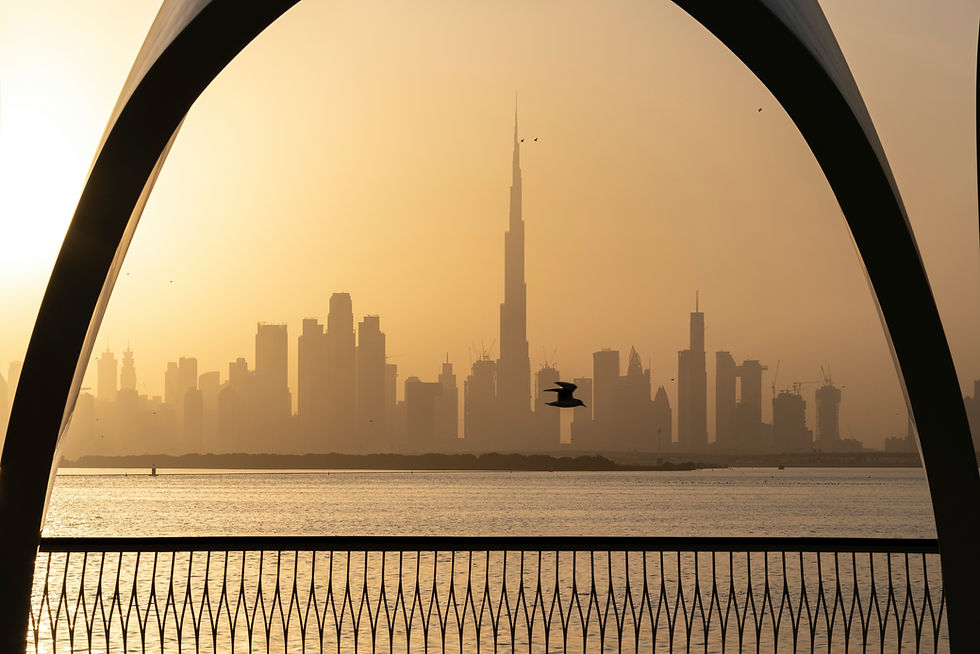
Official project briefs published by the Roads and Transport Authority detail multi-layer subterranean conduits engineered to isolate through-traffic from local district streets. The infrastructure blueprint creates deep-level corridors that route express commuter journeys straight beneath Dubai dense central spine. By tunneling through bedrock rather than cutting open surface streets, construction teams can excavate complex transit networks without paralyzing daily urban movement.
The project addresses the compounding capacity limits of Sheikh Zayed Road, where peak-hour vehicle counts regularly test surface capacity. Rather than attempting to add more lanes to existing viaducts, engineers are moving long-distance traffic underground. These subterranean tubes separate long-distance express transit from short-hop neighbourhood trips, establishing direct routes between financial hubs and residential districts.
Driving down into a climate-controlled tunnel bypass will soon feel as routine as boarding an express elevator across central Dubai.
Fast Travel Corridors and Critical Connection Hubs
Flight crews and business travellers heading to Dubai Airports will access direct subterranean bypasses that avoid surface airport road bottlenecks. The subterranean corridors link major passenger nodes, including Dubai International Financial Centre, Business Bay, Downtown Dubai, and Dubai Marina. Commuters moving between these core employment centers currently face dozens of traffic signals and congested highway mergers.
The initial corridor alignment prioritizes north-south express connectivity. Instead of navigating surface interchanges where local exits cause severe deceleration waves, subterranean express lanes allow steady cruising speeds of 80 to 100 kilometers per hour. Connecting ramps feed directly into major commercial parking structures and subterranean concourses, eliminating the final surface mile of congestion.
Corridor | Surface Peak | Tunnel Time |
|---|---|---|
DIFC to Marina | 50 to 65 mins | 18 to 22 mins |
DXB to Downtown | 35 to 45 mins | 12 to 15 mins |
Business Bay to Creek | 30 to 40 mins | 10 to 12 mins |
Autonomous Pods and Multi-Modal Transit Integration
National smart mobility targets logged on the UAE Government Portal outline how automated passenger carriers interface directly with mainline metro hubs. The tunnel masterplan is designed specifically for autonomous public transport systems rather than serving solely as conventional roadways. Purpose-built electric pods running along dedicated subterranean pathways will carry thousands of passengers every hour with near-zero dwell times between departures.
This multi-modal network plugs directly into existing Dubai Metro Red Line stations and future Blue Line extensions. Commuters stepping off a train will walk into climate-controlled subterranean boarding docks, boarding electric shuttles that travel directly to their destination tower basement. The integrated network removes the friction of stepping out into summer heat or hailing street-level taxis for short urban hops.
Subterranean Feeder Pods
Autonomous electric pods operating inside segregated tunnel tubes run at headways as short as 90 seconds during peak morning hours. Passengers summon or board pods through digital ticketing apps, moving continuously through grade-separated subterranean tubes without crossing pedestrian paths or surface traffic lights.
Bypassing Surface Heat and Congestion
Subterranean stations and transfer tubes maintain a steady indoor temperature between 22 and 24 degrees Celsius throughout the year. Commuters moving between commercial towers in DIFC and Downtown can traverse entire city blocks underground, avoiding 45-degree summer pavement walks and pedestrian wait times at surface crossings.
Traffic Alleviation Targets for Daily Commuters
Statistical forecasts released through the Dubai Media Office project a reduction of 150000 vehicle hours lost to congestion daily across key arterial routes. Removing through-traffic from surface roads unlocks substantial breathing room for local neighborhood traffic, delivery vans, and school bus routes. When long-distance commuters drop below ground, surface streets experience immediate drops in travel times and idling queues.
The strategic value of subterranean corridors extends beyond saving personal commute time. Reduced surface idling directly lowers local vehicle emissions around dense residential and retail quarters. The shift provides the transport grid with the capacity required to support Dubai population growth toward 5.8 million residents by 2040 without succumbing to perpetual gridlock.
Reduction of 40 to 60 percent in peak travel times between northern and southern employment corridors.
Lower carbon emissions by keeping electric transit fleets moving at constant speeds underground.
Direct underground basement connections for more than 40 high-rise commercial and residential towers.
Buffer against surface road closures during major national events and endurance races.
Cutting forty minutes from an evening commute shifts your entire quality of life in Dubai from surviving traffic to enjoying your home.
Safety Systems and Subterranean Emergency Protocols
Emergency management frameworks coordinated with Dubai Police incorporate continuous thermal sensors and automated barrier systems at every tunnel portal. Operating deep underground in extreme desert climate conditions demands specialized engineering redundancies. Dual-bore tunnel designs separate opposing traffic streams completely, preventing head-on collisions and isolating airflow systems in emergency scenarios.
High-capacity ventilation shafts spaced at 250-meter intervals can reverse airflow within seconds to exhaust vehicle emissions and keep escape corridors pressurized. Automated deluge sprinkler networks and fire-resistant concrete linings ensure the subterranean structure withstands extreme heat loads while guiding passengers toward pressurized cross-passage safety doors.
Sensors detect vehicle stalls or sudden decelerations within 3 seconds and trigger portal warning signs.
Automated variable speed limits drop dynamically while ventilation fans reverse smoke flow toward extraction shafts.
Integrated emergency vehicle lanes allow first responder buggies to reach any subterranean point within 4 minutes.
How Commuters Can Plan Around Construction and Phasing
Travellers organizing multi-stop itineraries through Visit Dubai should monitor transport updates when scheduling trips between heritage districts and the southern coast. Construction teams rely on massive pressurized tunnel boring machines working deep underground, which confines the bulk of physical excavation far below active street levels. Major arterial boulevards will remain open throughout drilling phases, avoiding the broad surface trench closures seen in historic metro builds.
Commuters should expect temporary lane diversions primarily around designated tunnel portal construction sites and subterranean ventilation shafts. Early works center near junction interchanges along the E11 and Al Khail Road corridors. Following official transport announcements and planning alternate routes around designated excavation perimeters ensures smooth daily travel while the subterranean network takes shape.
FAQ
Will private cars be allowed to drive in the Dubai underground tunnels?
The masterplan prioritises public transit, automated feeder shuttles, and electric commercial carriers in early operational phases. Regulated private vehicles will have access to designated bypass corridors via dynamic Salik toll gantries during off-peak hours to manage underground traffic density.
How will underground transit fares compare to standard Dubai Metro tickets?
Integrated Nol card ticketing will apply across subterranean transit routes, with standard zones aligned to existing RTA fare structures starting from AED 3 for single-zone trips. Express point-to-point subterranean pods may carry a modest premium similar to Gold Class metro seating.
When will the first Dubai underground tunnel corridors open to the public?
Initial pilot testing for autonomous tunnel feeder segments begins in 2026, with primary subterranean bypass corridors scheduled for staged public commissioning between 2028 and 2030. Priority is given to high-congestion links connecting DIFC, Business Bay, and Dubai International Airport.
How deep underground are Dubai transit tunnels being built?
Tunnel boring machines are boring at depths between 25 and 40 meters below the surface. This depth allows the network to pass cleanly beneath major building pilings, utility lines, and existing underground Dubai Metro tunnels without disturbing street-level infrastructure.
Useful Links
Roads and Transport Authority — Check official transport development masterplans
Dubai Airports — View passenger terminal transfer connection details
UAE Government Portal — Read national smart mobility legislation targets
Dubai Media Office — Review government infrastructure press statements
Dubai Police — Access emergency traffic guidance protocols
Visit Dubai — Explore official visitor navigation resources
Pair It With

— Angel Tyagi, Creator of Angel In Dubai
Prices, timings and availability may change — always check directly with the venue before visiting. Not sponsored.
Story lead: thenationalnews.com. Reporting can be updated or withdrawn after publication — always check the original before relying on anything here.
Photo by Thomas Winkler via unsplash, Photo by Ziad Al Halabi via unsplash


Comments