


Dubai Urban Master Plan 2026: LIVEX Guide to Walkable Communities and Upgrades
Early yesterday morning, I laced up my running shoes to test the newly finished shaded footway connecting the residential streets of Al Barsha to the community square. Instead of dodging traffic across asphalt access roads, I walked beneath a broad timber pergola lined with young ghaf trees and desert bougainvillea, with the outdoor thermometer reading thirty-one degrees at eight in the morning.
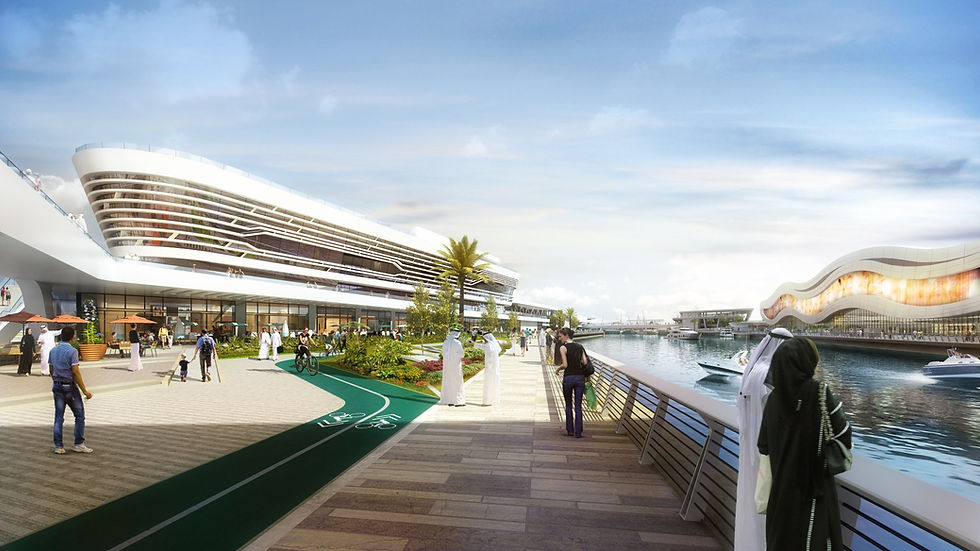
For years, living in suburban Dubai meant jumping into the car for even the smallest errand, whether buying fresh bread or picking up school supplies. The five major urban development agreements signed at the LIVEX 2026 summit mark a deliberate shift away from car-centric sprawl, channeling municipal investment into walkable neighborhood corridors, community micro-parks, and everyday retail strips that you can reach on foot.
At a glance | Details |
|---|---|
Key framework | Dubai 2040 LIVEX 2026 |
Pedestrian goal | 80% needs within 20 mins |
New cycle tracks | 115 km RTA routes in 2026 |
Pocket parks | 45 new neighborhood zones |
Speed cap | 30 km/h on community streets |
What the 2026 LIVEX Agreements Mean for Dubai Neighborhoods

During the opening of LIVEX 2026, the Emirates News Agency (WAM) confirmed five landmark urban development partnerships designed to speed up the transformation of older residential areas into walkable districts. Rather than focusing exclusively on high-rise commercial corridors or newly reclaimed coastlines, these agreements allocate municipal and private development resources directly into established suburban communities. The target is clear: retrofit existing low-density family zones with continuous pedestrian walkways, pocket parks, and shaded public spaces.
The first phase covers fourteen residential communities across the emirate, prioritizing areas where suburban villa clusters currently lack safe, non-vehicular access to basic services. Planners are widening pedestrian sidewalks from 1.2 meters to 3.5 meters and installing continuous tree canopies. Instead of having to drive three kilometers along an arterial road to buy groceries, residents will be able to navigate neighborhood corridors protected from traffic.
The 20-Minute City Target and Pedestrian Corridors
According to guidelines published on the Dubai 2040 Urban Master Plan portal, the emirate aims to place 80 percent of daily resident needs within a brief commute. In practice, that means schools, clinics, daily grocers, and public transit nodes should sit within a twenty-minute walk, cycle, or scooter ride from every front door. Planners are achieving this by introducing shaded micro-climate corridors that lower ground-level ambient heat through passive architectural wind-funnels and native shade trees.
Neighborhood lanes that previously encouraged speeds of 60 km/h are being narrowed, equipped with speed tables, and flanked by separated micro-mobility paths. This layout encourages families to step outside on foot for school drop-offs and weekend errands rather than backing the family car out of the garage.
District | Upgrade | Timeline |
|---|---|---|
Al Barsha 2 | Shaded pedestrian green link | Q4 2026 |
Al Warqa 3 | Pocket parks with cycle tracks | Early 2027 |
Nad Al Sheba | Retail plaza walkable arcade | Mid 2027 |
Public Park Expansions and Micro-Parks Across Communities
Under the current initiative led by Dubai Municipality, the emirate is building 45 new neighborhood pocket parks to ensure that no resident lives farther than a five-minute walk from open green space. These are quiet, community-scaled green plazas tucked between residential rows, integrating soft rubber play surfaces, shaded benches, and automated drinking fountains.
The environmental framework also enforces strict water conservation rules across every new neighborhood park. Grass lawns are paired with dense stands of drought-tolerant native plants that sustain local biodiversity while cutting municipal water demand by more than half.
Native Landscaping and Temperature Reduction
Landscapers are replacing decorative turf with native ghaf trees, sidr, and desert palms. These species thrive in local soil and provide dense overhead canopies that drop ground surface temperatures by four to six degrees Celsius during sunny afternoons. Smart subsurface drip irrigation systems ensure that zero recycled water evaporates before reaching tree root networks.
Dedicated Dog Runs and Outdoor Fitness Hubs
Each pocket park design includes fenced dog agility zones and calisthenics workout stations equipped with weather-resistant steel bars. For pet owners and early-morning runners, having these facilities within 300 meters of home eliminates the need to pack gear into a vehicle just to complete a daily exercise routine.
Sitting on a shaded park bench four minutes from my kitchen without hearing highway traffic felt like a preview of how everyday life in suburban Dubai should feel.
Suburban Retail Strips Replacing Car Trips to Malls
One of the most practical changes under the 2026 community framework is the shift from monolithic regional shopping malls to open-air neighborhood retail strips. For decades, grabbing an espresso or picking up dinner ingredients meant parking in multi-level garages and navigating cavernous mall corridors. The new master plan designates zoned commercial frontage along primary pedestrian walkways in residential sectors.
Local developers are building compact community arcades anchored by boutique grocers, neighborhood pharmacies, dry cleaners, and independent cafes. Because these retail hubs face shaded footpaths instead of multilane highways, parents can comfortably send older children to pick up fresh bread without worrying about highway traffic.
Neighborhood grocers sized between 400 and 800 square meters for daily staples
Walkable community pharmacy and wellness clinics within 500 meters of homes
Outdoor seating terraces for independent cafes shaded by solar canopies
Dedicated micro-mobility drop zones with charging docks for electric scooters
RTA Pedestrian Corridors and Micro-Mobility Integration
Infrastructure engineers and planners at the RTA Dubai have commenced construction on 115 kilometers of protected bike tracks and pedestrian walkways spanning major residential clusters. These corridors run parallel to residential lanes, physically separated from vehicle traffic by landscaped bioswales and stone curbs. By connecting directly to local bus stops and metro stations, the network creates a seamless first-and-last-mile transit link.
Traffic calming measures accompany the physical tracks. Community streets across pilot districts now enforce a strict 30 km/h speed limit, complemented by raised pedestrian crosswalks and curb extensions that shorten street-crossing distances for strollers and wheelchairs.
Leaving the car keys by the front door because the school path is completely separated from morning commuter traffic changes your daily morning routine entirely.
How Community Livability Upgrades Impact Property and Daily Life
Quality of life metrics tracked on the UAE Government Portal show that pedestrian-friendly master-planned districts record significantly higher resident satisfaction scores and healthier lifestyle outcomes. Beyond personal well-being, community connectivity carries a measurable financial impact. Villas and townhouses located within 400 meters of landscaped walking corridors and pocket parks now command rental premiums between 8 percent and 12 percent compared to isolated subdivisions.
Utility distribution plans managed through DEWA incorporate decentralized solar-powered street lamps and greywater recycling systems across community walkways, keeping district service fees predictable. For residents weighing long-term lease renewals or property purchases, neighborhood walkability has shifted from a luxury marketing bullet point into a core valuation criterion.
Checking Your Community Status on Master Plan Portals
Residents can verify whether their community is scheduled for 2026 pedestrian upgrades by checking municipal planning maps and developer disclosure filings. Look for designated green spine easements and approved RTA cycling network connections in your area master plan before signing a long-term lease.
Practical Budgeting for Walkable Neighborhoods
While rents in pedestrian-focused districts carry an initial premium of AED 10,000 to AED 25,000 annually, families frequently offset that expense through reduced fuel costs, lower ride-hailing bills, and fewer car maintenance visits. Living where daily errands require comfortable walking shoes rather than a full tank of fuel delivers genuine long-term savings.
FAQ
What is the 20-minute city concept in the Dubai Urban Master Plan?
The 20-minute city concept aims to allow residents to access 80 percent of their daily service needs, groceries, and leisure facilities within a 20-minute walk or bicycle ride from their doorstep. The framework redesigns neighborhood corridors with continuous shade, direct footpaths, and distributed community retail plazas.
Which Dubai areas are receiving new pedestrian upgrades under LIVEX in 2026?
Initial 2026 upgrades focus on established suburban family communities including Al Barsha, Al Warqa, Nad Al Sheba, and parts of Dubailand. These districts are receiving new shaded walking corridors, micro-parks, and traffic-calmed streets that safely connect homes to nearby schools and clinics.
How does the Dubai 2040 master plan improve public green spaces?
The plan commits to doubling Dubai's public green and recreational areas while ensuring that over 55 percent of the emirate is designated as natural reserves. Neighborhood parks are being upgraded with native desert flora, smart greywater irrigation, and continuous shaded tracks situated within a 400-meter walk of residential homes.
Will pedestrian corridors in Dubai be usable during high summer temperatures?
Yes, new corridors utilize smart urban design including high-canopy trees, wind funnels, solar-reflective paving, and active misting points at rest stops. These passive and active cooling techniques drop ambient ground temperatures by 4 to 7 degrees Celsius, extending comfortable outdoor walking seasons by several months.
Useful Links
Emirates News Agency (WAM) — official government announcements and agreements
Dubai 2040 Urban Master Plan portal — official portal for urban development targets
Dubai Municipality — public park upgrades and municipal zoning
RTA Dubai — cycling tracks and pedestrian corridor plans
UAE Government Portal — national quality of life strategy guidelines
DEWA — sustainable community power and utility connections
Pair It With

— Angel Tyagi, Creator of Angel In Dubai
Prices, timings and availability may change — always check directly with the venue before visiting. Not sponsored.
Story lead: Zawya. Reporting can be updated or withdrawn after publication — always check the original before relying on anything here.
Photo by unsplash via unsplash, Photo by Master Planning in Dubai Park | Urban master plan design, Modern urban ... via web


Comments