


How to Buy US Treasury Bonds in UAE: 2026 Broker Platforms and Yield Guide
Standing on the mezzanine floor of the Dubai International Financial Centre on a humid Monday morning, I watched the trading monitors flash updated fixed-income yields alongside our morning macchiatos. The US 10-year Treasury yield hovered at 4.15 percent as of 5 October 2026, and regional wealth managers were debating one persistent theme: locking in high-grade sovereign dollar debt before global central banks advance further into their easing cycles.
For those of us earning, saving, and investing in the United Arab Emirates, fixed income carries an inherent advantage that global investors envy. The Emirati Dirham has maintained an official fixed peg of 3.6725 AED to the US Dollar since 1997, meaning holding US Treasuries eliminates foreign exchange conversion risk entirely. Navigating the practical mechanics of purchasing T-bills and notes from Dubai requires understanding licensed brokerage channels, international custody fees, and the vital documentation that shields your coupons from foreign withholding tax.
At a glance | Details |
|---|---|
10-Year Yield | 4.15% as of 5 October 2026 |
Dirham Peg | Fixed 3.6725 AED per USD since 1997 |
Minimum Ticket | USD 1,000 via retail brokerages |
Withholding Tax | 0% on portfolio interest with W-8BEN |
Settlement Cycle | T+1 day for secondary market notes |
The Dollar Peg Advantage for UAE Fixed Income Investors

The monetary policy framework established by Central Bank of the UAE anchors local liquidity to US Federal Reserve decisions, ensuring money market rates stay closely aligned. Because the dirham is pegged at 3.6725 per dollar, UAE residents holding dollar-denominated assets take zero currency conversion loss when transferring capital between local accounts and dollar brokerage balances. This structural stability makes sovereign debt an appealing alternative to local savings deposits.
Direct public issuance data published by US Department of the Treasury shows the 10-year Treasury note yielding an indicative 4.15 percent as of 5 October 2026, though yields fluctuate continually and investors must verify current quotes. Locking in these multi-year yields provides predictable cash flows for expatriates planning future commitments in dollar-pegged or dollar-denominated environments.
Every investor must recognize that fixed income markets carry duration risk and secondary market pricing volatility prior to maturity. This analysis is for educational purposes only; this is not financial advice, and historical coupon reliability does not promise future capital returns.
Broker Platforms Offering US Treasuries to UAE Residents
Financial firms registered with the Securities and Commodities Authority provide onshore investor protection rules, although many residents also deploy global accounts operating under foreign regulatory oversight. When evaluating trading desks, investors must compare initial funding minimums, custody charges, and secondary market spreads across institutions.
Self-directed trading accounts opened through Interactive Brokers allow UAE residents to trade sovereign debt directly from their mobile devices with ticket sizes beginning at USD 1,000 as of 5 October 2026, subject to broker approval. Premium fixed income desks offered by Saxo Bank provide comprehensive access to both government debt and corporate credit, charging an indicative annual custody fee of 0.15 percent as of 5 October 2026.
Broker | Min Deposit | Custody Fee |
|---|---|---|
Interactive Brokers | USD 0 | 0.00% annual |
Saxo Bank | USD 2,000 | 0.15% annual |
Sarwa Invest | USD 500 | 0.25% annual |
Step-by-Step Guide to Purchasing US Treasury Bills in Dubai
Acquiring US government paper from the UAE is straightforward once identity verification is completed. Retail investors can establish their holdings through five consecutive actions designed to optimize transfer fees and legal compliance.
Open an account with a licensed broker and complete passport plus Emirates ID verification.
Submit form W-8BEN electronically inside the platform profile settings to claim portfolio interest tax exemption.
Fund your brokerage wallet in USD using local bank wire transfers to minimize currency conversion slippage.
Search the bond screener using US Treasury CUSIP codes or maturity dates such as 3-month or 1-year T-bills.
Enter a limit order specifying nominal quantity, noting an indicative minimum unit of USD 1,000 as of 5 October 2026.
Treasury Yields and Duration Choices for Expat Portfolios

Selecting the appropriate maturity requires balancing immediate cash yields against reinvestment and interest rate risks. Short-dated paper captures attractive rates without price volatility, whereas longer-dated notes lock in income streams across changing macroeconomic conditions.
Portfolio builders frequently construct a bond ladder across multiple maturity intervals to ensure ongoing liquidity while preserving overall portfolio yield.
Treasury bills offer short-term maturities of 4 to 52 weeks with an indicative annualized yield of 4.60 percent as of 5 October 2026.
Treasury notes span 2 to 10 years offering fixed semi-annual coupons with an indicative yield of 4.15 percent as of 5 October 2026.
Treasury bonds provide 20 to 30 year long-term duration yielding an indicative 4.40 percent as of 5 October 2026.
Floating rate notes adjust coupons quarterly based on recent 13-week Treasury bill auction discount rates.
I keep six months of emergency cash in rolling three-month T-bills because the yield beats traditional call accounts without locking capital.
US Tax Withholding and W-8BEN Compliance for Foreign Residents
Statutory guidelines maintained by the Internal Revenue Service classify US Treasury interest earned by non-resident foreign individuals as portfolio interest, exempting it from the standard 30 percent withholding tax. To access this statutory exemption, UAE tax residents must supply a certified Form W-8BEN to their brokerage platform prior to receiving their first coupon distribution.
While portfolio interest on government debt escapes US withholding, dividends from US-domiciled equity ETFs holding Treasuries are taxed at 30 percent unless structured via offshore UCITS funds domiciled in Ireland. Individual bond ownership completely sidesteps this dividend leakage, making direct Treasury purchases more tax-efficient for UAE expatriates.
Funding Strategies and Bank Transfer Costs Between Dubai and New York
Transfer efficiency directly shapes net annualized performance when deploying capital into dollar fixed income from the Emirates. Minimizing friction requires careful attention to correspondent banking routes and account denominations.
Minimizing SWIFT Routing Charges
Sending international wire transfers from local UAE banks can incur fixed SWIFT charges between AED 50 and AED 105 per transaction as of 5 October 2026, indicative — verify with the bank/developer before sending. Consolidating larger periodic contributions preserves net yield compared to frequent small remittances.
Utilizing Multi-Currency Accounts
Opening a native USD account at your local bank enables direct currency purchases at the official 3.6725 peg rate without retail branch retail markups. Verifying recipient intermediary correspondent charges ensures the full principal arrives in your brokerage cash balance on settlement day.
FAQ
Do UAE residents pay US tax on Treasury bond interest?
Non-US citizens residing in the UAE are exempt from US withholding tax on Treasury bond interest under the portfolio interest exemption. By filing Form W-8BEN with your broker, coupon payments are disbursed at gross value with zero US tax deduction.
What is the minimum amount needed to buy US Treasuries from Dubai?
Most international brokerages operating in the UAE require a minimum order value of USD 1,000 for secondary market Treasury bills and notes. Certain fractional bond platforms and treasury exchange-traded funds allow entry points as low as USD 100.
Can I buy US Treasuries through UAE local banks?
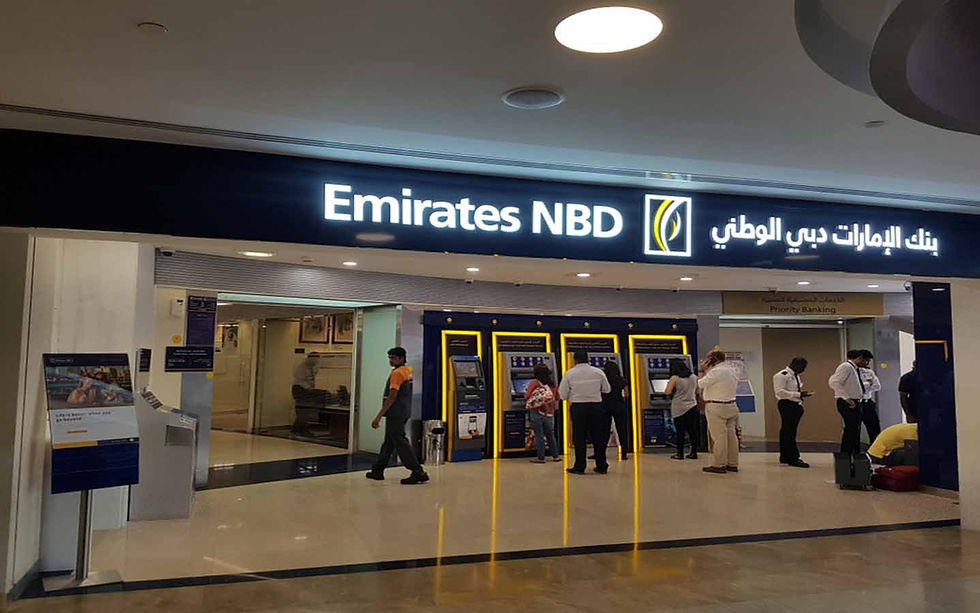
Several local institutions including Emirates NBD and First Abu Dhabi Bank offer direct bond execution through their private banking and wealth management desks. However, traditional private bank desks often require minimum investment balances starting from USD 100,000.
How does the AED-USD peg protect bond investors in the UAE?
Because the Central Bank of the UAE maintains a pegged exchange rate of 3.6725 AED per USD, converting funds to purchase dollar bonds carries virtually zero currency fluctuation risk. When coupon payments or bond principal mature in dollars, repatriating them into dirhams preserves full nominal value.
Useful Links
Central Bank of the UAE — Check official peg and monetary policy rates
US Department of the Treasury — Review auction dates and debt figures
Securities and Commodities Authority — Verify licensed financial brokers in UAE
Interactive Brokers — Access global bond trading desk portal
Saxo Bank — Explore multi-asset custody and bond offerings
Internal Revenue Service — Download W-8BEN forms and tax guidelines
Pair It With

— Angel Tyagi, Creator of Angel In Dubai
Prices, timings and availability may change — always check directly with the venue before visiting. Not sponsored.
Story lead: khaleejtimes.com. Reporting can be updated or withdrawn after publication — always check the original before relying on anything here.
Rates and figures are indicative and were correct as of 5 October 2026; they change often, so verify with the provider before acting. This is general information, not financial advice.
Photo by Document Attestation Services in UAE via web, Photo by AI-generated illustration via gemini, Photo by AI-generated illustration via gemini


Comments