


ICE Murban Crude Futures Trading in UAE: 2026 Hedging Guide
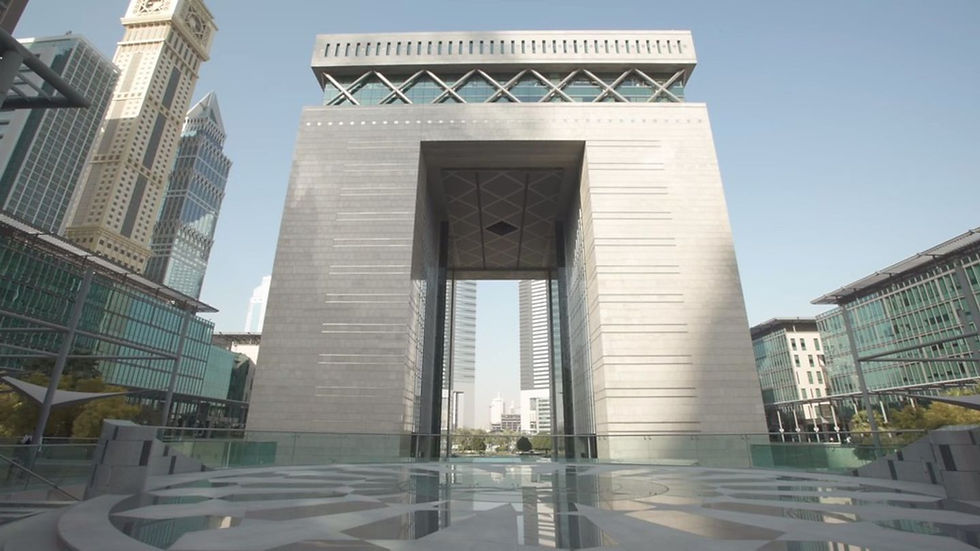
Inside a commodities trading suite overlooking the DIFC gate building, three multi-screen workstations flicker with live order books for ICE Murban crude futures and Singapore gasoil crack spreads. It is 10:30 AM in Dubai, exactly when liquidity bridges the Tokyo afternoon session and the opening bell across European energy hubs.
With global clean and dirty tanker freight rates experiencing sharp route volatility throughout 2026, physical oil traders and regional family offices across the UAE are turning to localized derivatives to lock in maritime transport margins. Navigating exchange-cleared contracts on ICE Futures Abu Dhabi and the Dubai Gold and Commodities Exchange has shifted from an exotic corporate treasury tactic into standard operating risk management.
At a glance | Details |
|---|---|
Primary Benchmark | ICE Murban Crude Oil Futures (ADM) |
Trading Venues | ICE Futures Abu Dhabi and DGCX |
Contract Size | 1,000 barrels per futures contract |
Delivery Point | Fujairah oil terminal deepwater berths |
Initial Margin | USD 6,850 per contract as of October 2026 |
Market Regulator | Financial Services Regulatory Authority ADGM |
The Mechanics of ICE Murban Crude Futures

ICE Murban crude futures trade on ICE Futures Abu Dhabi under the contract ticker ADM, representing 1,000 barrels of light, sweet crude oil with an API gravity of 40.2 degrees and a low sulfur content of 0.78 percent. As of October 2026, daily trading volume across the exchange averaged 142,000 contracts according to market performance reports published by ICE Futures Abu Dhabi. These volume figures and pricing benchmarks are indicative and fluctuate with daily market liquidity; traders must verify live spreads directly with their registered broker. This analysis is prepared strictly for institutional market education and does not constitute financial advice.
The contract settles physically free-on-board at the Port of Fujairah, establishing a direct pricing benchmark for medium-to-light Middle Eastern crude grades destined for Asia-Pacific refineries. By trading in US dollars per barrel with a tick size of USD 0.01 per barrel (USD 10 per contract), the contract mirrors international liquidity standards while eliminating the geopolitical transit risk associated with navigating crude shipments through the Strait of Hormuz.
Trading Murban derivatives allows regional desks to isolate commodity price risk from maritime canal delays and bunker fuel surcharges.
Freight Volatility and East of Suez Arbitrage Hedging
Global maritime tanker rates have seen elevated fluctuations throughout 2026, with Very Large Crude Carrier day rates on the Arabian Gulf to Far East route ranging between USD 42,000 and USD 78,000 per day as of October 2026 according to the Baltic Exchange. When shipping costs surge, the landed price spread between Brent, Dubai, and Murban crude widens, forcing commodity merchants to execute cross-commodity hedges.
Hedging Physical Cargoes Against Tanker Swings
When tanker availability tightens and freight spot rates spike, trading houses hold long positions in physical barrels while selling equivalent IFAD futures contracts forward. This locks in the outright commodity value while allowing the cargo owner to negotiate voyage charter parties without exposure to falling FOB cargo premiums.
Managing Refinery Netback Discrepancies
Asian coastal refiners utilize Murban futures alongside forward freight agreements to preserve crack margins on middle distillates. By locking in the Murban-Brent differential at Fujairah, refiners protect their feedstock processing economics against sudden bunker fuel escalation and regional canal transit congestion.
Trading Venues Compared: IFAD versus DGCX
Derivative traders operating from the UAE select between two primary domestic trading venues depending on whether their book requires physical crude delivery or financial hedging. Both exchanges maintain rigorous electronic matching engines but serve distinct liquidity profiles across global commodity desks.
The Dubai Gold & Commodities Exchange operates electronic futures markets for precious metals, currencies, and energy derivatives under federal market regulations. Regulatory authorization for IFAD trading participants falls under the Abu Dhabi Global Market financial center framework for market infrastructure.
Feature | IFAD ADM | DGCX DCO |
|---|---|---|
Underlying | Physical Murban crude | Cash-settled WTI and Brent |
Settlement | Physical FOB Fujairah | Cash settled in USD |
Regulator | ADGM FSRA jurisdiction | SCA federal oversight |
Choosing between IFAD and DGCX comes down to whether your counterparty requires physical Fujairah loading rights or cash-settled portfolio protection.
Physical Settlement and Fujairah Terminal Logistics
Unlike cash-settled crude contracts that expire against index averages, expiring ICE Murban contracts result in physical cargo delivery at the Port of Fujairah oil complex. The crude is transported directly via the 370-kilometre Habshan-Fujairah pipeline, bypassing the Strait of Hormuz and terminating at dedicated deepwater marine loading jetties with a capacity of 1.5 million barrels per day.
Terminal operations align with national infrastructure directives documented on the UAE Government Portal regarding maritime logistics, energy trade, and strategic industrial corridors. Holders of short positions must ensure oil allocation through ADNOC Onshore terminals, while buyers must nominate accredited VLCC or Suezmax tankers compliant with international safety vetting protocols before the monthly delivery deadline.
Physical delivery lot size of 1,000 barrels per contract with delivery in standard commercial parcels of 500,000 barrels
Mandatory buyer vessel nomination submitted by the eighth calendar day of the expiration month
Terminal loading tolerance set at plus or minus five percent of total nominated volume
Quality inspection verification performed by independent international surveying agencies at the berth manifold
Margin Requirements and Capital Management Rules
Trading commodity futures requires strict adherence to clearinghouse initial and variation margin protocols. As of October 2026, ICE Clear Abu Dhabi maintains an initial margin requirement of USD 6,850 per Murban crude contract, with maintenance margins set at USD 6,200 as reported by exchange clearing schedules. Margin rates are indicative and subject to intra-day adjustments during heightened geopolitical volatility; market participants must verify current leverage parameters directly with their clearing member. No investment strategy guarantees positive returns, and derivative trading carries the risk of total principal loss.
Corporate treasury teams managing foreign exchange exposure alongside commodity positions must also monitor AED-USD conversion facilities overseen by the Central Bank of the UAE to ensure collateral accounts maintain adequate liquidity. While the UAE dirham peg provides currency stability for local accounts, dollar-denominated variation margin calls require active treasury monitoring during European and US trading sessions.
An unexpected five-dollar swing in crude differentials can trigger six-figure variation margin calls on a standard fifty-contract hedge.
Licensing Requirements and Exchange Onboarding Steps
Establishing a prop trading desk, corporate hedging arm, or family office commodity vehicle in the UAE requires structured regulatory authorization before accessing exchange order books. Corporate entities registered onshore must secure commercial derivatives broker-dealer or proprietary trading approvals from the Securities & Commodities Authority, ensuring full compliance with federal anti-money laundering and client money protection frameworks.
Offshore legal structures situated in the Dubai International Financial Centre or ADGM operate under distinct commercial licensing authorities while maintaining direct clearing relationships with international prime brokers. Institutional firms navigating the setup process follow a defined sequence of statutory milestones.
Establish an incorporated commercial entity or branch office within a recognized financial free zone such as ADGM or DIFC.
Obtain the relevant commercial trading or market intermediary category license from the Securities & Commodities Authority or the FSRA.
Appoint a designated compliance officer and submit institutional anti-money laundering policies for regulatory verification.
Execute clearing agreements with an authorized ICE Clear Abu Dhabi general clearing member and fund segregated margin accounts.
FAQ
Can individual retail investors in the UAE trade ICE Murban crude futures?
Individual retail investors can trade ICE Murban futures if they open an account with an authorized broker that offers retail access to ICE Futures Abu Dhabi. However, brokers typically classify retail clients under professional investor criteria due to the contract size of 1,000 barrels and high initial margin requirements.
What happens if a trader does not close out a Murban futures contract before expiration?
Because ICE Murban is a physically deliverable contract, market participants holding open positions past the cessation of trading on the last trading day of the contract month enter the mandatory physical delivery mechanism at Fujairah. Speculative traders who do not intend to take delivery must roll their positions into the next active contract month prior to expiration.
Are commodity futures profits subject to corporate tax in the UAE?
Under UAE corporate tax legislation as of October 2026, qualifying free zone persons conducting qualifying activities including treasury management and derivatives trading for their own account may benefit from a 0 percent corporate tax rate, provided they satisfy economic substance and de minimis non-qualifying revenue thresholds. General onshore corporations are taxed at the standard 9 percent headline rate.
How does the Habshan-Fujairah pipeline protect Murban crude pricing?
The Habshan-Fujairah pipeline allows up to 1.5 million barrels per day of onshore crude to flow directly to the Indian Ocean coast, bypassing the maritime chokepoints of the Arabian Gulf. This geographical advantage provides security of supply to buyers and reduces war-risk shipping insurance premiums reflected in the Murban physical premium.
Useful Links
ICE Futures Abu Dhabi — Access official Murban contract specifications and exchange notices
Dubai Gold & Commodities Exchange — Review regional commodity derivatives contracts and rules
Abu Dhabi Global Market — Explore financial regulatory laws and market registers
UAE Government Portal — Inspect UAE federal infrastructure strategies and logistics
Central Bank of the UAE — Review central bank monetary regulations and financial rules
Securities & Commodities Authority — Check UAE commodities market broker licensing standards
Pair It With

— Angel Tyagi, Creator of Angel In Dubai
Prices, timings and availability may change — always check directly with the venue before visiting. Not sponsored.
Story lead: Zawya. Reporting can be updated or withdrawn after publication — always check the original before relying on anything here.
Rates and figures are indicative and were correct as of 19 October 2026; they change often, so verify with the provider before acting. This is general information, not financial advice.
Rules, fees and deadlines change often. This is a general summary, not legal advice — confirm with the relevant UAE authority before acting.
Photo by Arctic Glacier Ice via web, Photo by Big Dodzy via unsplash


Comments