


Oqood 2.0 Dubai Property Pre-Registration System: DLD Buyer & Developer Guide
Sitting at a Dubai Trustee office in Business Bay earlier this month, I watched a property buyer complete an off-plan unit pre-registration in under ten minutes using their smartphone. The streamlined experience was powered by Dubai Land Department's upgraded Oqood 2.0 system, which has completely overhauled how off-plan contracts and initial property titles are processed across the emirate.
For investors and end-users entering Dubai's off-plan market, Oqood is far more than administrative paperwork—it is the legal foundation that guarantees your ownership rights before a building is completed. As DLD continues digitizing real estate infrastructure through its smart ecosystem, understanding Oqood 2.0 is essential for verifying developer escrow accounts, tracking construction milestones, and securing your initial property registration certificate.
What is Oqood 2.0 and How Does the DLD System Work?

Oqood (the Arabic word for 'contracts') is an online portal managed by Emirates Real Estate Solutions (ERES) under the oversight of Dubai Land Department (DLD). First introduced to regulate off-plan property sales, the system requires developers to pre-register every off-plan unit before accepting buyer deposits or issuing formal Sales and Purchase Agreements (SPAs).
The deployment of Oqood 2.0 in 2026 brings enhanced integration with UAE PASS, real-time escrow account monitoring, and instant synchronization with the Dubai REST App. This ensures that every contract logged on the system reflects verified property boundaries, approved payment schedules, and DLD-compliant terms.
Core Legal Purpose of Pre-Registration
Pre-registration on Oqood grants the buyer an Initial Property Register certificate (often referred to as the Oqood certificate). This document legally records your beneficial ownership of the off-plan unit in DLD's central database prior to physical handover.
Key Upgrades in Oqood 2.0 for 2026
The updated 2.0 framework introduces automated document validation, direct API connections to approved UAE escrow banks, and instant digital NOC processing for off-plan assignments.
Step-by-Step Off-Plan Pre-Registration Process for Buyers
Navigating off-plan pre-registration involves specific legal milestones between the buyer, developer, and Dubai Land Department. Once an SPA is signed, the developer is legally obligated to initiate the Oqood pre-registration entry within a set timeframe.
Buyers can track the status of their registration in real time via the Dubai REST application by inputting their SPA number or project plot details. Once approved, DLD generates a digital Oqood certificate featuring a QR code for instant authenticity verification.
Registration Stage | Document Issued | DLD Fee Standard | Average Processing Time (2026) |
|---|---|---|---|
Off-Plan Pre-Registration (Oqood 2.0) | Initial Property Register Certificate | 4% of purchase price + admin fees (as of September 2026) | Instant digital generation upon developer submission |
Off-Plan Resale / Assignment | Oqood Transfer Certificate & Developer NOC | 4% DLD transfer fee + NOC fee (capped at AED 5,000 as of September 2026) | 1 to 2 working days via Oqood 2.0 portal |
Final Title Deed Conversion | Official DLD Title Deed (Freehold) | AED 580 title deed issuance fee (as of September 2026) | 1 to 3 working days post-completion audit |
Always request your initial Oqood pre-registration certificate from your developer within 30 days of signing the SPA to confirm your escrow deposit is registered with DLD.
DLD Oqood Fees, Escrow Protection, and Payment Verification

Financially, Oqood registration is tied to the standard Dubai Land Department transfer fee structure. As of September 2026, the DLD registration fee stands at 4% of the total unit purchase price, typically split or paid by the buyer as specified in the sales contract (source: Dubai Land Department, indicative — verify with developer).
Additionally, Oqood 2.0 enforces strict escrow account linking. Developers cannot receive buyer installments into operational accounts; all funds must be deposited into a project-specific escrow account registered with the Central Bank of the UAE and monitored by DLD.
Fee Calculation Standards
The 4% fee is calculated on the net purchase price indicated in the registered SPA. Any subsequent addendums modifying the purchase price must be updated on Oqood 2.0 to adjust the fee balance.
Escrow Disbursement Milestones
Under DLD regulations, escrow funds are released to developers only when accredited project auditors certify specific construction progress milestones on the portal.
Standard 4% DLD registration fee based on contract value (as of September 2026, source: DLD).
Knowledge Fee (AED 10) and Innovation Fee (AED 10) per transaction (as of September 2026).
Oqood admin registration fee of AED 1,000 to AED 4,000 depending on unit type and trustee handling (indicative — verify with trustee).
Mandatory payment routing through DLD-approved project escrow accounts.
Developer Compliance & Mandatory Audit Standards on Oqood 2.0
For real estate developers operating in Dubai, Oqood 2.0 serves as the primary compliance interface with RERA (Real Estate Regulatory Agency). A developer cannot market or pre-register units without possessing active project registration, land title clearance, and an authorized escrow account.
The system automatically flags unverified listings or unauthorized inventory, preventing double-selling of units and maintaining strict data accuracy across Dubai's property registry.
Project Verification Protocols
Before a single unit is logged on Oqood 2.0, DLD verifies that the developer owns the development land or holds an authorized master development agreement.
Automated Inventory Controls
Each unit within a tower or community receives a unique DLD parcel ID, ensuring that floor plans and suite dimensions match approved municipal engineering blueprints.
How Oqood 2.0 Protects Investors During Off-Plan Resales
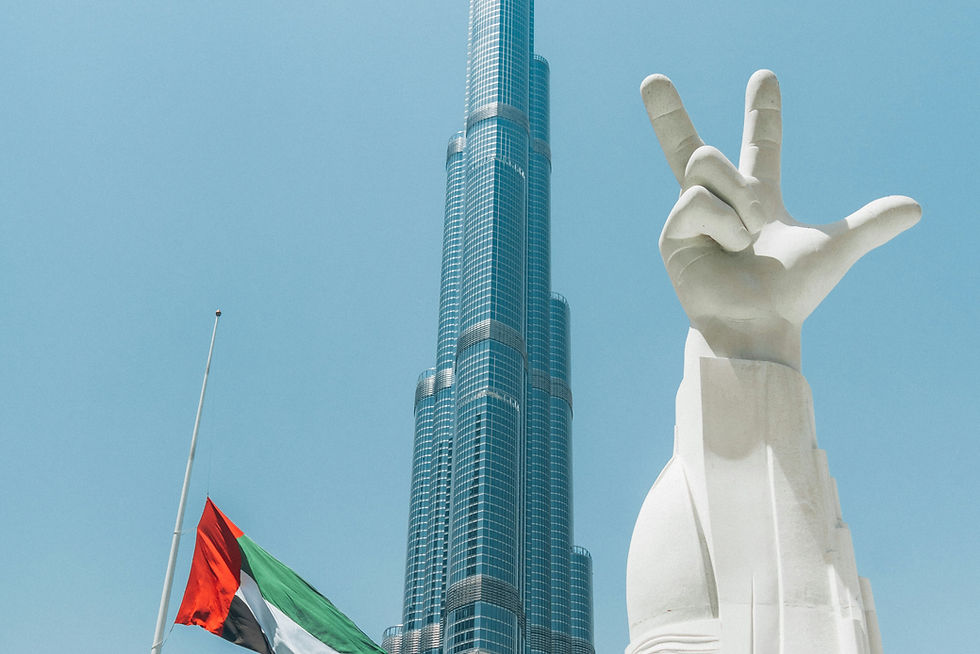
Trading off-plan property prior to completion—known as an off-plan resale or assignment—is a common practice in Dubai. Oqood 2.0 streamlines this process by providing a secure digital NOC workflow between seller, buyer, and developer.
To complete an off-plan assignment, the seller must meet the developer's minimum equity payment threshold (typically 20% to 30% of the unit value as reported in market data as of September 2026, indicative — verify with developer). Once approved, the existing Oqood certificate is cancelled and reissued to the new buyer.
Verification of seller's cleared payments against project escrow receipts.
Submission of digital NOC request by the master developer via Oqood 2.0.
Payment of NOC issuance fee (capped by DLD at AED 5,000 as of September 2026).
Re-issuance of updated Initial Property Register in the new buyer's name.
When buying an off-plan resale, never transfer personal funds to a seller until an official developer NOC and Oqood transfer request are validated on the Dubai REST app.
Impact on Dubai Market Transparency and Valuations
The integration of Oqood 2.0 provides unprecedented market transparency. Because every off-plan transaction is recorded instantly on DLD servers, market analysts and valuation experts can track real-time sales volume and pricing trends without lag.
Investors tracking major market movements through our [dubai off-plan launches tracker](dubai-off-plan-new-launches-tracker) or reviewing [dubai real estate weekly sales volume reports](dubai-real-estate-weekly-sales-volume-2026) benefit directly from this data integrity. Even buyers considering structured purchases like [Downtown Dubai properties with down payments](downtown-dubai-property-10-percent-downpayment) rely on Oqood data to verify historical transaction benchmarks before signing.
Disclaimer: This guide is written for market journalism and educational purposes only and does not constitute financial, legal, or real estate investment advice. All figures, fees, and rules are indicative as of September 2026 and subject to official updates by Dubai Land Department.
FAQ
What is the difference between an Oqood certificate and a Title Deed in Dubai?
An Oqood certificate is an Initial Property Register document for off-plan properties under construction. A Title Deed is the final legal ownership document issued by Dubai Land Department after the property is completed and handed over.
How long does it take to get an Oqood certificate after buying off-plan?
Once the SPA is signed and the 4% DLD fee is paid, the developer submits the application via Oqood 2.0. Processing typically takes between 24 hours to 30 days depending on developer submission speed.
How much is the DLD Oqood registration fee in 2026?
As of September 2026, the standard DLD registration fee is 4% of the property purchase price, plus administrative and trustee fees ranging from AED 1,000 to AED 4,000 (indicative — verify with developer and DLD).
Can I sell my off-plan property before receiving the Oqood certificate?
No, Dubai Land Department requires an active Oqood pre-registration certificate and developer NOC before any off-plan resale or transfer of ownership can be legally executed.
Useful Links
Dubai Land Department Official Portal · UAE Government Portal · Dubai Municipality · RTA Dubai Official Site · Dubai Police E-Services · Dubai Land Department Instagram
Pair It With
Dubai Off Plan New Launches Tracker · Dubai Real Estate Weekly Sales Volume 2026 · Downtown Dubai Property 10 Percent Downpayment

— Angel Tyagi, Creator of Angel In Dubai
Prices, timings and availability may change — always check directly with the venue before visiting. Not sponsored.
Story lead: khaleejtimes.com. Reporting can be updated or withdrawn after publication — always check the original before relying on anything here.
Rates and figures are indicative and were correct as of 3 September 2026; they change often, so verify with the provider before acting. This is general information, not financial advice.
Rules, fees and deadlines change often. This is a general summary, not legal advice — confirm with the relevant UAE authority before acting.
Photo by Monody Le via unsplash, Photo by Damian Kamp via unsplash, Photo by Damian Kamp via unsplash, Photo by Juan Domenech via unsplash


Comments