


How to Start a Confectionery and Snack Import Business in Dubai: 2026 Montaji Registration, Licensing and Distribution Costs
Standing in the buzzing exhibition hall at Dubai World Trade Centre, I watched a European chocolatier hand out samples of sea-salt caramel truffles to a crowd of Gulf retail buyers. The packaging was immaculate, but every experienced distributor in the room kept asking the exact same practical questions: is the barcode already registered on Montaji, does the gelatin have approved Halal certification, and who holds exclusive UAE agency rights?
The consumer appetite for premium confectionery, imported biscuits, and healthy packaged snacks across UAE hypermarkets is booming. Yet transitioning from passionate food importer to a licensed distribution powerhouse requires far more than finding great tasting products. You need a rock-solid roadmap covering commercial licensing, cold-chain storage approvals, municipal barcode clearance, and port customs logistics.
At a glance | Details |
|---|---|
Commercial License | AED 24,000 to AED 32,000 as of October 2026 |
Montaji Product Fee | AED 220 per barcode as of October 2026 |
Import Customs Duty | 5 percent CIF valuation as of October 2026 |
Food Safety Portal | Dubai Municipality Montaji system |
Primary Port | Jebel Ali Port customs terminal |
Trade Sourcing Hub | Dubai World Trade Centre exhibitions |
Commercial Trade Licensing and Mainland DED Structure
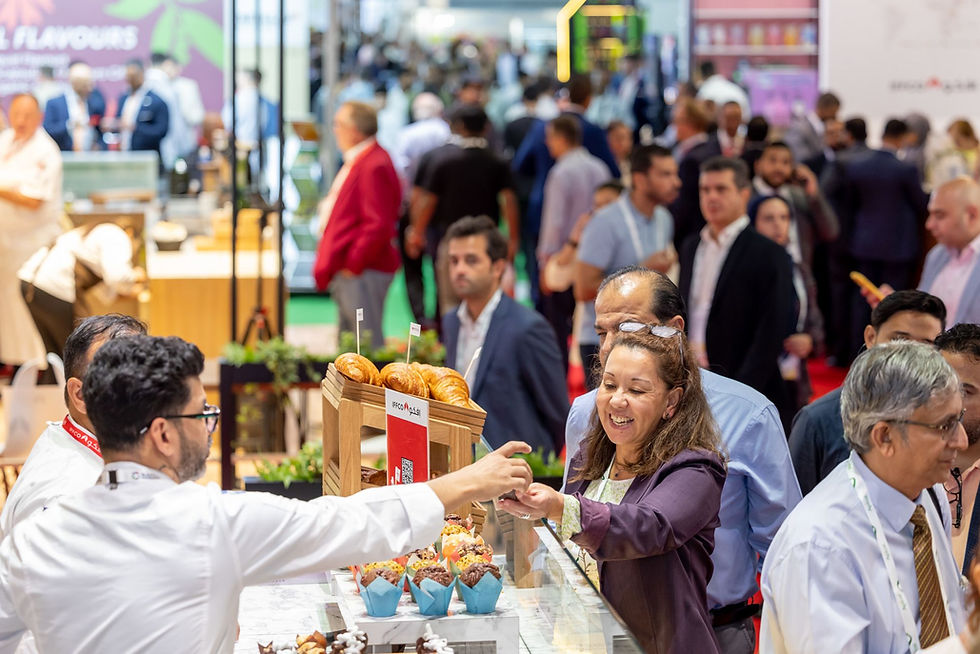
Launching a commercial confectionery and snack distribution business in the UAE requires selecting between a mainland license and a free zone setup. If your commercial objective is supplying supermarket chains such as Spinneys, Carrefour, Choithrams, and local convenience stores directly, an onshore commercial license issued by the Dubai Department of Economy and Tourism (DET) is practically essential. Free zone trading entities face legal boundaries that prohibit direct mainland retail delivery without appointing a local mainland logistics partner or paying local customs intermediary fees.
Official trade guidance published on the UAE Government Portal confirms mainland commercial licenses allow unrestricted distribution to domestic supermarkets. A standard commercial trading license for foodstuff and confectionery wholesale currently costs between AED 24,000 and AED 32,000 as of October 2026, sourced from DET, indicative — verify with licensing authorities. This baseline fee covers your initial commercial registration, trade name reservation, and municipal administrative charges.
Securing an active membership with the Dubai Chamber of Commerce is essential for authenticating international agency contracts and commercial invoices. You will also need a commercial office space registered under Ejari. While small import agencies often begin by renting shared business spaces to control early overheads, your trade license dossier must include verified lease paperwork before municipal inspectors grant food trading activity approvals.
Temperature-Controlled Warehousing and Food Facility Approvals
Imported confectionery presents severe logistical challenges in the Middle East climate. Chocolates bloom and spoil when exposed to temperatures above 24 degrees Celsius, while gummies and baked wafers turn rancid rapidly under high humidity. The Dubai Municipality Food Safety Department enforces strict environmental compliance rules requiring all commercial food warehouses to maintain ambient holding temperatures between 18 and 22 degrees Celsius alongside calibrated digital temperature logging systems.
Warehouse lease rates across primary industrial districts like Al Quoz, Ras Al Khor, and Dubai South average between AED 40 and AED 75 per square foot annually as of October 2026, sourced from commercial listings, indicative — verify with property managers. New entrepreneurs who lack the upfront capital to lease an entire 2,000-square-foot facility frequently partner with certified third-party logistics (3PL) providers. A licensed 3PL warehouse handles storage, stock auditing, and municipal food inspections on a per-pallet monthly basis, usually running AED 65 to AED 95 per pallet spot as of October 2026.
Install automated 24-hour temperature and humidity logging sensors throughout storage bays.
Implement pest control contracts certified by municipal pest management departments.
Establish raised pallet racking kept at least 15 centimetres above warehouse floor level.
Maintain separated quarantine sections for damaged packaging or returned stock.
Never commit to overseas inventory before your warehouse Ejari passes the municipal food inspection, or your containers will sit accumulating demurrage at the port.
Step-by-Step Food Registration on the Montaji Portal
Every single packaged item entering local retail shelves must be registered with Dubai Municipality through the digital Montaji portal. Montaji serves as the digital gateway for consumer safety, verifying that every food product sold in Dubai complies with local public health standards, ingredient thresholds, and packaging declarations.
Attempting to ship confectionery containers to Dubai before receiving electronic Montaji approval is the single most expensive mistake rookie importers make. Without an approved product registration certificate linked directly to your customs profile, customs inspectors will place your goods in mandatory port quarantine or issue a re-export order.
Create and authenticate your commercial food trading account on the Dubai Municipality portal.
Upload clear artwork images of product packaging showing ingredients, nutritional facts, and net weight.
Submit the manufacturer certificate of analysis and laboratory test report confirming heavy metal and preservative limits.
Pay the standard product assessment fee of AED 220 per barcode as of October 2026, sourced from Dubai Municipality, indicative — verify with municipal fee schedules.
Receive the digital Montaji registration certificate required for customs clearance release.
Halal Compliance and Packaging Label Standards
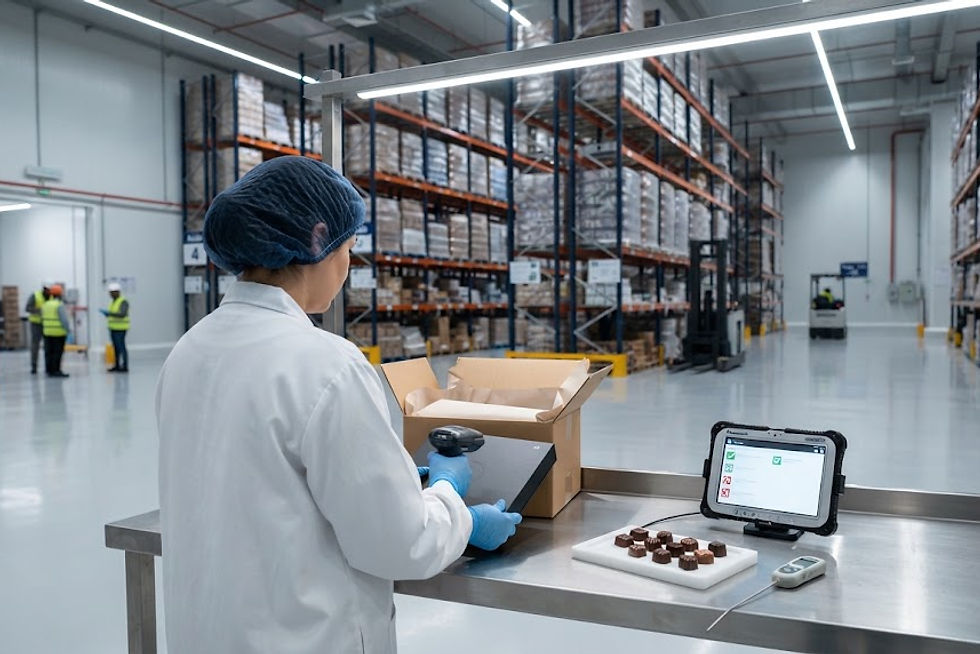
Mandatory UAE technical regulations issued by the Ministry of Industry and Advanced Technology govern Arabic nutritional labels and shelf-life declarations. Confectionery and snacks face detailed scrutiny because many European and Asian treats utilize animal-derived additives, processing enzymes, and alcohol-based flavor carriers that violate UAE safety and cultural regulations.
Ensuring compliance before production lines run overseas will protect your business from costly product rejections at port of entry.
Gelatin Sourcing and Animal Derivative Verification
Confectionery items containing gelatin, such as gummy candies, marshmallows, and frosted biscuits, must use certified bovine sources. If an imported snack contains animal gelatin, the importer must present a recognized Halal slaughter certificate issued by an approved Islamic body accredited by UAE authorities in the country of origin. Porcine gelatin and pork fats are strictly prohibited in mainstream consumer food items, and products containing them will be rejected immediately upon chemical screening.
Bilingual Arabic Labeling and Expiry Formats
All consumer snack packaging must display a clear bilingual Arabic and English label. The label must state the product commercial name, net weight, country of manufacture, full ingredient list, allergen warnings, storage instructions, and production plus expiration dates. If the original factory packaging does not feature Arabic, importers can apply printed bilingual adhesive stickers, provided the sticker cannot be removed without damaging the packaging and date formats follow the Day Month Year standard.
Dubai Customs Clearance and Port Inspection Logistics
Importers must obtain a valid customs client code from Dubai Customs before clearing sea freight at Jebel Ali Port. The customs registration process requires submitting your valid commercial trade license, chamber of commerce registration, and passport copies of the authorized company manager.
Exclusive brand representation agreements fall under federal commercial agency rules administered by the Ministry of Economy across all seven emirates. Once your shipment arrives at Jebel Ali Port or Dubai Cargo Village, your customs broker submits an import declaration through the Mirsal II online system. Packaged snack consignments incur a standard customs duty of 5 percent calculated on the Cost, Insurance, and Freight (CIF) valuation as of October 2026, sourced from Dubai Customs, indicative — verify with customs brokers. Shipments are also subject to 5 percent Value Added Tax (VAT).
Budgeting for re-inspection deposits and lab sampling fees saved my first shipment from unexpected cash flow bottlenecks.
Estimated Startup Costs and Distribution Capital Requirements
Trade buyers negotiate exclusive distribution agreements annually during major food exhibitions hosted at Dubai World Trade Centre like ISM Middle East. Securing retail agreements is exhilarating, but budgeting for payment collection terms is critical. Supermarket retailers in the UAE typically operate on 60 to 90-day credit payment terms, meaning your business must absorb import duties, shipping freight, and warehousing fees long before receiving payment for your first sales invoice.
All operational figures and fee estimates in this guide are valid as of October 2026 and are indicative — verify with relevant licensing departments, customs brokers, and logistics providers. This guide is for informational purposes and is not financial advice.
Expense Item | Estimated Cost | Authority |
|---|---|---|
Mainland license | AED 24000 to AED 32000 | Dubai DET |
Montaji barcode fee | AED 220 per SKU | Dubai Municipality |
Customs client code | AED 100 | Dubai Customs |
Annual warehouse Ejari | AED 40000 to AED 75000 | Commercial landlord |
Import customs duty | 5 percent CIF | Dubai Customs |
Bilingual label printing | AED 0.15 per sticker | Local printer |
FAQ
Can a Dubai free zone company import and distribute snacks to local grocery stores?
A free zone entity cannot directly distribute goods to mainland retail shelves without paying a local customs broker or partnering with an appointed mainland distributor. If direct sales to Dubai supermarkets are your primary business model, an onshore mainland commercial license is required to avoid intermediary distribution markups and operational constraints.
What happens if an imported snack product fails the Dubai Municipality lab test?
When a shipment fails physical lab testing due to undeclared allergens, excess synthetic colors, or prohibited preservatives, Dubai Municipality issues a rejection notice. The importer must either re-export the shipment to the country of origin within 30 days or surrender the goods for supervised destruction under municipal inspection at the importer expense.
How long does Montaji food product registration take to get approved?
Initial Montaji document assessment typically takes between 3 and 7 business days if the manufacturer laboratory analysis and artwork are complete. Submissions requiring specialized chemical testing or Halal slaughterhouse validation can take up to 20 working days, so registration should always precede shipping dispatch.
Do imported vegan and plant-based confectionery items require Halal certificates in Dubai?
Purely vegetarian and vegan confectionery without animal fats or alcohol flavorings generally do not require a separate Halal certification document. However, ingredients such as food colorings, vanilla extract, and emulsifiers must be fully declared on Montaji to prove zero ethanol and animal byproduct contamination.
Useful Links
Dubai Municipality — Montaji food registration portal and regulatory standards
Dubai Customs — Customs client registration and clearing tariffs
Ministry of Industry and Advanced Technology — Federal standards for packaging and food conformity
Dubai Chamber of Commerce — Commercial membership and international trade verification
Ministry of Economy — Commercial agency laws and distribution rights
UAE Government Portal — Federal business setup guidelines and regulatory portals
Dubai World Trade Centre — Global confectionery trade events and networking
Pair It With

— Angel Tyagi, Creator of Angel In Dubai
Prices, timings and availability may change — always check directly with the venue before visiting. Not sponsored.
Story lead: zawya.com. Reporting can be updated or withdrawn after publication — always check the original before relying on anything here.
Rates and figures are indicative and were correct as of 6 October 2026; they change often, so verify with the provider before acting. This is general information, not financial advice.
Rules, fees and deadlines change often. This is a general summary, not legal advice — confirm with the relevant UAE authority before acting.
Photo by ATCOKITCHEN UAE | Bakery, Meat & Commercial Kitchen Equipment via web, Photo by ISM Middle East 2025- Sweets & Snacks Exhibition in Dubai, ISM Dubai ... via web, Photo by AI-generated illustration via gemini


Comments