


UAE Venue Music License Fees 2026: Tariff Structure, AED 50,000 Cap & Compliance Rules
Standing inside a bustling Downtown Dubai bistro as the sunset lounge music kicked in, I watched the venue manager balance acoustic atmosphere with financial spreadsheets. Music transforms ambient dining into an unforgettable experience across the Emirates, but for hospitality leaders and venue operators, ambient sound now comes with strictly enforced legal compliance frameworks.
With the UAE Ministry of Economy enforcing updated 2026 commercial public performance tariffs—including a clear annual fee cap of AED 50,000—business managers must understand precise licensing metrics. Whether running a boutique cafe in Al Serkal Avenue or managing a multi-story beach club in Palm Jumeirah, this operational guide breaks down everything you need to know about UAE music licensing rules and fee structures as of August 2026.
Legal Basis for Public Music Performance Licensing in the UAE

Under UAE Federal Law No. 38 of 2021 on Copyright and Neighboring Rights, playing recorded or live music in a commercial environment is legally defined as a public performance. Every sound recording broadcast to patrons, staff, or guests requires authorization from copyright owners or authorized collective management organizations (CMOs) operating under Ministry of Economy oversight.
As of August 2026, regulatory authorities across Dubai and the wider UAE have streamlined public performance enforcement. Venues cannot rely on standard consumer music streaming subscriptions (such as personal Spotify, Apple Music, or YouTube accounts) for background sound, as these agreements explicitly prohibit commercial broadcasting. Obtaining a commercial public performance music license ensures artist royalties are distributed fairly while protecting venue owners against substantial regulatory fines.
Note: This guide provides financial and operational overview information for venue management; this is not financial advice or formal legal counsel. Always verify current licensing parameters directly with official licensing bodies (indicative — verify with licensing authorities).
Key Copyright Acts & Authorities
The Ministry of Economy supervises copyright enforcement in the UAE, issuing operating permits to accredited CMOs. These agencies collect tariffs based on standardized square-footage and capacity formulas.
Consumer vs Commercial Music Accounts
Using personal music streaming profiles in commercial establishments constitutes copyright infringement under UAE law. Commercial permits require specialized B2B sound providers or direct public performance certification.
2026 UAE Venue Music License Tariff Structure & Fee Breakdown
The 2026 fee framework categorizes commercial establishments into tiered brackets based on total floor space (measured in square meters or square feet), guest capacity, venue classification, and music utilization type (background ambient sound versus featured live DJ/band performances).
Below is an overview of baseline annual music licensing fees across standard venue categories in Dubai as of August 2026 (Source: Ministry of Economy & Public Performance Tariff Schedules, as of August 2026; figures are indicative — verify with licensing authorities).
Venue Category | Operating Profile / Surface Area | Estimated Annual Fee Range (AED) | Primary Pricing Metric |
|---|---|---|---|
Boutique Cafe / Retail Store | Up to 150 sqm (Background Music Only) | AED 3,500 – AED 6,500 | Fixed base rate per sqm |
Mid-Size Restaurant & Bistro | 151 – 500 sqm (Background Music) | AED 7,000 – AED 15,000 | Tiered floor area calculation |
Large Dining & Lounge | 501 – 1,200 sqm (Background + DJ) | AED 18,000 – AED 35,000 | Area + Peak Occupancy Rate |
Mega Beach Club & Nightclub | 1,200+ sqm (Featured Live Music) | AED 35,000 – AED 50,000 (Capped) | Max Tariff Ceiling (AED 50,000 Cap) |
Five-Star Hotel Public Areas | Lobby, Gym, Pool & Outlets | AED 25,000 – AED 50,000 per property | Consolidated Multi-Zone License |
The AED 50,000 Annual Fee Cap: What Venue Managers Need to Know
A major development in the 2026 UAE venue music licensing framework is the formal enforcement of the AED 50,000 annual fee cap per single venue establishment (as of August 2026). Prior to this structural cap, ultra-large venues and expansive beach clubs faced compounding square-meter calculations that created unpredictable operational budgeting challenges.
The AED 50,000 ceiling ensures that regardless of how expansive a single venue's physical footprint or guest capacity may be, the baseline public performance music licensing fee for standard commercial operation does not exceed this amount per annum (indicative — verify with licensing authorities for special event overlay permits). This provides financial predictability for venue CFOs and general managers planning annual operating budgets.
Angel's Pro Tip: When negotiating multi-outlet commercial leases across Dubai, confirm whether your landlord's master property management holds an overarching building audio permit or if each outlet must register independently to avoid double-paying tariffs.
Essential Compliance Rules & Audit Procedures for Dubai Operators
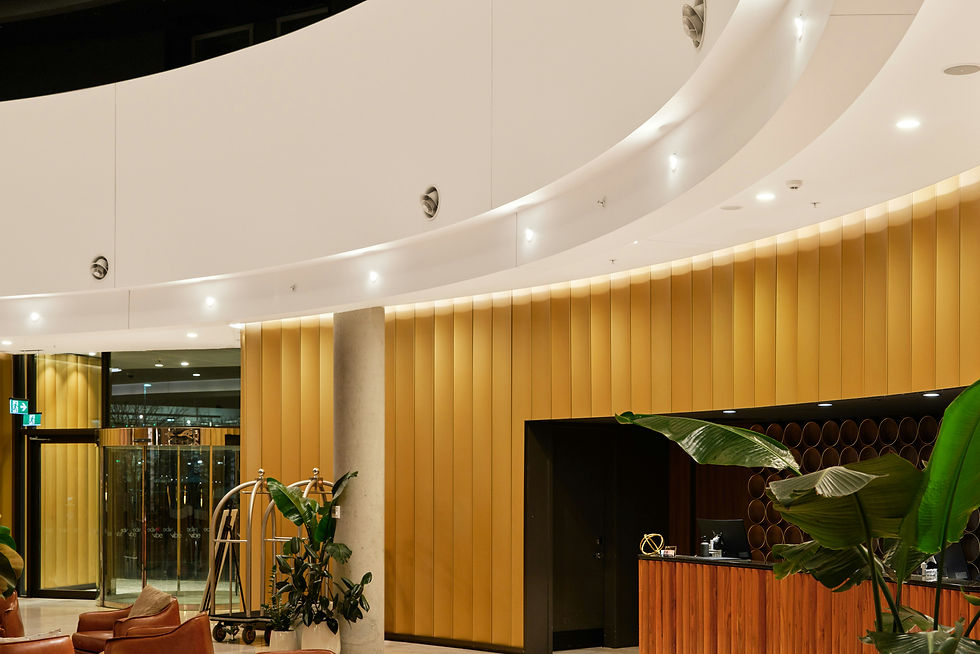
Maintaining music license compliance requires proactive operational management and transparent record-keeping. Licensing inspectors perform periodic audits across commercial districts, hotel dining corridors, and free-zone entertainment hubs to verify valid permits.
To ensure complete regulatory compliance, venue managers should strictly follow these core operational requirements (as of August 2026):
Display Valid Certification: Frame and prominently display your official UAE Public Performance Music License near your manager's office or venue reception desk.
Maintain Audio Equipment Logs: Keep a documented log of all sound systems, DJ equipment, streaming hardware, and third-party music provider contracts on site.
Separate Special Event Permits: Obtain dedicated temporary event licenses when hosting external ticketed concert performances or guest celebrity artist appearances.
Align License with Trade Classification: Ensure the music license category exactly matches your Dubai Department of Economy and Tourism (DET) or Free Zone trade license activities.
Prompt Annual Renewal: Submit renewal documentation at least 30 days prior to license expiration to avoid gap periods during commercial operation.
Penalties for Non-Compliance and Unlicensed Music Broadcasting
Operating a commercial venue with unlicensed background or live music carries significant legal and monetary risks under UAE regulations. Compliance enforcement has tightened significantly in 2026 as part of broader intellectual property protections.
Initial infractions typically trigger formal administrative warning notices and retroactively applied licensing tariffs with late compliance surcharges. Continued non-compliance can result in substantial administrative fines ranging from AED 10,000 up to AED 100,000 for repeated violations, alongside potential court-ordered cease-and-desist mandates prohibiting sound system operation (as of August 2026, indicative — verify with official enforcement authorities). For hospitality businesses dependent on music ambiance, audio shutdown represents severe reputational and financial damage.
Step-by-Step Process to Obtain Your UAE Music License in 2026
Securing your venue's public performance music permit is a straightforward digital process when approached systematically. Here is the operational roadmap for business managers in Dubai.
Step 1: Document Gathering & Space Audit
Compile your commercial trade license copy, venue floor layout plan showing exact square meterage, and detailed summary of audio sources (background streaming, live band stage, DJ booth).
Step 2: Portal Registration & Tariff Calculation
Submit your application through accredited licensing portals or Ministry-approved CMO platforms. The system calculates your annual fee based on certified area metrics, applying the AED 50,000 cap automatically where eligible.
Step 3: Payment & Certificate Issuance
Upon fee settlement, download your digital public performance music certificate. Keep digital copies stored in your business compliance repository alongside corporate tax and SME records.
FAQ
Do all restaurants and cafes in Dubai need a music license to play background music?
Yes. Under UAE Copyright Law, playing commercial background music—whether via streaming services, radio, or CDs—in a public commercial establishment requires a public performance license.
What is the maximum annual music licensing fee for a venue in the UAE in 2026?
The UAE Ministry of Economy has established an annual cap of AED 50,000 per venue establishment for standard public performance music licensing tariffs as of August 2026 (indicative — verify with official authorities).
Can I use a personal Spotify or Apple Music subscription in my commercial venue?
No. Personal consumer streaming accounts strictly prohibit commercial public performance. Venues must obtain a licensed commercial music service or direct public performance permit.
How often do venue music licenses need to be renewed in Dubai?
Music public performance licenses are issued on an annual basis and must be renewed alongside or prior to your commercial trade license renewal.
Useful Links
Ministry of Economy IP & Copyright Portal · Dubai Chamber of Commerce Business Licensing · UAE Official Government Portal · DIFC Official Portal · ADGM Commercial Licensing · Dubai Police Business Compliance
Pair It With

— Angel Tyagi, Creator of Angel In Dubai
Prices, timings and availability may change — always check directly with the venue before visiting. Not sponsored.
Rates and figures are indicative and were correct as of 14 August 2026; they change often, so verify with the provider before acting. This is general information, not financial advice.
Rules, fees and deadlines change often. This is a general summary, not legal advice — confirm with the relevant UAE authority before acting.
Photo by aranprime via unsplash, Photo by Neon Wang via unsplash


Comments