


UAE Carbon Capture Regulations and DFM Carbon Credits: The 2026 Industrial Decarbonization Guide
Standing beneath the cooling towers of an industrial park in Jebel Ali, you can hear the deep mechanical thrum of gas compressors running day and night. For years, the plume rising from factory stacks was treated simply as an inevitable byproduct of regional economic expansion, visible from the desert highway but largely ignored on balance sheets.
That era has closed. Walking through modern manufacturing hubs across Abu Dhabi and Dubai today, the conversations are dominated by carbon capture units, DFM offset auctions, and the strict reality of federal decarbonization quotas. The UAE is building an entire commercial ecosystem around capturing, pricing, and burying industrial carbon dioxide, and understanding the financial rules is now essential for every enterprise operating on the ground.
At a glance | Details |
|---|---|
2030 CCUS Target | 10 million tonnes CO2 annually |
Regional Market Size | AED 8.08 billion by 2028 |
DFM Credit Price | AED 40 to AED 95 per tonne |
Key Operating Plant | Al Reyadah Facility Abu Dhabi |
Reporting Threshold | 25,000 tonnes Scope 1 annually |
UAE Carbon Capture Targets: The 10 Million Tonne Net Zero Mandate
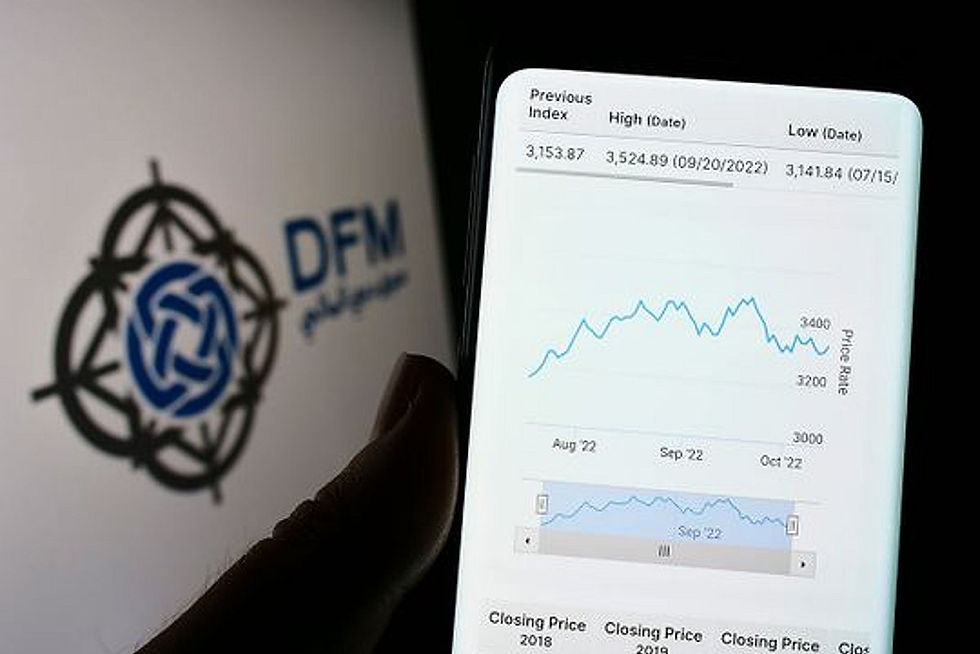
The UAE has set an uncompromising decarbonization target: capturing and storing at least 10 million tonnes of carbon dioxide annually by 2030 as part of its Net Zero 2050 charter. Across the industrial corridor spanning Jebel Ali, Mussafah, and Ruwais, heavy operators face mandatory emissions accounting frameworks that penalize unchecked flaring and smokestack venting. Federal legislation enacted ahead of 2026 mandates that facilities emitting over 25,000 tonnes of carbon dioxide equivalent per year must register auditable reduction roadmaps.
According to regulatory updates from the Ministry of Climate Change and Environment, industrial entities must now report verified Scope 1 and Scope 2 emissions annually. The policy shift transforms carbon management from voluntary corporate social responsibility into a rigorous compliance ledger backed by federal inspections. For cement producers, aluminum smelters, and chemical plants, carbon abatement is no longer an abstract talking point.
Official figures reported by the Emirates News Agency confirm the country aims to scale national carbon capture capacity to at least 10 million tonnes per year by 2030. This federal drive anchors an anticipated 2.2 billion dollar regional market for carbon capture, utilization, and storage infrastructure across the Gulf Cooperation Council.
Inside ADNOC CCUS Flagship Projects: Al Reyadah to Habshan
State energy major ADNOC accelerated its CCUS deployment strategy to capture over 4 million tonnes of carbon dioxide annually across upstream processing sites. The cornerstone remains the Al Reyadah facility in Abu Dhabi, operating since 2016 in partnership with Emirates Steel Arkan to capture 800,000 tonnes of industrial carbon dioxide annually from direct reduced iron production. Captured gas is compressed, dehydrated, and piped 43 kilometers to onshore oil reservoirs for enhanced oil recovery and permanent geologic sequestration.
At the Habshan gas processing complex, a separate 1.5 million tonne per annum carbon capture project represents one of the largest single industrial decarbonization facilities in the Middle East. Specialized amine absorption towers strip carbon dioxide from sour gas streams before high-pressure injection into subterranean carbonate formations. The engineering demonstrates that heavy manufacturing can decouple output growth from greenhouse emissions.
Visiting heavy industrial operators across the Emirates showed me that carbon capture has shifted from corporate ESG slide decks into active balance-sheet line items.
DFM Carbon Credit Trading: How UAE Voluntary Carbon Offsets Work
Financial markets in Dubai now provide a regulated liquidity pool for carbon credits, bridging heavy emitters and certified green generation projects. The market mechanism allows industrial companies unable to abate all emissions immediately to acquire verified carbon offsets and balance their annual compliance ledgers.
Trading Mechanics on Dubai Financial Market
Trading activity across the Dubai Financial Market platform enables institutional buyers to settle carbon credits directly alongside conventional equities and debt instruments. Each credit traded on the exchange represents one metric tonne of carbon dioxide equivalent verified by global certification registries such as Verra. Transactions execute through clearing members with instant digital custody settlement, eliminating the bilateral counterparty risks that previously hampered regional offset deals.
Pricing Dynamics and Institutional Liquidity
Carbon credits on DFM currently trade within a spread of AED 40 to AED 95 per tonne, reflecting variance in project vintage, geography, and removal quality. Nature-based credits from mangrove restoration in Abu Dhabi trade at a premium, while avoided-deforestation offsets clear at lower thresholds. Corporate treasuries use these listed credits to hedge future compliance obligations under emerging regional carbon pricing mechanisms.
Industrial Compliance Costs and MoIAT Decarbonization Mandates

Directives issued by the Ministry of Industry and Advanced Technology tie national industrial incentives directly to verifiable factory emissions reductions. Under the national In-Country Value score framework, manufacturers gain preferential procurement rankings by demonstrating third-party verified lower carbon intensities. Conversely, unmitigated emissions jeopardize access to government-backed industrial leases and subsidized utility brackets.
Guidance published on the UAE Government Portal outlines national green taxonomy guidelines and reporting obligations for commercial producers. To retain tariff subsidies, factory managers must navigate three distinct cost categories across their operational footprints:
Scope 1 monitoring sensors and continuous emissions monitoring systems costing AED 120,000 to AED 300,000 per facility stack
Third-party emissions verification and accredited ISO 14064 greenhouse gas inventory audits running AED 45,000 to AED 85,000 per year
Capital equipment expenditure for solvent absorption units and flue gas scrubbers starting from AED 15 million for mid-tier factories
Comparing UAE Carbon Abatement Options for Manufacturers
Factory operators in Dubai and Abu Dhabi cannot rely on a single technology to meet tightening green standards. Balancing immediate capital expenditure against long-term payback dictates whether an industrial facility installs physical carbon capture units, wheels clean electricity, or retrofits mechanical equipment.
Industrial customers working alongside DEWA can combine rooftop clean power with utility tariff credits to trim base energy outlays. The financial trade-offs between physical capture, clean utility wheeling, and building envelope retrofits highlight distinct operational profiles:
Pathway | Capital Cost | Payback |
|---|---|---|
Onsite CCUS | AED 40M to 150M | Seven to ten years |
Solar Wheeling | AED 12M to 35M | Four to six years |
DEWA Retrofits | AED 1.5M to 5M | Two to three years |
Buying offsets on DFM helps near-term reporting, but long-term industrial export viability requires physical abatement at the smokestack.
How UAE Manufacturers Can Prepare for Carbon Audits in 2026
Preparing an industrial operation for strict federal carbon accounting requires systematic adjustments across engineering, procurement, and accounting departments. Factory leadership should avoid last-minute rush compliance by executing a clear preparation sequence:
Conduct an internal baseline audit to categorize all direct fuel combustion and electricity consumption records over the past twenty-four months
Appoint an accredited third-party verification body licensed by the ministry to certify facility emissions boundary definitions
Establish a corporate trading account on DFM or regional brokerages to hedge remaining residual emissions against budget allocations
Submit the finalized emissions disclosure dossier via the federal environmental reporting portal before annual inspection cutoffs
FAQ
Can small private businesses trade carbon credits on the Dubai Financial Market?
Direct DFM carbon trading access requires institutional membership or trading through certified brokerages licensed by the Securities and Commodities Authority. Smaller enterprises can purchase tokenized credits through affiliated regional registries or partner with tier-one investment houses that aggregate secondary trades.
What is the penalty for UAE factories failing to meet industrial emissions quotas?
Federal environmental regulations introduce tiered administrative penalties ranging from AED 50,000 up to AED 1,000,000 for unverified industrial emissions reports. Facilities failing consecutive environmental audits risk suspension of their commercial operating licenses and exclusion from government procurement tenders.
How does the UAE ensure carbon credits traded in Dubai are not double-counted?
The DFM platform synchronizes settlements directly against international carbon registries including Verra and Gold Standard using unique serial identifiers. When an offset is bought for compliance retirement, its global serial is permanently cancelled on the underlying registry within twenty-four hours.
Are carbon capture capital expenditures eligible for UAE green financing rates?
Major UAE commercial banks including First Abu Dhabi Bank and Emirates NBD offer subsidized sustainability-linked loan spreads for CCUS projects. Certified industrial retrofits can secure interest discounts of 25 to 50 basis points below standard commercial borrowing benchmarks.
Useful Links
Ministry of Climate Change and Environment — Federal environmental compliance regulations and quotas
Emirates News Agency — National carbon capture capacity reports
Dubai Financial Market — Institutional carbon credit trading platform rules
Ministry of Industry and Advanced Technology — Industrial decarbonization standards and green incentives
UAE Government Portal — Federal environmental compliance guidelines and resources
DEWA — Clean power tariffs and retrofit programs
Pair It With

— Angel Tyagi, Creator of Angel In Dubai
Prices, timings and availability may change — always check directly with the venue before visiting. Not sponsored.
Story lead: khaleejtimes.com. Reporting can be updated or withdrawn after publication — always check the original before relying on anything here.
Rates and figures are indicative and were correct as of 4 October 2026; they change often, so verify with the provider before acting. This is general information, not financial advice.
Rules, fees and deadlines change often. This is a general summary, not legal advice — confirm with the relevant UAE authority before acting.
Photo by MEED | Adnoc makes full acquisition of carbon firm Al-Reyadah via web, Photo by Dubai Financial Market is getting into ‘carbon credit’ trading via web, Photo by web via web


Comments